



Sand blasting is one of the most reliable methods for cleaning and preparing metal surfaces, but if the process is not controlled properly, it can lead to surface defects that affect the final coating, strength, and overall product quality. These defects are usually caused by incorrect blasting techniques, improper abrasive selection, poor machine maintenance, or untrained operators.
At Aerowheel Surface Finishing, we focus on helping industries understand these defects and avoid them through the right equipment design, standards, and operating practices. Below are the most common sand blasting defects and how you can prevent them.
1. Uneven Surface Profile
What it is:
The surface becomes rougher in some areas and smoother in others, causing inconsistent coating adhesion.
Causes:
- Incorrect blasting angle
- Irregular movement pattern
- Worn-out nozzle
- Wrong abrasive size
How to avoid it:
- Maintain a consistent 45–60° blast angle
- Move the nozzle evenly across the surface
- Replace worn nozzles regularly
- Match abrasive size to the required surface profile
Result: Uniform surface anchor pattern and better coating performance.
2. Embedded Abrasive Particles
What it is:
Abrasive grains get stuck inside the metal surface and affect coating or welding quality.
Causes:
- Excessive air pressure
- Soft base metals
- Using aggressive abrasives on delicate workpieces
How to avoid it:
- Reduce blasting pressure based on material
- Use glass beads or garnet for soft metals
- Check pressure levels before blasting
Result: Clean metal surface without contamination.
3. Over-Blasting (Excessively Rough Surface)
What it is:
Too much abrasive impact creates a very rough surface, leading to high coating consumption and poor aesthetics.
Causes:
- Very large abrasive size
- High pressure
- Longer exposure on a single spot
How to avoid it:
- Choose abrasive size according to coating type
- Avoid staying in one area for too long
- Follow surface profile standards like SA 2.5
Result: Correct surface profile with optimal coating thickness.
4. Under-Blasting (Incomplete Cleaning)
What it is:
Surface still contains rust, paint, scale, or oil, resulting in coating failure later.
Causes:
- Low blasting pressure
- Incorrect nozzle distance
- Contaminated abrasive
- Poor visibility due to dust
How to avoid it:
- Maintain 80–110 PSI pressure
- Keep 200–300 mm distance
- Use clean, recycled abrasive
- Ensure proper dust extraction
Result: Properly cleaned metal ready for coating.
5. Shadowing Defect
What it is:
Areas behind corners, edges, or weld joints remain unclean because abrasive cannot reach them.
Causes:
- Blast angle not suitable
- Complex workpiece geometry
- Low nozzle flexibility
How to avoid it:
- Use multiple blasting angles
- Rotate the workpiece during blasting
- Use smaller nozzles for tight areas
Result: Clean edges, corners, and weld joints.
6. Surface Contamination After Blasting
What it is:
Contamination like oil, moisture, or dust settles back on the surface, causing poor adhesion.
Causes:
- Improper handling after blasting
- Dust collector malfunction
- Poor cleaning procedure
How to avoid it:
- Blow surface with clean air after blasting
- Use an efficient dust collector system
- Avoid touching surfaces with oily gloves
Result: Fresh, clean surface ready for coating immediately.
Safety Guidelines for Operating Portable Sand Blasting Machines
Role of Sand Blasting in Automotive Component Manufacturing
How We Installed a Custom Blast Room in Jodhpur
7. Peening Instead of Cleaning
What it is:
Surface gets compacted rather than cleaned, especially when spherical media are used incorrectly.
Causes:
- Using steel shot instead of grit
- Incorrect machine settings
- Wrong abrasive choice for rust removal
How to avoid it:
- Use steel grit for rust and paint removal
- Maintain the correct wheel speed or air pressure
- Match abrasive to application
Result: Proper cleaning without compressing surface.
8. Flash Rusting After Blasting
What it is:
Rust forms again on freshly blasted steel due to humidity or moisture exposure.
Causes:
- High humidity inside blast room
- Delay between blasting and coating
- Moisture in compressed air
How to avoid it:
- Keep humidity below 60%
- Apply coating immediately after blasting
- Use air dryers and moisture separators
Result: Long-lasting rust-free surface.
9. Equipment-Based Defects
These are caused by a poorly maintained blasting system.
Examples:
- Low abrasive flow due to clogged valves
- Inconsistent pressure
- Worn nozzles affecting blast pattern
Solution:
- Maintain preventive maintenance schedules
- Regularly inspect blast wheel, hoses, and separator
- Clean dust collector filters
Result: Stable blasting performance throughout shifts.
How Aerowheel Surface Finishing Helps You Avoid Defects
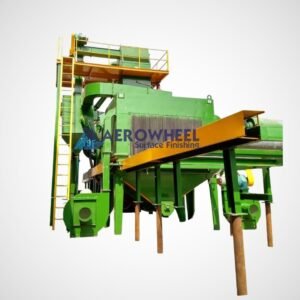
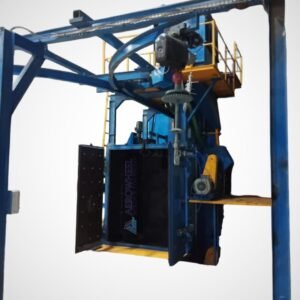
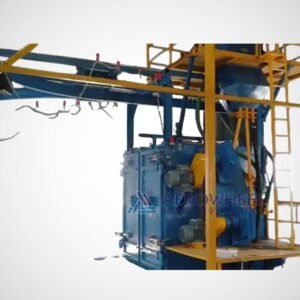
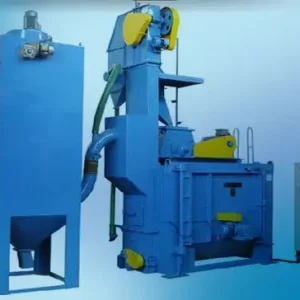
At Aerowheel Surface Finishing, our sand blasting machines and blast rooms are engineered to prevent common defects through better design and automation:
- Balanced abrasive flow control
- High-efficiency dust collectors
- Wear-resistant chamber lining
- Full floor abrasive recovery
- Precision nozzles and control systems
- Operator training and guidelines
- Maintenance contracts for long-term reliability
Our systems ensure you achieve consistent surface results, reduce rework costs, and improve overall finishing quality.
Conclusion
Most sand blasting defects are avoidable with the right setup, technique, and maintenance. By following standard blasting parameters, selecting the right abrasive, and training operators, industries can achieve clean, uniform surfaces ready for durable coating.
Investing in a well-designed blasting system from Aerowheel Surface Finishing ensures fewer defects, higher productivity, and maximum return on investment.