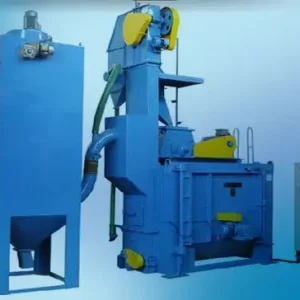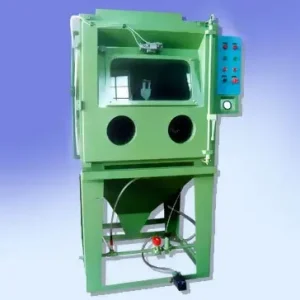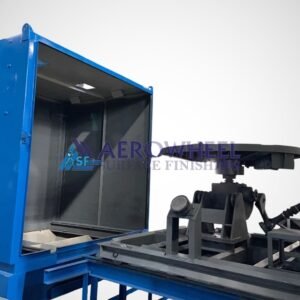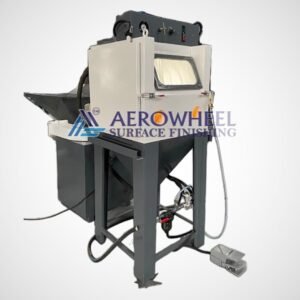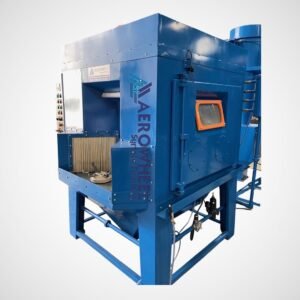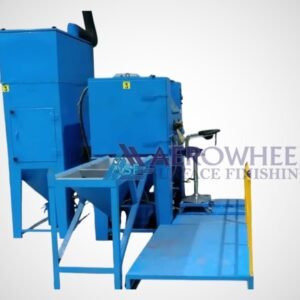




Investing in industrial blasting equipment is a major decision for any manufacturing business. Whether you’re involved in steel fabrication, automotive manufacturing, heavy engineering, railway components, foundries, oil & gas, or construction equipment, the right blasting machine can significantly improve production efficiency, surface quality, and long-term profitability.
However, many buyers make the mistake of selecting a machine based only on price. While the initial investment is important, factors such as machine quality, production capacity, operating costs, automation, and after-sales support play a much bigger role in determining the machine’s overall value.
This guide explains the most important factors you should evaluate before purchasing industrial blasting equipment.
At Aerowheel Surface Finishing, we help manufacturers choose customized blasting solutions that match their production requirements and deliver reliable performance for years.
Why Choosing the Right Blasting Equipment Matters
Industrial blasting equipment is used to remove:
- Rust
- Mill scale
- Welding slag
- Old paint
- Oxidation
- Surface contaminants
It also creates the ideal surface profile for:
- Painting
- Powder coating
- Galvanizing
- Metal spraying
- Protective coatings
Choosing the right machine improves:
- Product quality
- Coating adhesion
- Production speed
- Corrosion resistance
- Equipment lifespan
- Operating efficiency
1. Identify Your Application
The first step is understanding exactly how the machine will be used.
Ask yourself:
- What type of components will be processed?
- Are you removing rust or preparing surfaces before painting?
- Do you need cleaning, descaling, or shot peening?
- Is the machine for continuous production or occasional use?
Different applications require different blasting systems.
2. Consider the Size of Components
Component size determines which type of blasting machine is most suitable.
Small Components
Ideal machines include:
- Abrasive Blast Cabinets
- Wet Blast Cabinets
Applications:
- Precision parts
- Valves
- Small castings
- Tools
Medium Components
Suitable equipment includes:
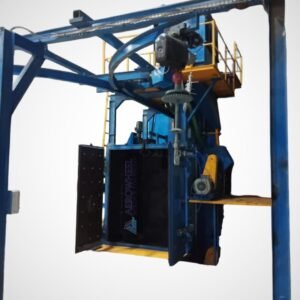
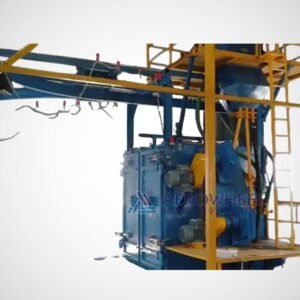
- Hanger Type Shot Blasting Machines
Applications:
- Automotive components
- Brake drums
- Forgings
- Engine parts
Large Components
Recommended machines include:
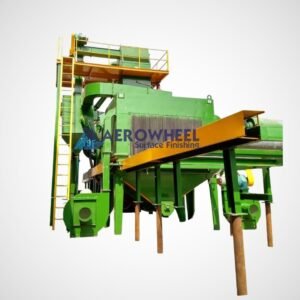
- Roller Conveyor Shot Blasting Machines
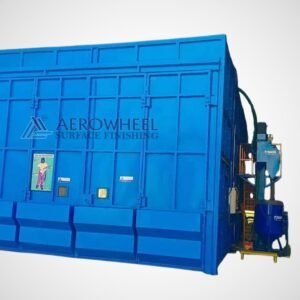
- Blast Room Systems
Applications:
- Structural steel
- Pressure vessels
- Steel plates
- Heavy fabricated structures
Selecting the correct machine size improves both productivity and operating efficiency.
3. Evaluate Production Capacity
Production volume directly affects machine selection.
Low Production
Manual or compact blasting systems may be sufficient.
Medium Production
Semi-automatic systems offer a good balance between investment and productivity.
High Production
Fully automated blasting machines with conveyor systems and PLC controls provide maximum efficiency.
Always choose equipment that can support future production growth.
4. Check Machine Construction Quality
Industrial blasting machines operate under demanding conditions.
Look for machines built with:
- Heavy-duty steel construction
- Wear-resistant liners
- Durable blast wheels
- High-quality bearings
- Industrial-grade motors
Better construction increases machine life while reducing maintenance costs.
5. Understand the Blasting Technology
Different blasting technologies are designed for different applications.
Airless Shot Blasting
Best for:
- Steel fabrication
- Structural components
- Mass production
Air Blasting
Suitable for:
- Precision cleaning
- Complex geometries
- Smaller components
Choosing the correct blasting technology ensures better cleaning performance and lower operating costs.
6. Look for Automation Features
Modern blasting equipment should include advanced automation.
Useful features include:
- PLC control systems
- Touchscreen HMI
- Automatic abrasive recovery
- Conveyor integration
- Digital production monitoring
- Fault diagnostics
Automation improves productivity while reducing manual intervention.
7. Evaluate Abrasive Recovery System
Abrasive media represents a significant operating expense.
Efficient recovery systems:
- Recycle reusable abrasive
- Remove dust
- Separate contaminants
- Reduce media consumption
A good recovery system lowers operating costs over the machine’s lifetime.
What Is Shot Peening and How Is It Different from Shot Blasting?
Shot Blasting Machine Maintenance and Troubleshooting: Tips from Indian Manufacturers
Benefits of Using Shot Blasting for Tyre Mould Cleaning
8. Check Dust Collection Performance
Surface preparation generates dust that affects both safety and machine performance.
A quality blasting system should include:
- High-efficiency dust collectors
- Cartridge filters
- Automatic filter cleaning
- Proper airflow management
Effective dust collection improves operator safety and helps maintain a cleaner working environment.
9. Consider Energy Efficiency
Electricity is a major operating cost for industrial equipment.
Choose machines with:
- Energy-efficient motors
- Variable Frequency Drives (VFDs)
- Optimized blast wheel design
- Intelligent power management
Energy-efficient machines reduce long-term operating expenses.
10. Verify Maintenance Requirements
Before purchasing, ask about:
- Wear part replacement intervals
- Spare parts availability
- Maintenance procedures
- Service accessibility
Machines designed for easy maintenance reduce downtime and improve productivity.
11. Assess Safety Features
Operator safety should never be overlooked.
Look for:
- Emergency stop systems
- Safety interlocks
- Protective guarding
- Dust containment
- Noise reduction features
Modern safety systems help create a safer workplace while ensuring regulatory compliance.
12. Evaluate After-Sales Support
Even the best equipment requires technical support.
Choose a manufacturer that provides:
- Installation assistance
- Operator training
- Spare parts availability
- Preventive maintenance
- Technical support
- Fast service response
Reliable after-sales support minimizes production interruptions.
13. Consider Future Expansion
Your production requirements may increase over time.
Select equipment that can be upgraded with:
- Conveyor systems
- Automation features
- PLC enhancements
- Higher production capacity
Scalable equipment protects your long-term investment.
14. Compare Total Cost of Ownership
Many buyers focus only on the purchase price.
Instead, compare:
- Machine lifespan
- Energy consumption
- Labour requirements
- Maintenance costs
- Abrasive consumption
- Production output
- Downtime
- Spare parts costs
A machine with a higher purchase price may offer lower operating costs and a better return on investment.
Questions to Ask Before Buying
Before finalizing your purchase, ask the manufacturer:
- Which industries use this machine?
- What production capacity can it handle?
- Can it be customized?
- What automation features are available?
- How efficient is the abrasive recovery system?
- What maintenance is required?
- Are spare parts readily available?
- What warranty and after-sales support are included?
These questions will help you make a well-informed decision.
Why Choose Aerowheel Surface Finishing?
At Aerowheel Surface Finishing, we manufacture advanced industrial blasting equipment designed for modern manufacturing industries.
Our product range includes:
- Airless Shot Blasting Machines
- Roller Conveyor Shot Blasting Machines
- Hanger Type Shot Blasting Machines
- Blast Room Systems
- Abrasive Blast Cabinets
- Wet Blast Cabinets
- Shot Peening Machines
- Paint Spray Booths
Why Customers Trust Us
- Customized machine solutions
- Precision engineering
- Automation-ready equipment
- Energy-efficient designs
- Durable industrial construction
- Reliable after-sales support
- Industry-specific expertise
Our experienced team works closely with customers to recommend the most suitable blasting solution based on their production needs and budget.
Final Thoughts
Buying industrial blasting equipment is a long-term investment that directly affects product quality, production efficiency, and operating costs. Instead of focusing only on the purchase price, evaluate factors such as machine quality, production capacity, automation, energy efficiency, maintenance requirements, and after-sales support.
The right blasting machine will not only improve surface preparation but also increase productivity, reduce downtime, and provide excellent value for years to come.
If you’re planning to invest in industrial blasting equipment, Aerowheel Surface Finishing offers customized, high-performance solutions designed to meet the evolving needs of modern manufacturing industries.
Frequently Asked Questions (FAQs)
1. What should I check before buying an industrial blasting machine?
You should evaluate the machine’s application, production capacity, component size compatibility, construction quality, automation features, abrasive recovery system, energy efficiency, maintenance requirements, and after-sales support.
2. Which blasting machine is best for large steel structures?
Roller Conveyor Shot Blasting Machines and Blast Room Systems are commonly used for processing structural steel, fabricated assemblies, and other large industrial components.
3. Why is abrasive recovery important?
An efficient abrasive recovery system recycles reusable media, reduces abrasive consumption, lowers operating costs, and ensures consistent blasting performance.
4. Is automation important in blasting equipment?
Yes. PLC controls, touchscreen HMIs, automated conveyors, and predictive maintenance features improve productivity, consistency, and overall operational efficiency.
5. Why should I choose a reliable blasting machine manufacturer?
A trusted manufacturer provides quality equipment, customization options, installation support, operator training, genuine spare parts, and dependable after-sales service, ensuring long-term machine performance.