



Surface preparation is one of the most important steps in industrial manufacturing. Whether you’re painting structural steel, coating automotive components, manufacturing heavy machinery, or fabricating industrial equipment, the quality of surface preparation directly impacts coating adhesion, corrosion resistance, and product durability.
However, many manufacturers focus only on the initial cost of surface preparation rather than evaluating its long-term value. While some methods appear inexpensive at first, they often require more labour, produce inconsistent results, or lead to higher maintenance costs over time.
This article compares the most common surface preparation methods, their costs, advantages, and ideal applications to help manufacturers choose the most cost-effective solution.
At Aerowheel Surface Finishing, we provide advanced surface preparation equipment that delivers high productivity, excellent surface quality, and long-term cost savings.
Why Surface Preparation Cost Matters
Choosing the right surface preparation method affects:
- Production efficiency
- Labour costs
- Coating quality
- Equipment lifespan
- Maintenance expenses
- Product rejection rates
- Overall manufacturing costs
The cheapest method isn’t always the most economical when long-term operating costs are considered.
Common Surface Preparation Methods
The most widely used industrial surface preparation methods include:
- Manual Cleaning
- Mechanical Grinding
- Abrasive Blasting
- Shot Blasting
- Wet Blasting
- Chemical Cleaning
Each method has different investment costs, operating expenses, and productivity levels.
1. Manual Cleaning
Manual cleaning involves using wire brushes, scrapers, sandpaper, or handheld tools to remove rust and surface contaminants.
Initial Cost
Very Low
Operating Cost
High due to labour requirements.
Advantages
- Low equipment investment
- Suitable for small repair jobs
- Simple to perform
Limitations
- Slow process
- Inconsistent results
- High labour dependency
- Not suitable for large-scale production
Best For
- Small maintenance work
- Minor rust removal
- Low-volume production
2. Mechanical Grinding
Grinding uses power tools with abrasive wheels or discs to clean metal surfaces.
Initial Cost
Low to Medium
Operating Cost
Medium
Advantages
- Faster than manual cleaning
- Removes weld slag effectively
- Suitable for localized surface preparation
Limitations
- Labour-intensive
- Limited productivity
- Difficult to achieve uniform surface profiles
Best For
- Weld preparation
- Small fabricated components
- Repair work
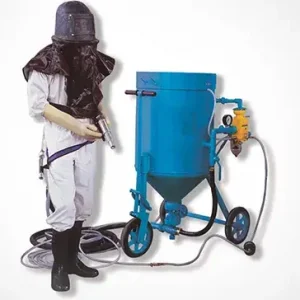
3. Abrasive Blasting
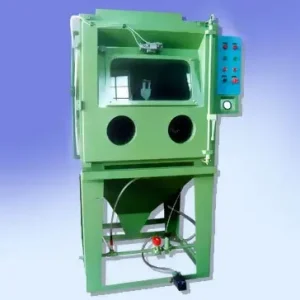
Abrasive blasting uses compressed air to propel abrasive media onto the surface.
Initial Cost
Medium
Operating Cost
Medium
Advantages
- Excellent cleaning quality
- Suitable for complex shapes
- Good coating adhesion
- Flexible operation
Limitations
- Higher abrasive consumption
- Requires dust collection systems
- Slower than automated shot blasting for high-volume production
Best For
- Precision components
- Maintenance applications
- Fabricated parts
4. Shot Blasting
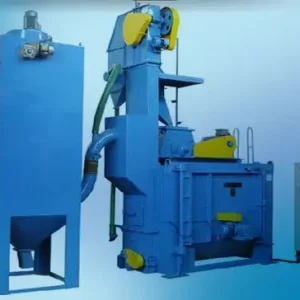
Shot blasting uses centrifugal blast wheels to propel steel shots at high speed for cleaning and surface preparation.
Initial Cost
Higher than manual methods
Operating Cost
Low over the long term
Advantages
- High production speed
- Excellent cleaning consistency
- Lower labour costs
- Improved coating adhesion
- Long equipment life
- High abrasive recovery efficiency
Limitations
- Higher initial investment
- Requires adequate installation space
Best For
- Steel fabrication
- Automotive components
- Railway parts
- Heavy engineering
- Structural steel
- Mass production
For medium and large manufacturing facilities, shot blasting often offers the lowest cost per component over the machine’s lifetime.
5. Wet Blasting
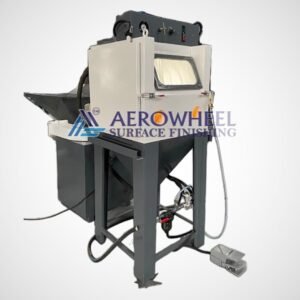
Wet blasting combines abrasive media with water to reduce dust while producing a smoother surface finish.
Initial Cost
Medium to High
Operating Cost
Medium
Advantages
- Minimal dust generation
- Smooth surface finish
- Gentle cleaning
- Better operator safety
Limitations
- Slower than dry shot blasting
- Water treatment may be required
Best For
- Aluminium components
- Stainless steel
- Aerospace
- Medical equipment
- Decorative products
6. Chemical Cleaning
Chemical cleaning removes contaminants using acids or alkaline solutions.
Initial Cost
Medium
Operating Cost
Medium to High
Top Considerations Before Buying a Paint Spray Booth or Oven
Key Components of an Industrial Paint Spray Booth
Top 7 Reasons Why Shot Blasting Machines are Essential for Your Business
Advantages
- Effective oil removal
- Suitable for specific industrial processes
Limitations
- Chemical handling requirements
- Waste disposal costs
- Environmental regulations
- Limited rust removal capability
Best For
- Degreasing
- Pre-treatment before blasting
- Specialized manufacturing processes
Comparison of Surface Preparation Methods
| Method | Initial Investment | Operating Cost | Production Speed | Surface Quality | Best For |
|---|---|---|---|---|---|
| Manual Cleaning | Low | High | Low | Fair | Small repairs |
| Mechanical Grinding | Low-Medium | Medium | Medium | Good | Weld cleaning |
| Abrasive Blasting | Medium | Medium | Medium | Excellent | Precision parts |
| Shot Blasting | Medium-High | Low | Very High | Excellent | Mass production |
| Wet Blasting | Medium-High | Medium | Medium | Excellent | Delicate components |
| Chemical Cleaning | Medium | Medium-High | Medium | Good | Degreasing |
Long-Term Cost Considerations
Many manufacturers only compare equipment prices.
Instead, evaluate:
Labour Costs
Automated blasting systems require significantly fewer operators than manual cleaning methods.
Production Output
Higher productivity reduces the cost per component.
Maintenance Costs
Durable industrial equipment requires less maintenance over time.
Abrasive Consumption
Machines with abrasive recovery systems reduce media costs significantly.
Coating Performance
Better surface preparation improves coating life and reduces repainting expenses.
Product Rejection
Consistent surface quality lowers rejection rates and improves customer satisfaction.
Why Shot Blasting Offers the Best Long-Term Value
Although shot blasting machines require a higher initial investment, they typically provide the best return over time.
Key advantages include:
- High production capacity
- Excellent surface preparation
- Reduced labour costs
- Improved coating adhesion
- Lower maintenance expenses
- Consistent product quality
- Reduced abrasive wastage
- Longer equipment lifespan
For manufacturers processing large production volumes, shot blasting is often the most economical solution.
Choosing the Right Surface Preparation Method
Before selecting a process, consider:
- Material type
- Component size
- Production volume
- Surface finish requirements
- Coating specifications
- Factory layout
- Environmental regulations
- Long-term operating costs
Choosing equipment based only on purchase price can lead to higher operating expenses in the future.
Why Choose Aerowheel Surface Finishing?
At Aerowheel Surface Finishing, we provide complete surface preparation solutions for modern manufacturing industries.
Our product range includes:
- Airless Shot Blasting Machines
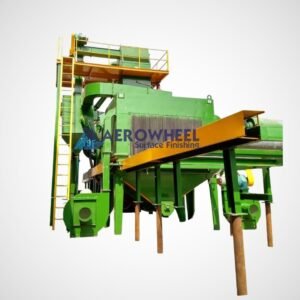
- Roller Conveyor Shot Blasting Machines
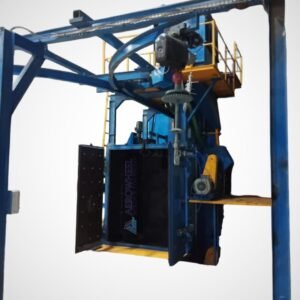
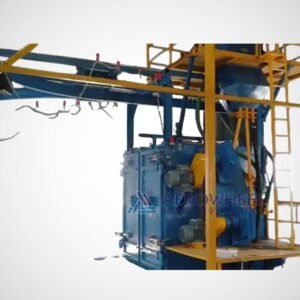
- Hanger Type Shot Blasting Machines
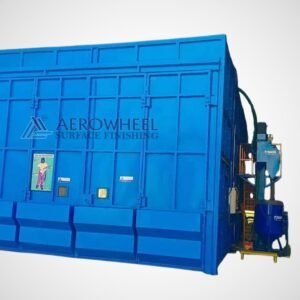
- Blast Room Systems
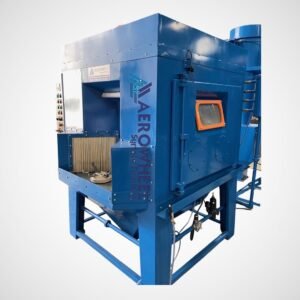
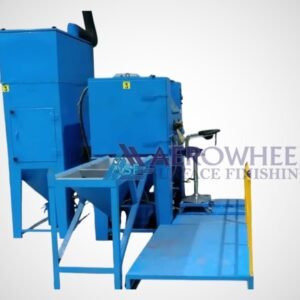
- Abrasive Blast Cabinets
- Wet Blast Cabinets
- Paint Spray Booths
- Shot Peening Machines
- Roll Etching Machines
Why Manufacturers Choose Us
- Customized machine solutions
- High production efficiency
- Precision engineering
- Energy-efficient operation
- Durable industrial construction
- Reliable after-sales support
- Industry-specific expertise
We help manufacturers reduce operating costs while improving product quality and production efficiency.
Final Thoughts
Every surface preparation method has its advantages, but the most cost-effective solution depends on your production requirements. Manual cleaning and grinding may be suitable for small jobs, while abrasive blasting is ideal for precision work. However, for medium and large-scale manufacturing, shot blasting machines provide the best balance of productivity, consistency, and long-term cost savings.
Instead of focusing only on the initial investment, manufacturers should evaluate total ownership costs, including labour, maintenance, production speed, abrasive consumption, and coating performance. Making the right choice today can significantly improve operational efficiency and profitability for years to come.
If you’re looking for reliable and cost-effective surface preparation equipment, Aerowheel Surface Finishing offers customized solutions designed to meet the needs of modern industrial manufacturing.
Frequently Asked Questions (FAQs)
1. Which surface preparation method is the most economical?
For high-volume industrial manufacturing, shot blasting is generally the most cost-effective option because it offers faster production, lower labour costs, and excellent surface consistency.
2. Is manual cleaning suitable for industrial production?
Manual cleaning is useful for small repair or maintenance jobs, but it is not efficient for large-scale production due to its slow speed and high labour requirements.
3. What is the advantage of shot blasting over abrasive blasting?
Shot blasting provides higher productivity, automated operation, better abrasive recovery, and lower operating costs for mass production, while abrasive blasting is more suitable for precision work and complex-shaped components.
4. Does better surface preparation reduce coating costs?
Yes. Proper surface preparation improves coating adhesion, extends coating life, reduces repainting, and minimizes maintenance costs over time.
5. How do I choose the right surface preparation method?
The best method depends on your material type, component size, production volume, required surface finish, budget, and long-term operating goals.