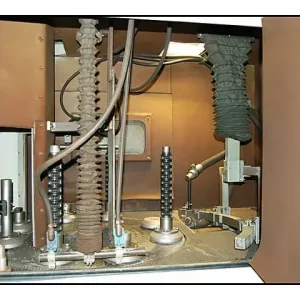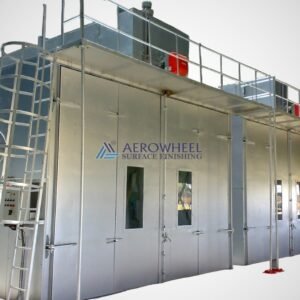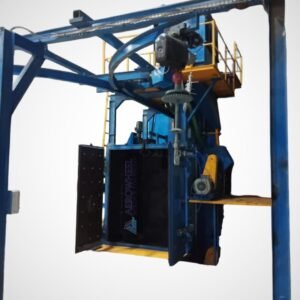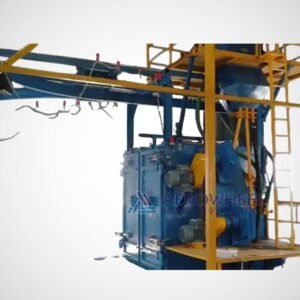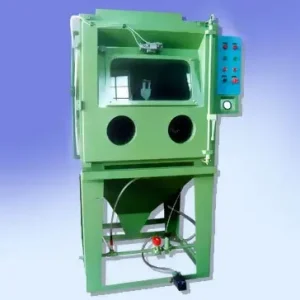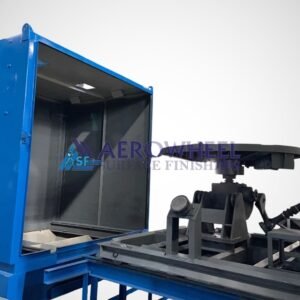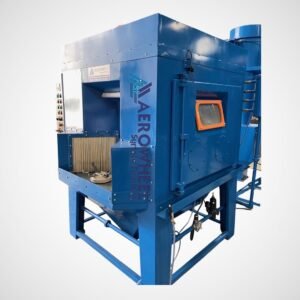




Shot blasting is a powerful industrial process used to clean, polish, or prepare metal surfaces. While it delivers exceptional results, it also involves high-speed abrasives, dust generation, noise, and heavy equipment, which can pose serious risks if not managed correctly. Ensuring operator safety and a hazard-free work environment is essential in every blasting operation.
At Aerowheel Surface Finishing, we believe safety starts with proper equipment design, correct usage practices, and continuous awareness. Here are the key safety precautions to follow during shot blasting operations.
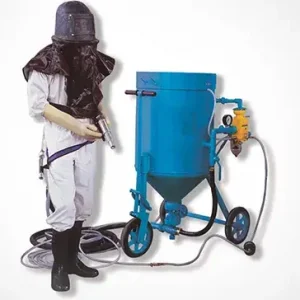
1. Always Wear Proper Personal Protective Equipment (PPE)
Safety begins with the right protective gear. Operators must be fully equipped with PPE designed for abrasive blasting environments.
Essential PPE includes:
- Blast helmet with fresh air supply
- Protective blasting suit and gloves
- Safety goggles or face shield
- Hearing protection (earmuffs or earplugs)
- Steel-toe boots
- Respiratory protection (air-fed respirator or mask)
- Cut-resistant arm and leg guards
PPE protects operators from abrasive rebound, metal particles, dust inhalation, and high noise levels.
2. Ensure Proper Ventilation and Dust Extraction
Shot blasting generates fine dust and airborne contaminants that can reduce visibility and cause respiratory hazards. Every blasting area must have an efficient dust collector and ventilation system.
Best practices:
- Use industrial dust collectors with high filtration efficiency
- Maintain airflow direction for clean breathing air
- Ensure all ducts and filters are clean and working
- Monitor dust concentration during operations
Clean air improves visibility, reduces exposure risks, and ensures compliance with industrial safety standards.
3. Inspect Equipment Before Use
Operating worn-out or damaged blasting equipment can lead to dangerous failures.
Checklist before blasting:
- Inspect hoses and nozzles for cracks or wear
- Ensure valves and regulators are working properly
- Check air compressor pressure levels
- Test emergency shut-off switches
- Verify helmet airflow
Routine inspections prevent unexpected breakdowns and ensure consistent blasting pressure.
4. Maintain Safe Operating Distance and Angle
Operators should maintain a safe distance from the blasting surface and keep the nozzle angle correct.
Wrong distance or angle increases abrasive rebound and can cause injury.
General guidelines:
- Maintain 200–300 mm nozzle distance
- Use 45–60° blasting angle depending on the surface
- Avoid pointing the nozzle at other operators
Proper technique reduces dust generation and ensures efficient surface cleaning.
5. Control Noise Levels and Hearing Damage
Shot blasting areas have high noise levels, often above acceptable limits.
Continuous exposure may lead to hearing loss.
Safety measures:
- Use acoustic panels or wall padding
- Wear ear protection throughout the shift
- Limit exposure time for operators
Noise reduction improves concentration and reduces fatigue.
6. Follow Lockout and Shutdown Procedures
Maintenance and cleaning must only be performed after the system is safely shut down.
Sand Blasting Machine: Applications and Benefits
How to Maintain a Shot Blasting Machine for Long-Term Use
How Often Should You Replace the Abrasive Media?
Lockout procedures:
- Turn off the blasting machine and compressor
- Release pressure from lines
- Disconnect power supply
- Follow manufacturer’s safety steps
Skipping lockout procedures can cause accidental blasting and result in injury.
7. Avoid Using Banned Materials and Unsafe Abrasives
Industries must avoid using silica sand or other banned abrasives that release harmful dust.
Recommended abrasives include:
- Steel grit and steel shot
- Garnet
- Aluminum oxide
- Glass beads
Using safe abrasives reduces health risks and improves blasting efficiency.
8. Keep the Work Area Clean and Organized
A cluttered blasting area increases the risk of slips, trips, and equipment damage.
Good practices:
- Remove old abrasives and waste regularly
- Store hoses and PPE properly
- Ensure floors are dry and non-slippery
- Use warning signs and restricted zones
Clean workspace ensures smooth workflow and better safety.
9. Train Operators Regularly
Safety training is crucial for every operator.
Training should cover:
- Equipment handling and blasting techniques
- PPE usage and maintenance
- Emergency procedures
- Material handling safety
- Hazard identification
Continuous training ensures operators know how to avoid risks and respond quickly in emergencies.
10. Follow National and Industrial Safety Standards
Every blasting operation should follow Indian safety regulations and international guidelines such as:
- Factories Act
- OHSAS and ISO safety standards
- Pollution control norms
- BIS guidelines
Compliance ensures legal safety, reduces penalties, and promotes a safer work culture.
Conclusion
Shot blasting can be safe, efficient, and reliable when the right precautions are taken. From using proper PPE to maintaining the equipment and controlling dust, every step plays an important role in protecting operators and ensuring quality results.
At Aerowheel Surface Finishing, we design shot blasting systems with operator safety as the top priority, integrating dust collectors, soundproofing, efficient airflow, and ergonomic design to minimize risks and boost productivity.
If you want guidance on creating a safety checklist or training your operators, our team can help you implement best practices tailored to your industry.