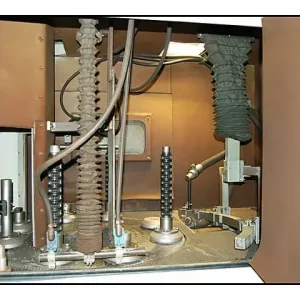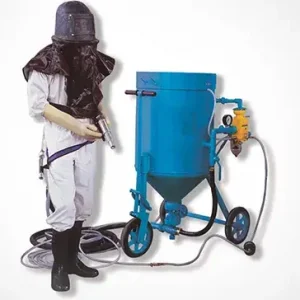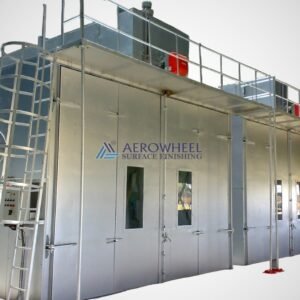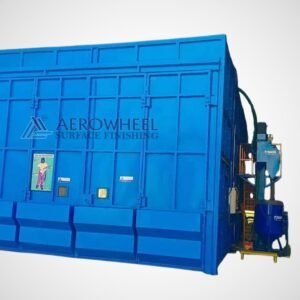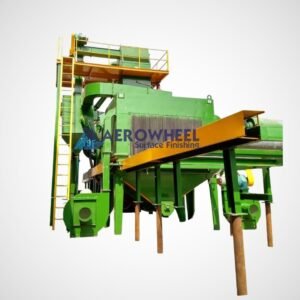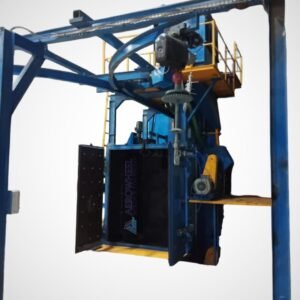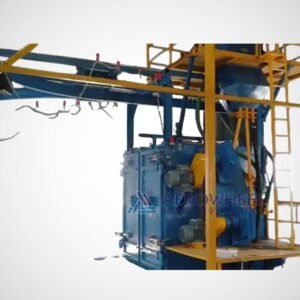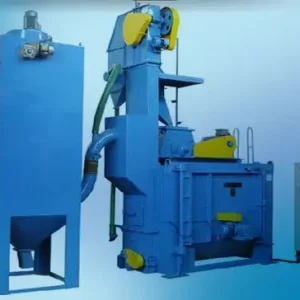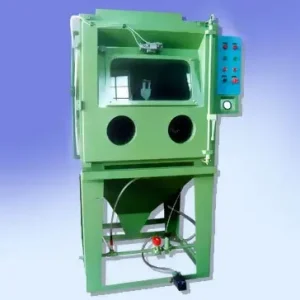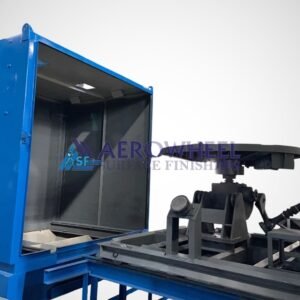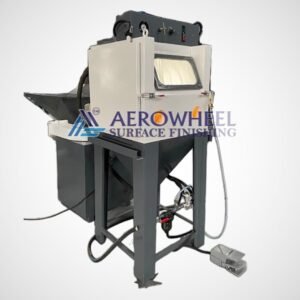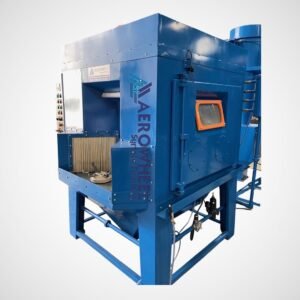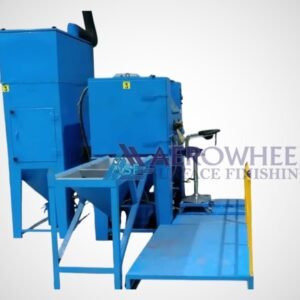




A shot blasting machine is a heavy-duty industrial system that runs under extreme conditions — high-speed abrasive impact, continuous dust generation, and constant mechanical movement. For this reason, regular maintenance is the only way to ensure long service life, stable performance, and low operating cost.
At Aerowheel Surface Finishing, we recommend a structured maintenance checklist to keep your shot blasting machine running efficiently for years. This guide covers all major points that operators and maintenance teams should follow.
1. Daily Maintenance Checklist
These are small, regular checks that prevent sudden failures and help operators identify issues early.
a. Machine Startup Inspection
- Check air pressure or wheel motor speed
- Inspect abrasive flow settings
- Ensure valves, hoses, and connections are secure
- Confirm safety interlocks and emergency switches are functional
b. Nozzle and Wheel Check
- Inspect nozzles, wheel blades, and liners for wear
- Make sure blades are not cracked or damaged
- Replace when wear limit is reached
c. Abrasive Level
- Check abrasive level in the hopper
- Maintain recommended level for consistent blasting
d. Visual Inspection
- Check for unusual vibration or noise
- Inspect chamber for abrasive leaks
- Identify loose bolts or fasteners
2. Weekly Maintenance Checklist
Weekly tasks focus on performance consistency and dust control.
a. Dust Collector Inspection
- Check filters or cartridges
- Clean filter surface and remove dust buildup
- Monitor DP (differential pressure) for clogging indicators
b. Abrasive Quality
- Inspect abrasive for contamination and broken shots
- Adjust separator airflow for proper cleaning
- Remove foreign material from storage hopper
c. Air Wash Separator
- Clean air wash screens
- Check curtain height and flow rate
- Ensure proper abrasive separation
d. Chamber Protection
- Inspect wear plates and rubber linings
- Replace damaged plates to protect chamber structure
3. Monthly Maintenance Checklist
Monthly inspections focus on moving parts, motors, and safety systems.
a. Wheel Assembly
- Check the balance of the blast wheel
- Tighten blade bolts
- Inspect bearing condition
- Check housing for wear
b. Lubrication
- Lubricate:
- Bearings
- Drive shafts
- Gearbox
- Screw conveyors
c. Bucket Elevator
- Check belt tension and alignment
- Inspect buckets for wear or cracks
- Verify smooth operation
d. Safety Systems
- Test all interlocks and limit switches
- Inspect motor overload relays
- Check electrical panel for dust buildup
4. Quarterly Maintenance Checklist
These detailed inspections ensure long-term reliability.
a. Structural Inspection
- Inspect chamber structure for cracks
- Check bolts, joints, and panels
- Repair minor defects immediately
b. Abrasive Recovery System
- Inspect screw conveyors, H-type floors or cross conveyors
- Adjust motor alignment and chain tension
- Clean accumulated abrasive or dust
c. Dust Collector Performance Test
- Record airflow and suction
- Replace damaged filter cartridges
- Check ducting for blockages or leaks
d. Calibration
- Re-calibrate:
- Abrasive metering valve
- Pressure gauges
- Airflow settings
This restores factory performance standards.
5. Annual Maintenance Checklist
Once a year, conduct a full machine health check.
a. Full Machine Overhaul
- Replace worn nozzles, blades, liners
- Rebuild wheel assembly if needed
- Replace seals and gaskets
b. Electrical & Control Panel Check
- Inspect wiring, MCC panel
- Test PLC or automation control
- Clean terminals and ensure safety compliance
c. Documentation
- Record parts changed
- Update maintenance logs
- Schedule proactive replacements
Annual servicing ensures another year of hassle-free operation.
How Much Does a Shot Blasting Machine Cost in India?
Comparing Prices: Sand Blasting Machines from Leading Indian Brands
Indian Standards and Guidelines for Industrial Sand Blasting
6. General Best Practices
To maximize machine life, follow these practices daily:
- Use good quality abrasives (steel grit, steel shot, garnet)
- Avoid overloading the machine
- Train operators regularly
- Keep a maintenance log
- Replace parts before full wear
- Maintain clean workspace
- Follow manufacturer guidelines
7. Benefits of Regular Maintenance
Proper maintenance results in:
- Higher production output
- Reduced abrasive consumption
- Longer life of spare parts
- Lower operating costs
- Minimal breakdowns
- Better surface finish quality
- Safer working conditions
Well-maintained machines can run efficiently for 10–20 years with predictable expenses.
Conclusion
A shot blasting machine is a long-term investment, and its life depends on how well it is maintained. Following a scheduled maintenance checklist helps prevent costly failures, improves performance, and ensures consistent finishing quality.
At Aerowheel Surface Finishing, we also offer maintenance contracts where our expert engineers handle inspections, servicing, and part replacement — so your production never stops.