



The oil and gas industry operates in some of the harshest environments in the world. Pipelines, storage tanks, pressure vessels, offshore platforms, valves, drilling equipment, and structural steel are constantly exposed to moisture, chemicals, saltwater, extreme temperatures, and abrasive materials. These harsh conditions make corrosion one of the biggest challenges for the industry.
To protect critical assets and ensure long-term reliability, surface cleaning is an essential step before painting, coating, galvanizing, or maintenance. Proper surface preparation removes contaminants that can weaken protective coatings and lead to premature equipment failure.
At Aerowheel Surface Finishing, we provide advanced surface preparation and blasting solutions that help oil and gas companies improve coating performance, extend equipment life, and reduce maintenance costs.
Why Surface Cleaning Is Critical in the Oil & Gas Industry
Metal surfaces are often contaminated with:
- Rust
- Mill scale
- Salt deposits
- Oil and grease
- Welding slag
- Dust and dirt
- Old paint or coatings
If these contaminants are not removed before applying protective coatings, they can prevent proper adhesion and cause coatings to fail much earlier than expected.
Surface cleaning creates a clean, uniform surface that allows coatings to bond effectively and protect equipment for years.
Challenges Faced by Oil & Gas Equipment
Oil and gas infrastructure is continuously exposed to demanding operating conditions, including:
- High humidity
- Saltwater exposure
- Corrosive chemicals
- Extreme temperatures
- Abrasive particles
- High-pressure environments
Without proper surface preparation, these conditions can accelerate corrosion and reduce the lifespan of valuable equipment.
How Surface Cleaning Improves Equipment Performance
1. Removes Rust and Corrosion
Rust weakens metal surfaces and reduces the effectiveness of protective coatings.
Blasting and surface cleaning remove:
- Surface rust
- Oxidation
- Corrosion products
- Mill scale
This restores the metal surface and prepares it for long-lasting protection.
2. Improves Coating Adhesion
Protective coatings perform best when applied to properly prepared surfaces.
Surface cleaning creates the ideal anchor profile for:
- Epoxy coatings
- Polyurethane coatings
- Zinc-rich primers
- Industrial paints
- Corrosion-resistant coatings
Better adhesion means stronger protection and longer coating life.
3. Extends Equipment Service Life
Properly cleaned and coated equipment can withstand harsh environments for much longer.
This helps extend the lifespan of:
- Pipelines
- Pressure vessels
- Storage tanks
- Offshore structures
- Valves
- Pumps
- Heat exchangers
Longer equipment life reduces replacement costs and improves return on investment.
4. Prevents Premature Coating Failure
Many coating failures occur because contaminants remain trapped beneath the paint.
Poor surface preparation can lead to:
- Peeling
- Blistering
- Flaking
- Rust beneath the coating
- Delamination
Proper cleaning significantly reduces these problems.
5. Improves Inspection Accuracy
Surface cleaning also improves equipment inspection by removing dirt, rust, and old coatings.
Clean surfaces allow inspectors to identify:
- Cracks
- Corrosion damage
- Weld defects
- Surface wear
- Structural problems
Early detection helps prevent costly failures and improves workplace safety.
6. Reduces Maintenance Costs
When coatings last longer, maintenance intervals become less frequent.
This reduces:
- Repainting costs
- Equipment downtime
- Repair expenses
- Labour costs
Over time, effective surface preparation leads to significant cost savings.
7. Enhances Workplace Safety
Corroded equipment increases the risk of leaks, structural failures, and accidents.
How to Reduce Paint Wastage Using a Spray Booth
How Custom Paint Booth Design Improves Production Quality
Proper surface cleaning and protective coatings help maintain equipment integrity, creating a safer working environment for employees and contractors.
Surface Cleaning Methods Used in Oil & Gas Industries
Different surface preparation techniques are used depending on the type of equipment and application.
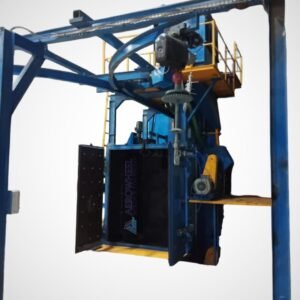
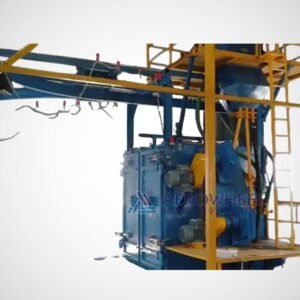
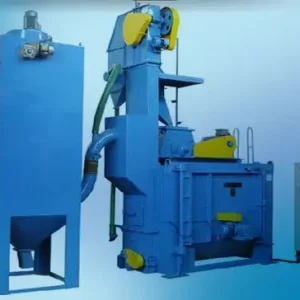
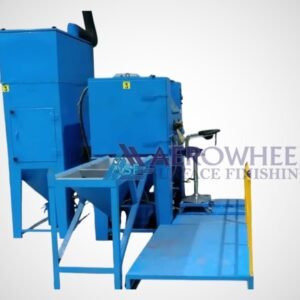
Shot Blasting
Shot blasting is widely used for:
- Steel plates
- Pipelines
- Pressure vessels
- Structural steel
- Fabricated components
It removes rust and mill scale while creating the ideal surface profile for coating.
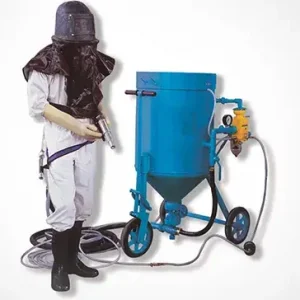
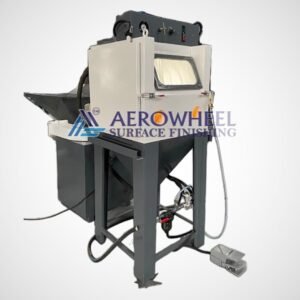
Abrasive Blasting
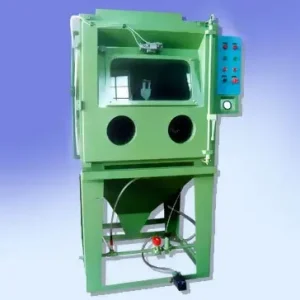
Abrasive blasting is suitable for cleaning complex shapes and smaller components such as:
- Valves
- Flanges
- Pumps
- Pipe fittings
It provides precise and consistent surface preparation.
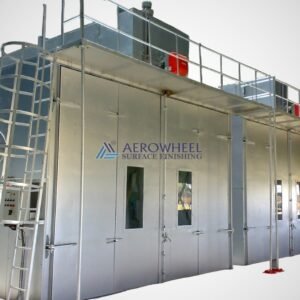
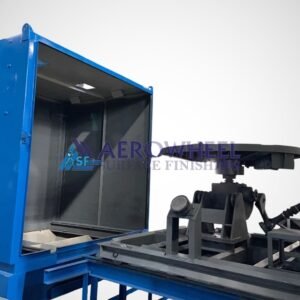
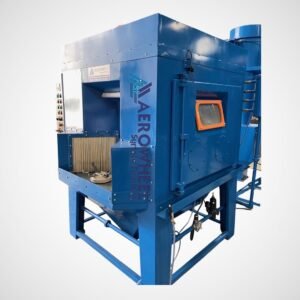
Blast Room Systems
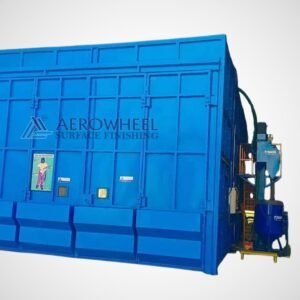
Large oil and gas structures often require customized blast rooms for cleaning oversized components before painting or coating.
Typical applications include:
- Offshore structures
- Storage tanks
- Large fabricated equipment
- Heavy steel assemblies
Wet Blasting
Wet blasting is preferred when:
- Dust must be minimized
- Delicate components require cleaning
- A smoother surface finish is needed
It is commonly used for precision-engineered equipment and stainless steel components.
Applications of Surface Cleaning in Oil & Gas
Surface cleaning is essential for preparing:
- Oil and gas pipelines
- Pressure vessels
- Storage tanks
- Offshore platforms
- Heat exchangers
- Compressors
- Pumps
- Valves
- Drilling equipment
- Structural steel
- Fabricated skids
- Refinery equipment
These components require reliable corrosion protection to ensure safe and efficient operation.
Benefits of Proper Surface Cleaning
Manufacturers and plant operators benefit from:
- Better coating adhesion
- Improved corrosion resistance
- Longer equipment life
- Lower maintenance costs
- Reduced downtime
- Improved product quality
- Higher operational reliability
- Better compliance with industry standards
These advantages contribute to increased productivity and long-term cost savings.
Choosing the Right Surface Preparation Equipment
When selecting a surface cleaning solution, companies should consider:
- Component size
- Material type
- Production volume
- Required cleanliness standard
- Coating specifications
- Automation requirements
- Maintenance needs
The right equipment improves both efficiency and coating performance.
Why Choose Aerowheel Surface Finishing?
At Aerowheel Surface Finishing, we manufacture advanced surface preparation equipment for oil and gas industries across India.
Our solutions include:
- Airless Shot Blasting Machines
- Blast Room Systems
- Abrasive Blast Cabinets
- Wet Blast Cabinets
- Paint Spray Booths
- Customized Surface Finishing Solutions
Our equipment is designed to provide:
- High cleaning efficiency
- Consistent surface preparation
- Improved coating performance
- Heavy-duty industrial construction
- Low maintenance
- Reliable after-sales support
We help oil and gas companies protect valuable assets while improving production efficiency and reducing lifecycle costs.
Final Thoughts
Surface cleaning is one of the most important steps in protecting equipment used in the oil and gas industry. By removing rust, contaminants, and old coatings, it creates the ideal foundation for high-performance protective coatings that resist corrosion, extend equipment life, and reduce maintenance requirements.
Whether you’re manufacturing pipelines, pressure vessels, offshore structures, or refinery equipment, investing in the right surface preparation solution ensures long-term reliability, safety, and operational efficiency.
If you’re looking for reliable surface cleaning solutions for the oil & gas industry, Aerowheel Surface Finishing offers customized blasting and surface preparation equipment designed to meet the demanding requirements of modern industrial applications.