



Choosing the right surface finishing equipment is one of the most important decisions for any manufacturing business. Whether you are involved in steel fabrication, automotive manufacturing, heavy engineering, aerospace, railway components, oil & gas, foundries, or industrial machinery, the quality of your surface finishing process directly affects product durability, coating performance, production efficiency, and customer satisfaction.
With a wide range of machines available in the market, selecting the right equipment can be challenging. The ideal solution depends on your production requirements, component type, surface finish expectations, and long-term business goals.
At Aerowheel Surface Finishing, we help manufacturers choose customized surface finishing solutions that improve productivity while delivering consistent, high-quality results.
Why Choosing the Right Surface Finishing Equipment Matters
Surface finishing is more than simply cleaning a component before painting. The right equipment helps manufacturers:
- Improve product quality
- Increase coating adhesion
- Enhance corrosion resistance
- Reduce production time
- Lower maintenance costs
- Increase equipment lifespan
- Improve overall production efficiency
Choosing the wrong machine can lead to poor surface quality, frequent downtime, increased operating costs, and lower productivity.
Factors to Consider Before Choosing Surface Finishing Equipment
1. Understand Your Application
The first step is understanding exactly what you need the equipment to do.
Ask yourself:
- What type of components are you manufacturing?
- What surface finish is required?
- Will the components be painted, powder coated, galvanized, or assembled?
- Are you cleaning, strengthening, or texturing the surface?
Different applications require different surface finishing technologies.
2. Identify the Material Type
The material being processed plays a major role in equipment selection.
Common materials include:
- Mild steel
- Stainless steel
- Aluminium
- Cast iron
- Forged components
- Brass
- Copper
- Titanium
Each material requires a different surface preparation method and abrasive selection.
3. Consider Component Size and Shape
Component dimensions determine the type of machine you should choose.
Small Components
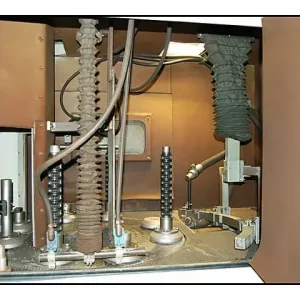
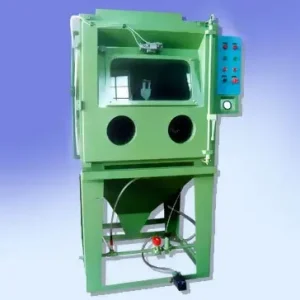
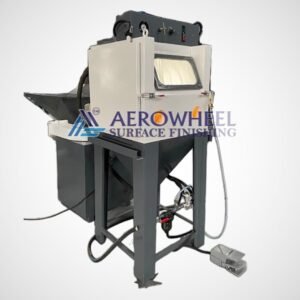
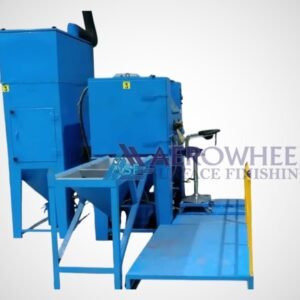
For items like precision parts, tools, valves, and machined components, abrasive blast cabinets or wet blast cabinets are ideal.
Medium Components
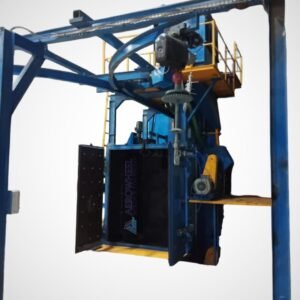
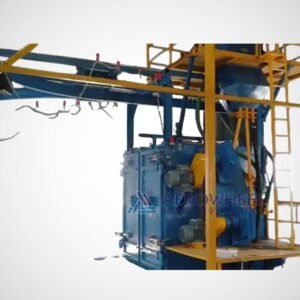
Castings, forgings, brake drums, and automotive parts are commonly processed using hanger type shot blasting machines.
Large Components
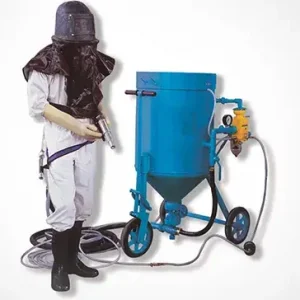
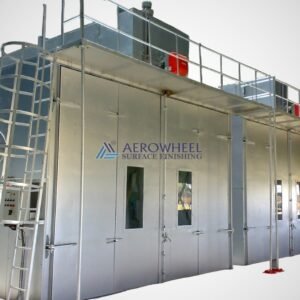
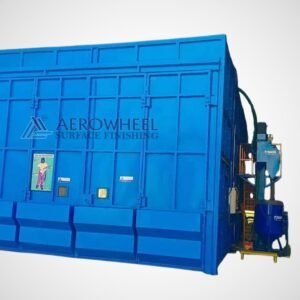
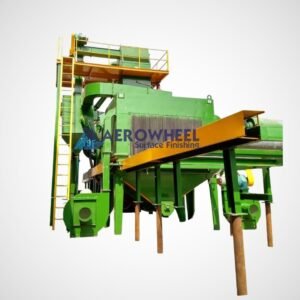
Structural steel, fabricated assemblies, pressure vessels, pipelines, and heavy engineering equipment often require roller conveyor shot blasting machines or blast room systems.
4. Evaluate Production Volume
Production capacity is another critical factor.
Low Production
Smaller workshops may require manually operated blasting cabinets or compact machines.
Medium Production
Semi-automatic equipment offers a balance between productivity and investment.
High Production
Large manufacturing plants benefit from fully automated systems with conveyor integration and PLC controls.
Choosing equipment based on your actual production volume prevents unnecessary investment while ensuring future scalability.
5. Define Surface Finish Requirements
Different industries require different surface finishes.
For example:
- Rust removal
- Mill scale removal
- Surface roughening
- Decorative finishing
- Fatigue strengthening
- Satin finish
- Matte finish
- Precision texturing
Selecting equipment that matches your finishing requirements improves product quality and coating performance.
6. Select the Appropriate Surface Finishing Process
Different applications require different technologies.
Shot Blasting Machines
Best for:
- Rust removal
- Mill scale removal
- Structural steel cleaning
- Surface preparation before coating
Shot Peening Machines
Ideal for:
- Improving fatigue strength
- Aerospace components
- Automotive springs
- Gears
- Crankshafts
Paint Spray Booths
Used for:
- Dust-free painting
- Uniform coating
- Controlled curing
- High-quality finishes
Wet Blast Cabinets
Suitable for:
- Aluminium
- Stainless steel
- Precision components
- Decorative finishing
Blast Room Systems
Designed for:
- Heavy fabricated structures
- Large steel components
- Pressure vessels
- Construction equipment
Roll Etching Machines
Used for:
- Steel rolls
- Aluminium rolls
- Plastic film manufacturing
- Decorative surface texturing
7. Look for Automation Features
Modern surface finishing equipment should include automation features that improve productivity.
Useful features include:
- PLC control systems
- Touchscreen HMI
- Automatic abrasive recovery
- Conveyor integration
- Digital production monitoring
- Predictive maintenance support
Automation reduces manual labour while improving consistency and efficiency.
8. Consider Energy Efficiency
Energy costs significantly affect long-term operating expenses.
Shot Blasting Machine Manufacturers in India: Compare Features, Prices & Applications
Cost vs Benefit Analysis of Installing a Paint Booth
Shot Blasting Machine Dealers in Jodhpur: What to Look For
Look for equipment with:
- High-efficiency motors
- Variable Frequency Drives (VFDs)
- Optimized blast wheels
- Low air consumption
- Energy-saving control systems
Energy-efficient machines reduce operating costs over their entire lifespan.
9. Evaluate Dust Collection and Environmental Compliance
Industrial surface preparation generates dust and airborne particles.
Choose equipment with:
- High-efficiency dust collectors
- Cartridge filter systems
- Automatic filter cleaning
- Proper air circulation
- Environmental compliance features
Cleaner operations improve worker safety while meeting pollution control requirements.
10. Check Machine Quality and Durability
A surface finishing machine is a long-term investment.
Choose equipment built with:
- Heavy-duty steel construction
- Wear-resistant components
- High-quality blast wheels
- Reliable electrical systems
- Industrial-grade motors
Durable construction reduces maintenance and extends machine life.
11. Assess After-Sales Support
After-sales service is just as important as machine quality.
A reliable manufacturer should provide:
- Installation support
- Operator training
- Spare parts availability
- Preventive maintenance
- Technical assistance
- Quick service response
Strong after-sales support minimizes downtime and keeps production running smoothly.
12. Consider Future Expansion
Many manufacturers experience production growth over time.
Choose equipment that can be upgraded with:
- Additional automation
- Conveyor systems
- PLC enhancements
- Increased production capacity
- Smart monitoring systems
Planning for future expansion protects your investment.
Common Mistakes to Avoid
Many buyers make decisions based only on the lowest purchase price.
Instead, consider:
- Machine reliability
- Production efficiency
- Energy consumption
- Maintenance costs
- Spare parts availability
- Technical support
- Total cost of ownership
A high-quality machine often delivers far greater value over its lifetime than a cheaper alternative.
Industries Using Surface Finishing Equipment
Surface finishing equipment is widely used across industries such as:
- Automotive Manufacturing
- Steel Fabrication
- Heavy Engineering
- Railway Components
- Oil & Gas
- Aerospace
- Construction Equipment
- Foundries
- Industrial Machinery
- Shipbuilding
Each industry has unique surface preparation requirements, making equipment selection critical.
Why Choose Aerowheel Surface Finishing?
At Aerowheel Surface Finishing, we manufacture a complete range of industrial surface finishing equipment designed for modern manufacturing industries.
Our product portfolio includes:
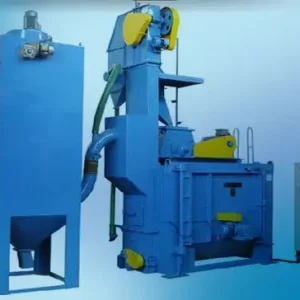
- Airless Shot Blasting Machines
- Roller Conveyor Shot Blasting Machines
- Hanger Type Shot Blasting Machines
- Blast Room Systems
- Abrasive Blast Cabinets
- Wet Blast Cabinets
- Paint Spray Booths
- Shot Peening Machines
- Roll Etching Machines
- Rotary Indexing Machines
- Tyre Mould Cleaning Machines
Why Customers Choose Us
- Customized machine solutions
- Precision engineering
- High-performance industrial equipment
- Automation-ready designs
- Energy-efficient operation
- Durable construction
- Reliable after-sales support
- Industry-specific expertise
Our team works closely with customers to recommend the most suitable equipment based on their production goals and budget.
Final Thoughts
Selecting the right surface finishing equipment is a strategic investment that directly impacts product quality, production efficiency, and long-term profitability. By carefully evaluating your application, material type, production volume, automation needs, and future expansion plans, you can choose equipment that delivers reliable performance for years to come.
Rather than focusing only on the initial purchase price, consider the machine’s durability, operating costs, service support, and overall value. The right equipment not only improves surface quality but also helps your business reduce downtime, increase productivity, and stay competitive in today’s manufacturing industry.
If you’re looking for reliable and customized surface finishing equipment, Aerowheel Surface Finishing offers complete industrial solutions tailored to your manufacturing requirements.
Frequently Asked Questions (FAQs)
1. How do I choose the right surface finishing equipment?
Start by evaluating your component size, material type, production volume, required surface finish, automation needs, and future expansion plans. Working with an experienced manufacturer also helps you make the right choice.
2. Which industries use surface finishing equipment?
Industries such as automotive, steel fabrication, heavy engineering, railways, aerospace, oil & gas, foundries, construction equipment, and industrial machinery manufacturing rely on surface finishing equipment.
3. What is the best equipment for surface preparation before painting?
Shot blasting machines are widely used because they effectively remove rust, mill scale, and contaminants while creating the ideal surface profile for paint and protective coatings.
4. Should I choose a manual or automated surface finishing machine?
The choice depends on your production volume. Manual systems are suitable for small workshops, while automated machines are ideal for medium and large-scale manufacturing with higher production demands.
5. Why is after-sales support important when buying surface finishing equipment?
Reliable after-sales support ensures quick installation, operator training, spare parts availability, preventive maintenance, and technical assistance, helping reduce downtime and maximize machine performance.