



In industries such as steel fabrication, automotive, heavy engineering, railways, oil & gas, construction, and manufacturing, the quality of a finished product depends heavily on proper surface preparation. Before painting, powder coating, galvanizing, or welding, metal surfaces must be free from contaminants and defects that can compromise performance.
Surface defects not only affect the appearance of a product but can also reduce coating adhesion, accelerate corrosion, and increase maintenance costs. Fortunately, most of these problems can be effectively resolved with the right blasting process.
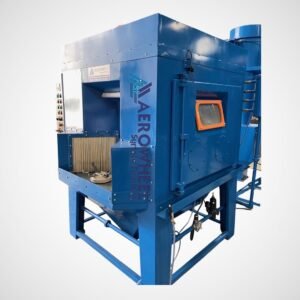
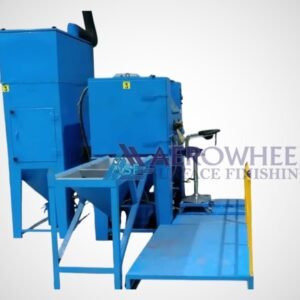
At Aerowheel Surface Finishing, we provide advanced blasting solutions that help manufacturers eliminate surface defects and achieve superior coating performance and product quality.
Why Surface Defects Matter
Even small imperfections on a metal surface can lead to major problems later.
Common issues caused by poor surface quality include:
- Poor paint adhesion
- Premature coating failure
- Corrosion
- Uneven finishes
- Product rejection
- Increased maintenance costs
Proper blasting removes these defects and prepares the surface for long-lasting protection.
Common Surface Defects and Their Solutions
1. Rust Formation
The Problem
Rust is one of the most common surface defects found on steel components. It develops when metal is exposed to moisture and oxygen.
Painting over rust often results in:
- Peeling paint
- Corrosion beneath the coating
- Reduced component life
How Blasting Fixes It
Shot blasting completely removes rust and exposes clean metal.
Benefits include:
- Better coating adhesion
- Improved corrosion resistance
- Longer coating life
2. Mill Scale
The Problem
Mill scale is a hard oxide layer that forms during the hot rolling process.
Although it may appear protective, mill scale eventually cracks and allows moisture to reach the steel surface.
How Blasting Fixes It
Blasting removes mill scale quickly and uniformly, creating an ideal surface for protective coatings.
3. Oil and Grease Contamination
The Problem
Oil and grease left on fabricated components prevent paint from adhering properly.
This often causes:
- Fish eyes
- Peeling
- Uneven coating
- Adhesion failure
How Blasting Helps
Blasting is typically performed after degreasing to remove remaining contaminants and prepare the surface for coating.
The combination of cleaning and blasting produces excellent coating performance.
4. Weld Slag and Welding Spatter
The Problem
After welding, metal surfaces often contain:
- Weld slag
- Spatter
- Oxidation
- Heat discoloration
These defects interfere with coating quality and reduce product appearance.
How Blasting Fixes It
Blasting removes welding residues while cleaning the surrounding metal surface, ensuring a uniform finish before painting.
5. Old Paint and Coating Residue
The Problem
During equipment refurbishment or maintenance, old coatings often remain attached to the surface.
Applying new paint over damaged coatings leads to poor adhesion and premature failure.
How Blasting Fixes It
Blasting removes old paint completely, creating a fresh surface ready for new protective coatings.
6. Surface Oxidation
The Problem
Even light oxidation can reduce coating adhesion and affect the appearance of finished products.
How Blasting Fixes It
Blasting removes oxidation evenly, restoring a clean metal surface without affecting the component’s dimensions.
7. Uneven Surface Finish
The Problem
Manual cleaning methods often leave inconsistent surface textures.
This causes:
- Uneven paint thickness
- Inconsistent appearance
- Variable coating performance
How Blasting Fixes It
Blasting creates a uniform surface profile across the entire component, ensuring consistent coating quality.
8. Poor Surface Profile
The Problem
A smooth metal surface does not provide enough grip for protective coatings.
Sustainable Practices by Shot Blasting Machine Manufacturers
The Role of Dust Collectors in Blast Rooms
Applications of Blast Rooms in the Railways and Defense Sector
Without an anchor profile, paint can peel or flake prematurely.
How Blasting Fixes It
Blasting creates microscopic peaks and valleys on the metal surface.
This improves the mechanical bond between the coating and the substrate, resulting in:
- Better adhesion
- Longer coating life
- Improved durability
9. Dust and Loose Contaminants
The Problem
Dust, dirt, and loose particles trapped beneath coatings create weak bonding areas.
This can result in:
- Blistering
- Pinholes
- Surface defects
How Blasting Fixes It
Blasting removes loose contaminants and produces a clean, dust-free surface ready for finishing.
10. Flash Rust
The Problem
Flash rust is a thin layer of rust that can develop shortly after cleaning, particularly in humid environments.
If not addressed promptly, it may reduce coating performance.
How Blasting Helps
Proper blasting followed by immediate priming or coating minimizes the risk of flash rust and preserves the prepared surface.
Benefits of Blasting for Surface Defect Removal
Using industrial blasting equipment provides several advantages:
Improved Coating Adhesion
A properly blasted surface allows paints and protective coatings to bond securely, reducing the risk of peeling or flaking.
Better Corrosion Protection
Removing rust and contaminants before coating significantly improves corrosion resistance.
Consistent Surface Quality
Blasting delivers a uniform surface profile, ensuring every component meets the same quality standards.
Reduced Product Rejection
Clean and properly prepared surfaces reduce coating defects, helping manufacturers lower rejection rates and improve customer satisfaction.
Longer Equipment Life
Proper surface preparation extends the lifespan of both coatings and the components they protect, reducing maintenance and replacement costs.
Industries That Use Blasting for Surface Preparation
Blasting solutions are widely used in:
- Steel Fabrication
- Automotive Manufacturing
- Heavy Engineering
- Railway Component Manufacturing
- Oil & Gas Industry
- Construction Equipment
- Shipbuilding
- Aerospace
- Power Plants
- Industrial Machinery Manufacturing
These industries depend on high-quality surface preparation to ensure durable coatings and long-lasting products.
Choosing the Right Blasting Equipment
The ideal blasting solution depends on:
- Component size
- Material type
- Surface condition
- Production volume
- Required surface finish
- Coating specifications
Common blasting equipment includes:
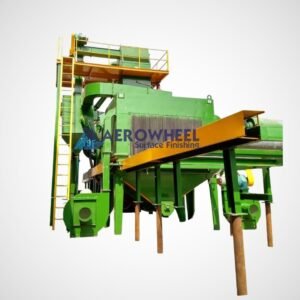
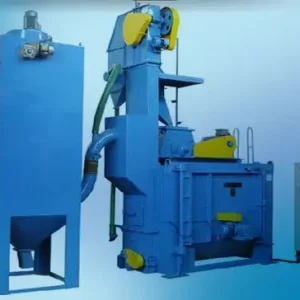
- Airless Shot Blasting Machines
- Roller Conveyor Shot Blasting Machines
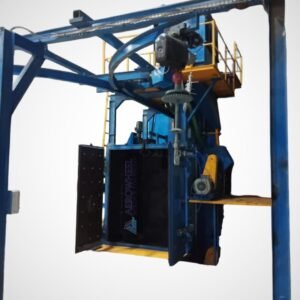
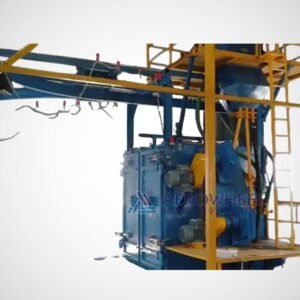
- Hanger Type Shot Blasting Machines
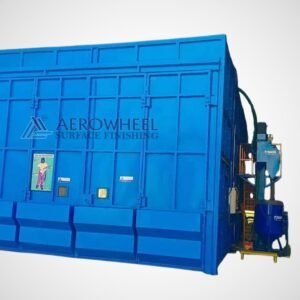
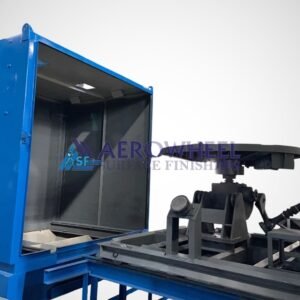
- Blast Room Systems
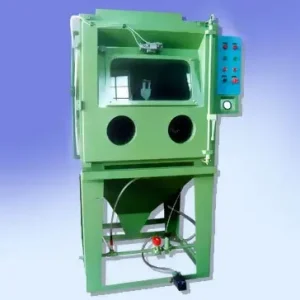
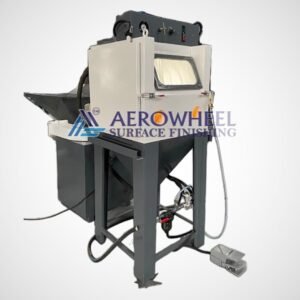
- Abrasive Blast Cabinets
- Wet Blast Cabinets
Choosing the right equipment improves productivity while ensuring consistent surface quality.
Why Choose Aerowheel Surface Finishing?
At Aerowheel Surface Finishing, we manufacture advanced blasting machines that help industries eliminate surface defects and improve coating performance.
Our solutions offer:
- Efficient rust and scale removal
- Uniform surface preparation
- Improved coating adhesion
- High production efficiency
- Durable machine construction
- Easy maintenance
- Reliable after-sales support
We provide customized blasting solutions tailored to the needs of modern manufacturing industries.
Final Thoughts
Surface defects such as rust, mill scale, welding residue, oxidation, and contamination can significantly reduce the performance of protective coatings and shorten the lifespan of industrial components. Proper blasting eliminates these defects while creating the ideal surface profile for painting, powder coating, or galvanizing.
By investing in the right blasting solution, manufacturers can improve product quality, reduce maintenance costs, enhance corrosion resistance, and achieve long-lasting coating performance.
If you’re looking for reliable industrial blasting solutions for surface preparation, Aerowheel Surface Finishing offers advanced equipment designed to deliver consistent, high-quality results across a wide range of industries.