



Rust is one of the biggest challenges faced by industries that manufacture, process, or use metal components. Whether it’s structural steel, automotive parts, pipelines, heavy machinery, or industrial equipment, rust can weaken metal surfaces, reduce product life, and increase maintenance costs. If left untreated, corrosion can lead to equipment failure, safety risks, and expensive repairs.
The good news is that rust formation can be significantly reduced through proper surface preparation, protective coatings, correct storage practices, and regular maintenance. By implementing the right preventive measures, manufacturers can improve the durability of metal components and reduce long-term operational costs.
At Aerowheel Surface Finishing, we provide advanced surface preparation and blasting solutions that help industries protect metal components from corrosion and extend their service life.
What Causes Rust Formation?
Rust is a form of corrosion that occurs when iron or steel reacts with oxygen and moisture. This chemical reaction forms iron oxide, which gradually weakens the metal surface.
Several factors accelerate rust formation, including:
- High humidity
- Rain and moisture
- Saltwater exposure
- Industrial chemicals
- Poor storage conditions
- Damaged protective coatings
- Inadequate surface preparation
Understanding these causes is the first step in preventing corrosion.
Why Rust Prevention Is Important
Rust affects more than just the appearance of metal components. It can also lead to:
- Reduced structural strength
- Poor coating performance
- Equipment failure
- Increased maintenance costs
- Production downtime
- Shorter component lifespan
Preventing rust helps improve product reliability while reducing long-term operating expenses.
Effective Ways to Reduce Rust Formation
1. Proper Surface Preparation
Surface preparation is the foundation of effective corrosion protection.
Before applying paint or protective coatings, the metal surface should be completely free from:
- Rust
- Mill scale
- Oil and grease
- Dust
- Welding slag
- Oxidation
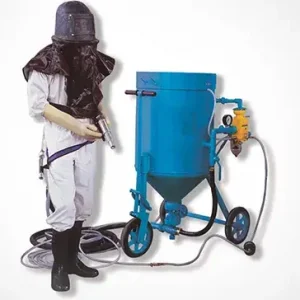
Shot blasting is one of the most effective methods for cleaning metal surfaces and preparing them for coating.
It creates a clean surface with the ideal anchor profile, allowing coatings to bond securely.
2. Apply High-Quality Protective Coatings
Protective coatings act as a barrier between the metal and the surrounding environment.
Common coating systems include:
- Epoxy primers
- Polyurethane paints
- Zinc-rich primers
- Powder coatings
- Industrial anti-corrosion coatings
Applying the correct coating system significantly reduces the risk of rust formation.
3. Remove Rust Before Painting
Painting over existing rust does not solve the problem. Instead, corrosion continues beneath the coating, eventually causing:
- Peeling
- Blistering
- Flaking
- Coating failure
Always remove rust completely using blasting or other approved surface preparation methods before applying any protective coating.
4. Keep Metal Surfaces Clean
Dust, dirt, chemicals, and moisture can accelerate corrosion.
Regular cleaning removes contaminants that trap moisture and damage protective coatings.
Routine cleaning is especially important for equipment operating in:
- Industrial plants
- Coastal areas
- Chemical processing facilities
- Outdoor environments
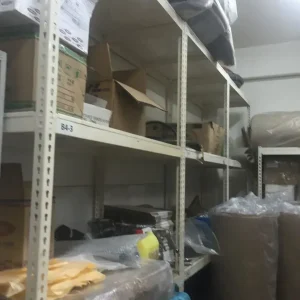
5. Store Components Properly
Improper storage is a common cause of premature rust.
Metal components should be stored:
- In dry, well-ventilated areas
- Away from direct rain or moisture
- Off the ground using pallets or racks
- Covered with protective materials when stored outdoors
Proper storage reduces exposure to humidity and contaminants.
6. Repair Coating Damage Immediately
Small scratches or damaged paint may expose bare metal to moisture.
Inspect coated components regularly and repair any damaged areas as soon as possible to prevent corrosion from spreading.
Sustainable Blasting Solutions for Green Energy Projects
How to Upgrade Your Old Blast Room for Better Performance
Different Types of Sand Blasting Machines and Their Functions
7. Control Moisture Exposure
Moisture is one of the main causes of rust.
Whenever possible:
- Keep equipment dry
- Remove standing water
- Improve drainage
- Use dehumidifiers in storage areas
- Ensure adequate ventilation
Reducing moisture exposure significantly slows corrosion.
8. Perform Regular Maintenance
Preventive maintenance helps identify corrosion before it becomes a major problem.
Routine inspections should include:
- Surface condition
- Coating integrity
- Rust formation
- Weld areas
- Fasteners and joints
Early maintenance reduces repair costs and extends equipment life.
9. Use Corrosion-Resistant Materials When Required
For highly corrosive environments, manufacturers may consider using:
- Stainless steel
- Galvanized steel
- Corrosion-resistant alloys
- Special protective coatings
Material selection plays an important role in long-term corrosion control.
10. Choose the Right Surface Preparation Equipment
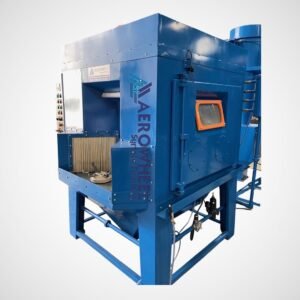
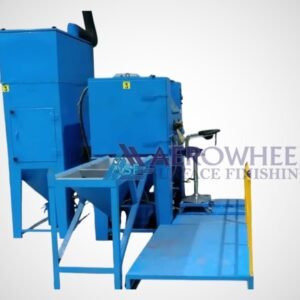
Industrial blasting equipment ensures consistent and effective surface cleaning before coating.
Common equipment includes:
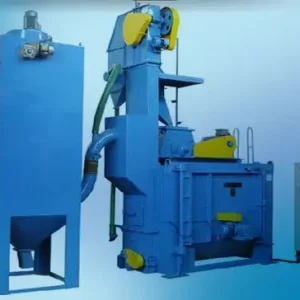
- Airless Shot Blasting Machines
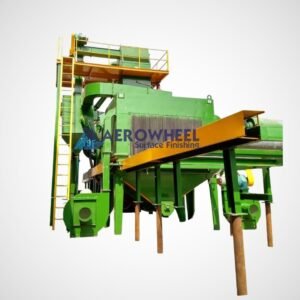
- Roller Conveyor Shot Blasting Machines
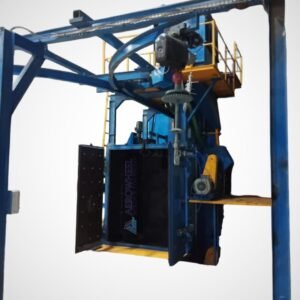
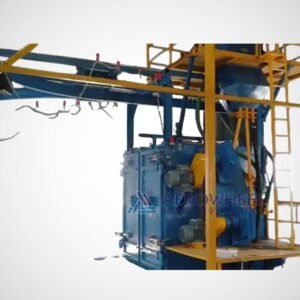
- Hanger Type Shot Blasting Machines
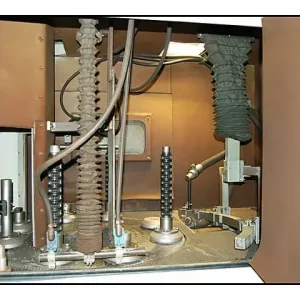
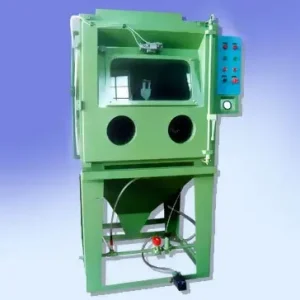
- Abrasive Blast Cabinets
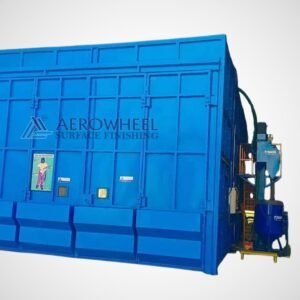
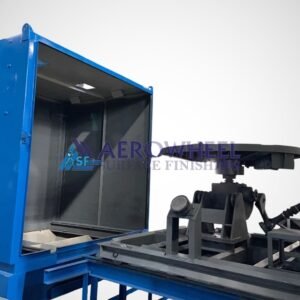
- Blast Room Systems
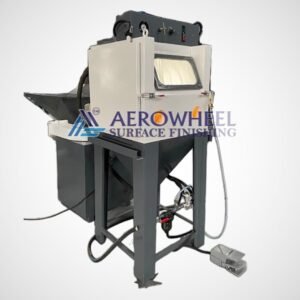
- Wet Blast Cabinets
Using the right equipment improves coating adhesion and significantly reduces the risk of future rust.
Industries Where Rust Prevention Is Critical
Rust prevention is essential across many industries, including:
- Steel Fabrication
- Automotive Manufacturing
- Railway Industry
- Oil & Gas
- Heavy Engineering
- Construction Equipment
- Shipbuilding
- Power Plants
- Infrastructure Projects
- Industrial Machinery Manufacturing
These industries rely on proper surface preparation to ensure long-term durability and reliable performance.
Benefits of Preventing Rust Formation
Effective rust prevention provides several long-term benefits:
- Improved corrosion resistance
- Longer component lifespan
- Better coating durability
- Reduced maintenance costs
- Lower equipment downtime
- Improved product quality
- Higher customer satisfaction
- Better return on investment
Investing in corrosion prevention is far more cost-effective than repairing rust-damaged equipment.
Why Choose Aerowheel Surface Finishing?
At Aerowheel Surface Finishing, we manufacture advanced surface preparation equipment that helps industries protect metal components against corrosion.
Our solutions include:
- Airless Shot Blasting Machines
- Roller Conveyor Shot Blasting Machines
- Hanger Type Shot Blasting Machines
- Blast Room Systems
- Abrasive Blast Cabinets
- Wet Blast Cabinets
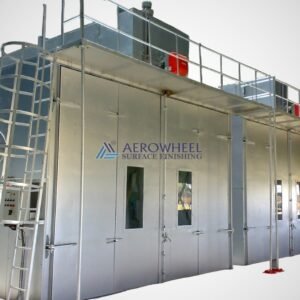
- Paint Spray Booths
Our machines provide:
- Efficient rust removal
- Superior surface preparation
- Improved coating adhesion
- Consistent cleaning quality
- Durable industrial construction
- Reliable after-sales support
We help manufacturers achieve long-lasting corrosion protection and improved production efficiency.
Final Thoughts
Rust is one of the leading causes of equipment deterioration and maintenance costs in industrial manufacturing. However, with proper surface preparation, high-quality protective coatings, regular inspections, and correct storage practices, manufacturers can significantly reduce rust formation and extend the life of metal components.
Surface preparation, especially through shot blasting, remains one of the most effective methods for preventing corrosion before it starts.
If you’re looking for reliable surface preparation and rust prevention solutions, Aerowheel Surface Finishing offers advanced blasting equipment designed to deliver cleaner surfaces, stronger coatings, and longer-lasting protection for industrial metal components.