



Protective coatings are designed to shield metal surfaces from corrosion, moisture, chemicals, UV exposure, and everyday wear. Whether you’re painting structural steel, pipelines, pressure vessels, fabricated components, or industrial machinery, the success of any coating depends on one crucial factor—surface preparation.
Many manufacturers invest in premium paints and coatings but still experience issues such as peeling, blistering, rusting, or premature coating failure. In most cases, the problem isn’t the coating itself—it’s the surface underneath.
This is where blasting plays a vital role. By removing contaminants and creating the ideal surface profile, blasting ensures that coatings bond properly and perform as intended.
At Aerowheel Surface Finishing, we provide advanced blasting solutions that help manufacturers achieve longer-lasting coatings, improved corrosion protection, and higher product quality.
What Is Coating Failure?
Coating failure occurs when paint or protective coatings lose their ability to protect the metal surface. This can happen shortly after application or years before the coating’s expected lifespan.
Common signs of coating failure include:
- Peeling paint
- Blistering
- Flaking
- Cracking
- Rust appearing beneath the coating
- Uneven finish
- Poor adhesion
These problems not only affect appearance but can also reduce the lifespan of valuable equipment and structures.
Common Reasons Why Coatings Fail
1. Poor Surface Preparation
The most common cause of coating failure is inadequate surface preparation.
If the surface still contains:
- Rust
- Mill scale
- Oil and grease
- Dust
- Welding slag
- Moisture
- Old paint
the coating cannot bond properly.
Even the highest-quality paint cannot perform well on a contaminated surface.
2. Rust Left Under the Coating
Painting over rust only hides the problem temporarily.
Rust continues to spread beneath the coating, eventually causing:
- Bubbling
- Peeling
- Surface cracking
- Corrosion
Proper blasting completely removes rust before painting begins.
3. Smooth Metal Surfaces
A perfectly smooth metal surface provides very little grip for coatings.
Without a proper anchor profile, paint may peel away under mechanical stress or environmental exposure.
Blasting creates microscopic roughness that helps coatings bond securely.
4. Contaminated Surfaces
Oil, grease, salt deposits, and dirt act as barriers between the coating and the metal.
These contaminants prevent proper adhesion and often lead to localized coating failure.
Surface cleaning removes these contaminants before coating application.
5. Incorrect Surface Profile
Different coating systems require different surface profiles.
If the surface is too smooth or too rough, coating performance may be compromised.
Blasting produces a controlled and uniform surface profile that meets coating specifications.
How Blasting Solves Coating Problems
Removes Rust and Mill Scale
Blasting effectively removes corrosion, oxidation, and mill scale, exposing clean metal ready for coating.
This provides a strong foundation for long-lasting protection.
Creates the Ideal Surface Profile
Blasting creates microscopic peaks and valleys on the metal surface.
These tiny irregularities allow coatings to mechanically bond with the substrate, resulting in stronger adhesion and improved durability.
Improves Paint Adhesion
A properly blasted surface allows:
- Primers
- Epoxy coatings
- Polyurethane paints
- Powder coatings
- Zinc-rich coatings
to bond much more effectively.
Role of Blasting Machines in Steel Fabrication Industry
Automatic Tyre Mould Cleaning Machines – Features & Benefits
Blast Room Components Explained – Booth, Ventilation, Recovery
Better adhesion means coatings remain intact for longer, even in demanding environments.
Provides Uniform Surface Preparation
Manual cleaning methods often leave uneven surfaces.
Blasting ensures every part of the component receives consistent treatment, resulting in:
- Uniform coating thickness
- Better appearance
- Consistent protection
- Reduced coating defects
Extends Coating Life
Proper surface preparation significantly increases coating lifespan.
This reduces:
- Repainting frequency
- Maintenance costs
- Production downtime
- Equipment replacement expenses
For industrial facilities, this translates into substantial long-term savings.
Industries That Depend on Blasting Before Coating
Blasting is an essential process in industries such as:
Steel Fabrication
Structural steel, beams, columns, and fabricated assemblies require blasting before painting or galvanizing.
Oil & Gas
Pipelines, pressure vessels, storage tanks, and offshore equipment depend on high-quality surface preparation for corrosion protection.
Automotive Manufacturing
Automotive components require clean surfaces before painting, powder coating, or electrocoating.
Heavy Engineering
Construction equipment, industrial machinery, cranes, and fabricated structures rely on blasting to ensure durable coatings.
Railway Industry
Bogies, wheelsets, coach frames, and structural components are blasted before protective coating application.
Shipbuilding and Marine
Marine environments are highly corrosive, making blasting essential for achieving long-lasting coating performance.
Types of Blasting Machines Used for Surface Preparation
Depending on the application, manufacturers may use:
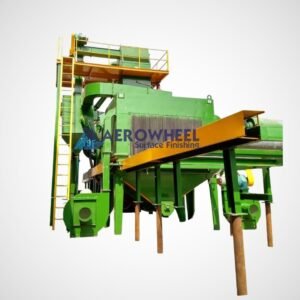
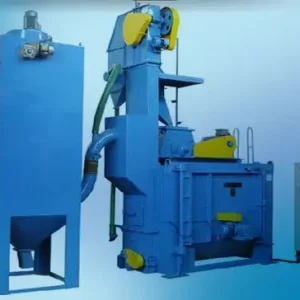
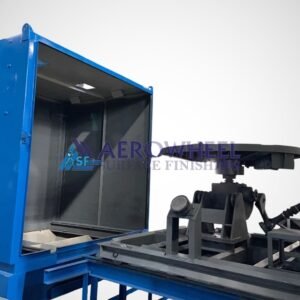
- Airless Shot Blasting Machines
- Roller Conveyor Shot Blasting Machines
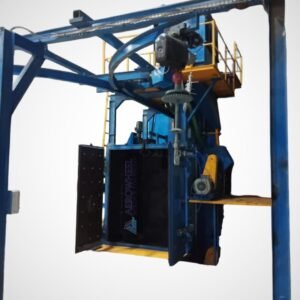
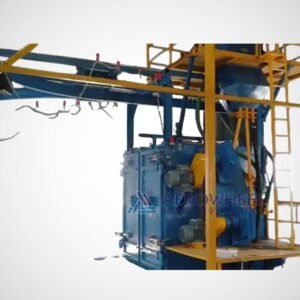
- Hanger Type Shot Blasting Machines
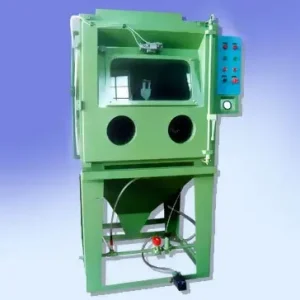
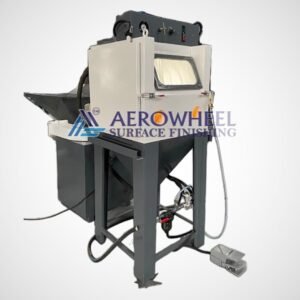
- Abrasive Blast Cabinets
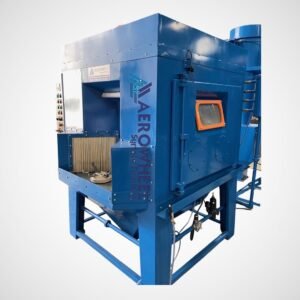
- Blast Room Systems
- Wet Blast Cabinets
Each system is designed for specific component sizes, production volumes, and surface preparation requirements.
Benefits of Blasting Before Coating
Manufacturers experience several advantages when blasting is performed before coating:
- Stronger coating adhesion
- Better corrosion resistance
- Uniform surface finish
- Longer coating life
- Reduced maintenance costs
- Lower product rejection rates
- Improved product appearance
- Increased customer satisfaction
These benefits help businesses improve both quality and profitability.
How to Choose the Right Blasting Solution
Selecting the right blasting equipment depends on:
- Component size
- Material type
- Production volume
- Coating specifications
- Required surface profile
- Factory layout
- Automation requirements
A properly selected blasting system ensures maximum efficiency and consistent results.
Why Choose Aerowheel Surface Finishing?
At Aerowheel Surface Finishing, we manufacture advanced blasting equipment designed for industries that demand reliable surface preparation.
Our product range includes:
- Airless Shot Blasting Machines
- Roller Conveyor Shot Blasting Machines
- Hanger Shot Blasting Machines
- Blast Room Systems
- Abrasive Blast Cabinets
- Wet Blast Cabinets
- Paint Spray Booths
Our machines deliver:
- High cleaning efficiency
- Uniform surface preparation
- Improved coating performance
- Robust industrial construction
- Easy maintenance
- Comprehensive after-sales support
We help manufacturers achieve superior coating quality while reducing production costs and increasing equipment life.
Final Thoughts
If your coatings are peeling, blistering, cracking, or failing earlier than expected, the root cause is often poor surface preparation rather than poor paint quality. Blasting removes rust, mill scale, contaminants, and old coatings while creating the ideal surface profile for strong coating adhesion.
By investing in the right blasting solution, manufacturers can improve coating durability, enhance corrosion resistance, reduce maintenance costs, and deliver products that perform reliably for years.
If you’re looking for reliable blasting solutions for industrial surface preparation, Aerowheel Surface Finishing offers customized equipment designed to meet the coating requirements of modern manufacturing industries.