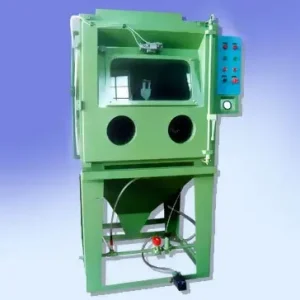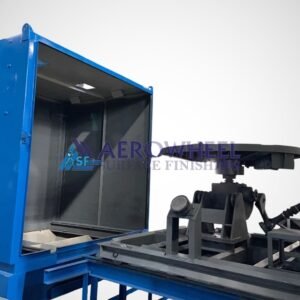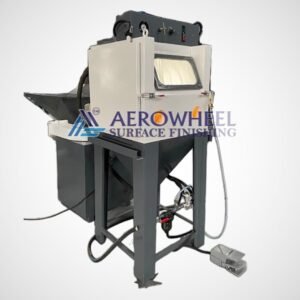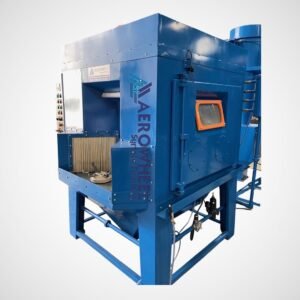




Surface preparation is a critical step in manufacturing, restoration, and finishing processes. Whether you’re removing rust, cleaning metal components, preparing surfaces for coating, or achieving a specific surface finish, choosing the right blasting method can significantly impact the final results.
The two most commonly used methods are wet blasting and dry blasting. Although both processes use abrasive media to clean and prepare surfaces, they differ in their working principle, finish quality, dust generation, and applications.
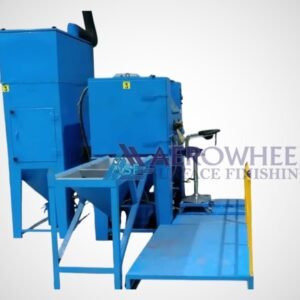
At Aerowheel Surface Finishing, we help industries choose the right blasting solution based on their production requirements, material type, and desired surface finish.
What Is Wet Blasting?
Wet blasting is a surface treatment process that mixes abrasive media with water to create a slurry. This slurry is propelled onto the workpiece using compressed air.
The addition of water reduces dust, cushions the impact of the abrasive particles, and produces a smoother surface finish. Wet blasting is commonly used for precision components and applications where surface quality is a priority.
What Is Dry Blasting?
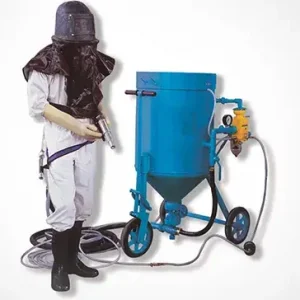
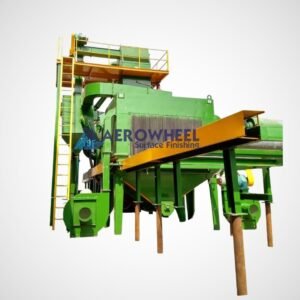
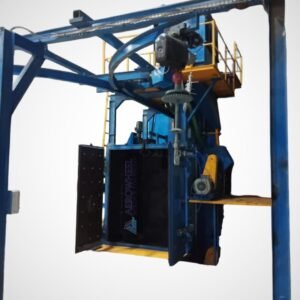
Dry blasting uses dry abrasive media that is projected at high speed using compressed air or a blast wheel. It is primarily used for aggressive cleaning and surface preparation.
Dry blasting is highly effective for removing:
- Heavy rust
- Mill scale
- Old paint
- Oxidation
- Surface contaminants
It is widely used in heavy engineering, fabrication, shipbuilding, and structural steel industries.
Wet Blasting vs Dry Blasting – Comparison Table
| Feature | Wet Blasting | Dry Blasting |
|---|---|---|
| Blasting Media | Abrasive mixed with water | Dry abrasive media |
| Dust Generation | Very low | Higher unless equipped with dust collection |
| Surface Finish | Smooth, satin, and uniform | Rougher profile suitable for coating |
| Cleaning Action | Gentle and controlled | More aggressive |
| Material Removal | Lower | Higher |
| Best for Delicate Parts | Yes | Limited |
| Rust & Heavy Scale Removal | Moderate | Excellent |
| Surface Preparation for Painting | Good | Excellent |
| Operator Visibility | Better due to reduced dust | Depends on dust collection system |
| Environmental Cleanliness | Cleaner working environment | Requires effective dust extraction |
Surface Finish Comparison
One of the biggest differences between wet and dry blasting is the finish they produce.
Wet blasting creates:
- Smooth surface texture
- Satin finish
- Low surface roughness
- Attractive cosmetic appearance
Dry blasting creates:
- Rough anchor profile
- Better mechanical adhesion
- Excellent coating preparation
- More aggressive cleaning action
The choice depends on the final application.
Dust Control and Workplace Safety
Dust is a major concern in abrasive blasting operations.
Wet Blasting
Since abrasive media is mixed with water, airborne dust is significantly reduced. This creates:
- Cleaner workplace
- Better operator visibility
- Reduced airborne contaminants
- Improved working conditions
Dry Blasting
Dry blasting produces more dust, especially during rust or paint removal. Modern systems use dust collectors to maintain visibility and improve safety.
Cleaning Performance
Both methods provide excellent cleaning performance, but they are designed for different purposes.
Wet Blasting Is Ideal For:
- Precision cleaning
- Light oxidation removal
- Surface finishing
- Sensitive components
- Decorative finishing
Dry Blasting Is Ideal For:
- Heavy rust removal
- Thick paint removal
- Mill scale cleaning
- Structural steel preparation
- Industrial surface preparation
Suitable Materials
Wet Blasting Works Best On:
- Aluminium
- Stainless steel
- Brass
- Copper
- Precision-machined components
- Medical equipment
- Aerospace parts
Dry Blasting Works Best On:
- Structural steel
- Castings
- Heavy fabricated components
- Industrial machinery
- Large engineering structures
Maintenance Requirements
Wet blasting systems require maintenance of:
- Water circulation system
- Slurry tank
- Pumps
- Water filtration
Dry blasting systems require maintenance of:
How Sand Blasting Machines Enhance Surface Adhesion
Maintenance Tips for Longevity of Wet Blast Cabinets
Sand Blasting PPE Guide – What Operators Must Wear
- Dust collectors
- Filters
- Blast hoses
- Nozzles
- Abrasive recovery systems
Regular maintenance is essential in both systems for consistent performance.
Cost Considerations
The operating cost depends on the application and production volume.
Wet blasting may involve additional water management and slurry maintenance, but it reduces dust-related issues and provides excellent surface quality.
Dry blasting is generally preferred for heavy industrial applications because it offers faster material removal and higher productivity.
Instead of choosing based on cost alone, manufacturers should consider the long-term value, production requirements, and desired finish.
Which Blasting Method Should You Choose?
Choose Wet Blasting if you need:
- Fine surface finishing
- Low dust generation
- Precision cleaning
- Protection of delicate components
- Cosmetic surface improvement
Choose Dry Blasting if you need:
- Heavy-duty cleaning
- Rust and scale removal
- Surface preparation before painting
- High production speed
- Aggressive material removal
The right choice depends on your component, industry, and production goals.
Aerowheel Surface Finishing’s Blasting Solutions
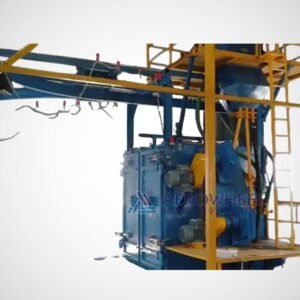
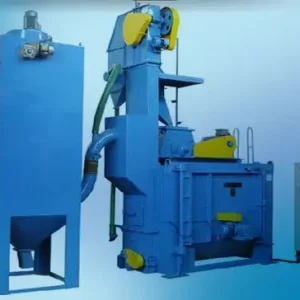
At Aerowheel Surface Finishing, we offer both wet and dry blasting solutions designed to meet a wide range of industrial applications.
Our systems are built with:
- Advanced blasting technology
- Reliable industrial components
- Efficient dust control
- Durable construction
- Customized machine configurations
- Comprehensive technical support
We help customers select the most suitable blasting solution based on their production requirements and finishing objectives.
Final Thoughts
Both wet blasting and dry blasting play an important role in modern surface preparation. Wet blasting is ideal for precision cleaning, smooth surface finishes, and low-dust applications, while dry blasting remains the preferred choice for aggressive cleaning, rust removal, and heavy-duty industrial work.
Understanding the differences between these two methods allows manufacturers to select the most effective solution for improving product quality, production efficiency, and long-term performance.
If you’re looking for reliable wet blasting or dry blasting equipment, Aerowheel Surface Finishing offers customized solutions designed to deliver consistent results across a wide range of industrial applications.