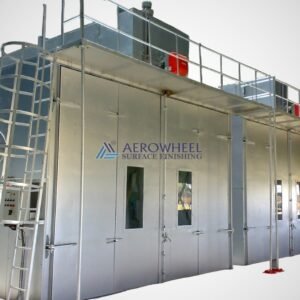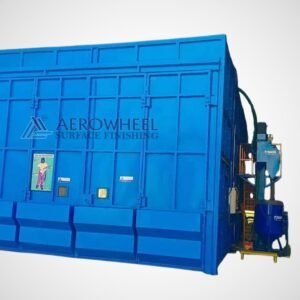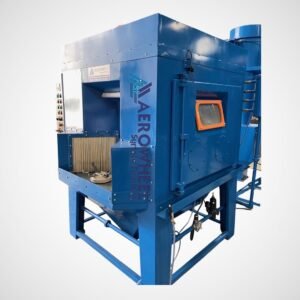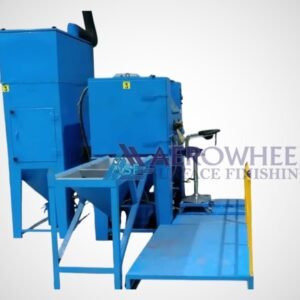




Operating a paint spray booth involves handling chemicals, pressurized equipment, electrical systems, and airflow machinery—all within a confined space. Without proper safety practices, even a well-designed spray booth can become hazardous. That’s why following safety guidelines is essential for protecting workers, equipment, and production quality.
At Aerowheel Surface Finishing, safety is treated as a core part of spray booth operation, not an afterthought. Below are essential safety guidelines every industrial unit should follow while operating a paint spray booth.
Understand the Spray Booth Before Operation
Before operating a paint spray booth, operators must be familiar with its layout, controls, airflow direction, exhaust system, and emergency features. Lack of understanding often leads to misuse, which can cause accidents or poor paint results.
Proper training ensures operators know how the booth behaves during painting, drying, and shutdown phases.
Use Proper Personal Protective Equipment (PPE)
Paint spraying releases fumes, vapors, and fine paint particles that can be harmful if inhaled or absorbed through the skin.
Operators should always use:
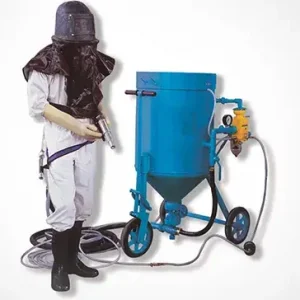
- Approved respirators or air-fed masks
- Protective clothing or coveralls
- Gloves resistant to chemicals
- Safety goggles or face shields
Using the right PPE significantly reduces health risks and long-term exposure problems.
Ensure Ventilation and Exhaust Systems Are Working
Ventilation is critical for safety. A paint spray booth must never be operated if the exhaust system is not functioning correctly.
Proper exhaust removes:
- Toxic paint fumes
- Solvent vapors
- Overspray particles
Poor ventilation increases the risk of breathing hazards and fire. Always check airflow before starting painting operations.
Avoid Fire and Explosion Risks
Most industrial paints and solvents are flammable. Sparks, open flames, or faulty electrical components can cause serious accidents.
To reduce fire risk:
- Never smoke near the paint booth
- Use explosion-proof lighting and electrical fittings
- Ground all equipment properly
- Store paints and solvents safely
- Keep fire extinguishers accessible
Fire prevention is one of the most important safety aspects of spray booth operation.
Maintain Cleanliness Inside the Booth
Paint buildup on walls, floors, lights, and filters increases fire risk and affects airflow. A dirty booth is not just inefficient—it is unsafe.
Regular cleaning helps:
- Prevent fire hazards
- Maintain proper airflow
- Improve paint quality
- Extend equipment life
Good housekeeping is a simple but powerful safety practice.
Inspect Filters and Equipment Regularly
Clogged filters restrict airflow and cause fumes to accumulate inside the booth. Damaged hoses, fans, or electrical parts can also create safety risks.
Regular inspection and maintenance ensure:
- Stable airflow
- Safe working conditions
- Reduced risk of sudden failures
Never operate a booth with damaged or overloaded components.
Importance of Airflow Design in Blast Rooms
Applications of Wet Blast Cabinets in Precision Industries
Top Applications of Shot Blasting Machines in Jodhpur’s Automotive Sector
Control Temperature and Humidity Safely
Improper temperature control can cause overheating, while excess humidity may lead to condensation and electrical risks.
Paint spray booths should operate within recommended temperature and humidity ranges. Heating systems must be designed specifically for spray booths and maintained properly to avoid fire hazards.
Follow Safe Paint Handling Practices
Paints, thinners, and solvents should always be handled carefully. Spills, leaks, or improper mixing increase health and fire risks.
Operators should:
- Use approved containers
- Close lids when not in use
- Clean spills immediately
- Follow manufacturer instructions
Safe paint handling protects both people and the facility.
Use Emergency Controls and Safety Features
Every paint spray booth should have emergency stop switches, fire safety systems, and clear exit paths.
Operators must know:
- Where emergency switches are located
- How to shut down the booth safely
- Emergency evacuation procedures
Quick response during emergencies can prevent serious damage or injury.
Train Operators and Enforce Safety Discipline
Even the best safety systems fail if operators are not trained or safety rules are ignored.
Regular training ensures:
- Correct booth operation
- Awareness of hazards
- Proper response to emergencies
- Consistent safety compliance
Safety is effective only when practiced daily.
Aerowheel Surface Finishing’s Safety-First Approach
At Aerowheel Surface Finishing, our paint spray booth designs focus on:
- Safe airflow and exhaust systems
- Explosion-proof electrical components
- Proper filtration and ventilation
- Operator-friendly layouts
- Easy maintenance and inspection
We design booths that support safe operation in real industrial conditions.
Final Thoughts
Safety in paint spray booth operation is not optional—it is essential. Proper ventilation, PPE usage, fire prevention, equipment maintenance, and operator training work together to create a safe and productive painting environment.
Following safety guidelines not only protects workers but also improves paint quality, reduces downtime, and ensures regulatory compliance.
If you want a paint spray booth that delivers performance without compromising safety, Aerowheel Surface Finishing provides solutions designed with safety at their core.