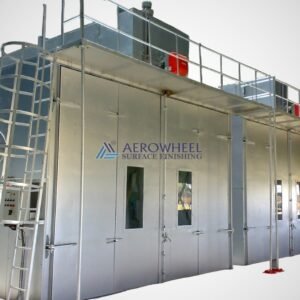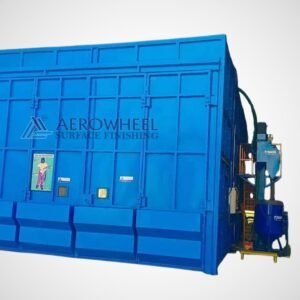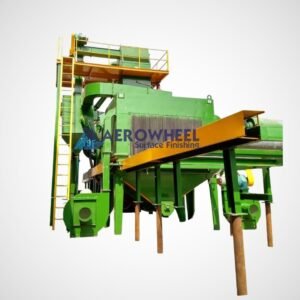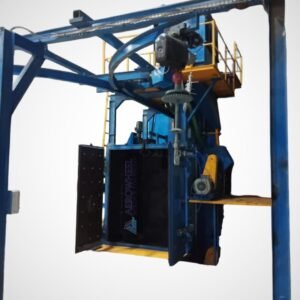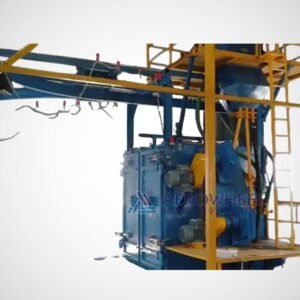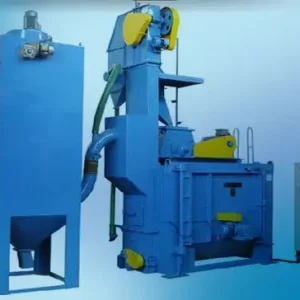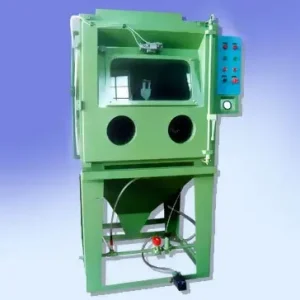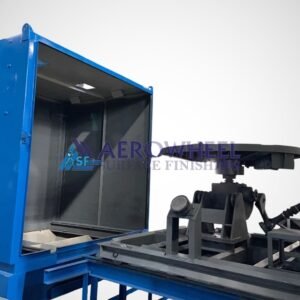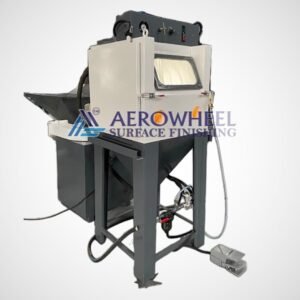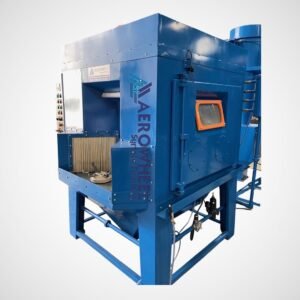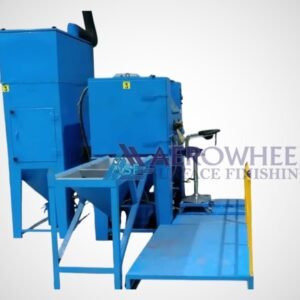




A wet blast cabinet is an essential piece of equipment for industries that require precision cleaning and high-quality surface finishing. By using a mixture of water and abrasive media, it delivers excellent cleaning performance while minimizing dust and protecting delicate components.
However, like any industrial machine, a wet blast cabinet requires regular maintenance to ensure consistent performance, longer equipment life, and reduced operating costs. Neglecting routine maintenance can lead to reduced cleaning efficiency, equipment breakdowns, and unnecessary production downtime.
At Aerowheel Surface Finishing, we recommend following a preventive maintenance schedule to keep your wet blast cabinet operating at peak performance.
Why Wet Blast Cabinet Maintenance Is Important
During operation, the cabinet continuously circulates water, abrasive media, and slurry through pumps, hoses, and nozzles. Over time, these components experience wear and may become clogged or less efficient.
Regular maintenance helps:
- Maintain consistent blasting performance
- Improve surface finishing quality
- Reduce unexpected machine failures
- Extend equipment lifespan
- Lower maintenance and repair costs
- Increase production efficiency
A well-maintained machine delivers reliable performance every day.
Inspect the Cabinet Before Every Shift
A quick inspection before starting work can help identify minor issues before they become major problems.
Check the following:
- Blast nozzle condition
- Slurry level inside the tank
- Water circulation
- Hoses and pipe connections
- Door seals and gaskets
- Viewing window condition
- Control panel indicators
If you notice leaks, unusual noises, or reduced blasting pressure, inspect the machine before continuing production.
Maintain the Water and Slurry Mixture
The cleaning performance of a wet blast cabinet depends on maintaining the correct mixture of water and abrasive media.
Regularly:
- Check the slurry consistency
- Maintain the recommended water level
- Remove excessive contaminants from the slurry
- Refill abrasive media when required
A balanced slurry mixture ensures uniform cleaning and consistent surface finishing.
Clean the Slurry Tank Regularly
Over time, rubber particles, metal dust, paint residue, and other contaminants settle inside the slurry tank.
Cleaning the tank helps:
- Prevent sludge buildup
- Improve slurry circulation
- Protect pumps from damage
- Maintain blasting efficiency
The cleaning frequency depends on machine usage and the type of material being processed.
Inspect Blast Nozzles for Wear
Blast nozzles gradually wear during operation, which affects blasting pressure and cleaning quality.
Signs that a nozzle should be replaced include:
- Reduced blasting performance
- Uneven spray pattern
- Increased abrasive consumption
- Longer cleaning cycles
Replacing worn nozzles at the right time improves efficiency and reduces operating costs.
Maintain the Pump System
The pump is responsible for circulating the abrasive slurry throughout the machine.
Regular maintenance includes:
- Inspecting pump seals
- Checking for leaks
- Monitoring pump pressure
- Listening for unusual noise or vibration
A properly maintained pump ensures stable slurry flow and consistent cleaning performance.
Check Hoses and Connections
Slurry hoses operate under continuous pressure and gradually wear with use.
Inspect hoses for:
- Cracks
- Leaks
- Loose fittings
- Blockages
- Abrasive wear
Replacing damaged hoses early helps prevent unexpected downtime.
Keep the Viewing Window Clean
A clear viewing window allows operators to monitor the blasting process safely and accurately.
Common Shot Blasting Machine Problems and How to Fix Them
What Abrasives Are Used in Shot Blasting Machines?
Regularly:
- Clean the viewing glass
- Replace worn protective films
- Inspect window seals
Good visibility improves both productivity and operator safety.
Monitor Abrasive Media Quality
Abrasive media gradually breaks down after repeated use.
Old or contaminated media may:
- Reduce cleaning efficiency
- Produce inconsistent finishes
- Increase blasting time
Regularly inspect the media and replace it when necessary to maintain optimal performance.
Inspect Electrical Components
Modern wet blast cabinets often include PLC controls, sensors, pumps, and electrical systems.
Routine inspection should include:
- Electrical wiring
- Control panels
- Switches
- Sensors
- Emergency stop functions
Electrical maintenance should always be carried out by qualified personnel.
Lubricate Moving Components
Mechanical parts such as hinges, rotating mechanisms, and bearings require proper lubrication.
Following the recommended lubrication schedule helps:
- Reduce friction
- Prevent premature wear
- Ensure smooth operation
- Extend machine life
Always use lubricants recommended by the equipment manufacturer.
Follow a Preventive Maintenance Schedule
A planned maintenance routine keeps the machine operating efficiently and minimizes unexpected breakdowns.
| Maintenance Task | Recommended Frequency |
|---|---|
| Visual inspection | Daily |
| Clean viewing window | Daily |
| Check slurry level | Daily |
| Inspect hoses and fittings | Weekly |
| Clean slurry tank | Weekly or as required |
| Inspect blast nozzle | Monthly |
| Check pump performance | Monthly |
| Lubricate moving parts | Monthly |
| Inspect electrical system | Quarterly |
| Complete preventive servicing | Annually or as recommended |
Maintaining a regular schedule improves reliability and extends equipment life.
Common Maintenance Mistakes to Avoid
Many maintenance problems can be prevented by avoiding common mistakes such as:
- Operating with worn blast nozzles
- Ignoring slurry contamination
- Delaying abrasive media replacement
- Skipping pump inspections
- Neglecting hose maintenance
- Ignoring minor leaks
- Postponing preventive servicing
Addressing small issues early helps avoid expensive repairs later.
Aerowheel Surface Finishing’s Maintenance Support
At Aerowheel Surface Finishing, we not only manufacture high-performance wet blast cabinets but also provide comprehensive maintenance support to ensure long-term reliability.
Our support includes:
- Preventive maintenance guidance
- Technical assistance
- Genuine spare parts
- Machine performance optimization
- After-sales service
We help customers maximize equipment uptime while maintaining consistent cleaning quality.
Final Thoughts
A wet blast cabinet is a long-term investment that delivers excellent surface preparation and finishing when maintained properly. Regular inspections, timely replacement of worn components, proper slurry management, and preventive servicing help improve cleaning performance, reduce downtime, and extend equipment life.
By following a structured maintenance routine, manufacturers can achieve better productivity, lower operating costs, and more consistent surface finishing results.
If you’re looking for reliable wet blast cabinets backed by expert technical support, Aerowheel Surface Finishing offers durable, high-performance solutions designed for long-term industrial use.