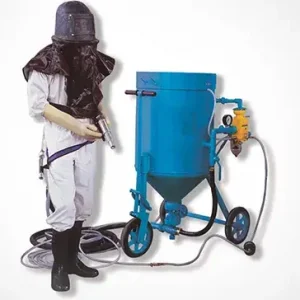




In sand blasting (abrasive blasting), many factors determine the quality of the finish—abrasive type, nozzle size, blasting angle, and surface preparation. But one of the most critical and often overlooked factors is nozzle pressure control.
At Aerowheel Surface Finishing, we understand that the right pressure not only improves efficiency but also protects the equipment and ensures a consistent, high-quality surface finish. Let’s break down why nozzle pressure control is so important in sand blasting.
What Does Nozzle Pressure Mean?
Nozzle pressure refers to the force with which compressed air and abrasive media exit the blasting nozzle. This pressure directly impacts:
- Cleaning speed
- Surface profile
- Abrasive consumption
- Operator safety
When pressure isn’t properly controlled, blasting performance and surface quality can drop significantly.
Why Nozzle Pressure Control Matters
1. Ensures Consistent Surface Finish
Different surfaces require different levels of aggression.
- High pressure removes coatings and rust quickly but may over-profile the surface.
- Low pressure provides a smoother finish but may not clean deep contaminants.
Controlling the pressure ensures the surface gets the exact profile needed for painting, coating, or polishing.
2. Prevents Damage to Sensitive Components
Too much pressure can:
- Warp thin metal sheets
- Pit delicate parts
- Remove more material than needed
Proper pressure control protects components while still achieving effective cleaning.
3. Improves Abrasive Efficiency
The right pressure ensures that abrasives hit the surface with optimal impact.
If pressure is too low → abrasive bounces off without cleaning properly.
If pressure is too high → abrasive breaks down faster, increasing consumption.
Benefits:
- Less abrasive wasted
- Lower operational costs
- Better blasting efficiency
4. Reduces Wear and Tear on Equipment
High pressure adds unnecessary stress on:
- Hoses
- Nozzles
- Valves
- Blast pot
- Compressor
Maintaining the recommended pressure increases equipment life and reduces maintenance expenses.
5. Enhances Operator Safety
Excessive pressure increases kickback and makes the nozzle harder to control.
Regulated pressure:
- Reduces fatigue
- Improves accuracy
- Minimizes accidents
A safer operator always delivers better results.
How We Customized a Shot Blasting System for a Jodhpur Client
The History and Evolution of Shot Blasting Technology
Most Common Abrasives Used in Sand Blasting
6. Achieves Faster and More Controlled Cleaning
The correct nozzle pressure helps balance:
- Speed
- Precision
- Abrasive usage
For heavy rust and scale, slightly higher pressure is ideal.
For finishing or polishing, lower pressure gives cleaner, smoother results.
Ideal Pressure Range for Sand Blasting
While each project differs, the most common working pressure range is:
80 PSI to 110 PSI
Lower than 80 PSI → inefficient cleaning
Higher than 110 PSI → unnecessary equipment stress
At Aerowheel, we calibrate pressure based on:
- Surface material
- Abrasive type
- Nozzle size
- Desired finish
How Aerowheel Surface Finishing Controls Pressure
We use:
- High-precision pressure regulators
- Regular equipment calibration
- Skilled operators trained in pressure techniques
- Real-time monitoring systems
This ensures every project gets uniform cleaning, improved coating adhesion, and optimal surface quality.
Final Thoughts
Nozzle pressure control is one of the most important aspects of high-quality, safe, and cost-effective sand blasting. When pressure is regulated correctly, industries achieve:
- Better cleaning
- Longer equipment life
- Reduced abrasive waste
- Consistent and reliable finishing
At Aerowheel Surface Finishing, we combine technical precision with industry expertise to deliver the perfect blasting performance for every surface.