



Sand blasting is a highly effective surface preparation method used across industries, but it involves powerful equipment, high-pressure systems, and abrasive materials. Without proper training, operators may face safety risks, equipment damage, or poor-quality results.
At Aerowheel Surface Finishing, we believe that skilled and safety-aware operators are the backbone of a successful blasting operation. Proper training not only prevents accidents but also improves productivity and ensures consistent surface finishing quality.
Here’s a complete guide on how to train operators for safe sand blasting practices.
1. Begin With Basic Equipment Knowledge
Before touching the machine, every operator must understand:
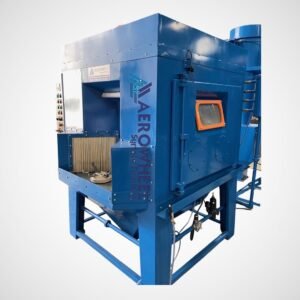
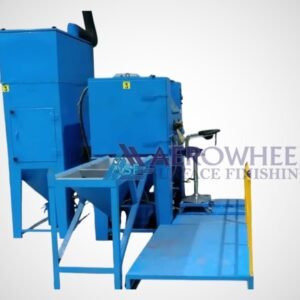
- Parts of a sand blasting machine
- Nozzle types and sizes
- Air compressor functions
- Hoses, couplings, and valves
- Abrasive types and their applications
A strong foundation reduces mistakes and improves confidence while working.
2. Teach Hazards and Safety Risks
Operators should clearly understand the potential risks involved in blasting:
- High-pressure air injuries
- Abrasive rebound
- Dust inhalation
- Noise exposure
- Equipment malfunction
- Confined space risks
Once they know the risks, they are more likely to follow safety rules carefully.
3. Mandatory Use of Personal Protective Equipment (PPE)
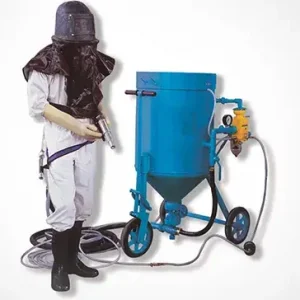
Training must include the correct use of essential PPE such as:
- Air-fed helmet or respirator
- Heavy-duty gloves
- Blast suit or protective clothing
- Ear protection
- Safety boots
- Safety goggles
Operators should learn how to inspect, wear, and maintain PPE properly.
4. Demonstrate Proper Blasting Techniques
Practical training is essential. Operators should be taught:
- Correct blasting angle (usually 45°–75°)
- Safe nozzle handling
- Maintaining distance from the surface
- Controlling nozzle pressure
- Consistent sweeping motion for even cleaning
These techniques ensure both quality results and reduced operator fatigue.
5. Emphasize Nozzle Pressure Control
Incorrect pressure is one of the biggest causes of blasting errors.
Operators must learn:
- Ideal pressure settings for different abrasives
- How to adjust regulators
- Recognizing pressure drops
- Avoiding over-pressure to prevent accidents
Proper pressure control equals safer and more efficient blasting.
6. Train on Abrasive Selection and Handling
Different surfaces require different abrasives. Operators should know:
Energy-Saving Tips for Shot Blasting Equipment
Safety Checklist for Operating a Shot Blasting Machine
Top 7 Reasons Why Shot Blasting Machines are Essential for Your Business
- When to use steel grit vs. glass beads
- How abrasive size affects finish
- How to load and store abrasives safely
- How to check for contamination
This knowledge leads to better results and reduced material waste.
7. Educate on Equipment Inspection and Maintenance
Every shift should begin with a safety check. Operators must be trained to inspect:
- Hoses and connections
- Nozzles for wear
- Valves and controls
- Air filters
- Blast pot integrity
- Dust collector performance
Regular checks prevent accidents and increase equipment lifespan.
8. Provide Real-Time Supervised Practice
Hands-on practice under supervision is essential.
New operators should start with:
- Low-pressure blasting
- Trial surfaces
- Observation-based corrections
Supervisors can then guide them toward full-capacity blasting.
9. Teach Emergency Response Procedures
Operators must be prepared for unexpected situations like:
- Hose bursts
- Abrasive clogging
- Equipment overheating
- Injury or PPE failure
- Dust collector malfunction
Clear procedures ensure quick action and minimal risk.
10. Encourage Continuous Training and Certification
Technology and safety standards evolve.
Regular training sessions should include:
- Updated safety guidelines
- New blasting techniques
- Advanced equipment features
- Workplace safety certifications
Continuous learning keeps operators sharp, safe, and efficient.
Final Thoughts
A safe and successful sand blasting operation depends on well-trained operators. Proper training minimizes risks, improves surface quality, reduces downtime, and protects both workers and equipment.
At Aerowheel Surface Finishing, we prioritize safety through rigorous operator training, advanced equipment, and industry-standard best practices.