



Paint spray booth filters may look like a small component, but in reality, they play a major role in paint quality, worker safety, and environmental compliance. Without proper filters, even a well-designed spray booth cannot perform efficiently.
At Aerowheel Surface Finishing, we often explain to clients that filters are not just for dust control—they are essential for maintaining clean airflow, controlling overspray, and achieving consistent coating results.
What Are Paint Spray Booth Filters?
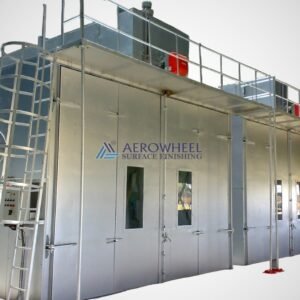
Paint spray booth filters are specially designed materials installed in the air intake and exhaust sections of a spray booth. Their job is to clean the air entering the booth and trap paint particles and fumes before air exits the system.
In simple terms, filters make sure that:
- Clean air reaches the painted surface
- Contaminated air does not return to the booth or environment
This balance is critical for both quality and safety.
How Paint Spray Booth Filters Work
The filtering process works in two main stages.
First, intake filters clean the incoming air. These filters remove dust, dirt, and airborne particles before air enters the painting zone. This prevents contamination from settling on wet paint.
Second, exhaust filters capture paint overspray and particles generated during spraying. As air moves toward the exhaust system, filters trap paint solids while allowing clean air to pass through safely.
This continuous filtering cycle keeps the booth air clean and stable throughout painting operations.
Types of Filters Used in Paint Spray Booths
Different filters are used depending on their position and function inside the booth.
Intake air filters are placed at the air entry points. They ensure that only clean air flows over the painted component, which directly improves surface finish quality.
Overspray or exhaust filters are installed at the exhaust end. They capture paint mist, preventing it from spreading inside the booth or being released into the environment.
In some industrial booths, multi-stage filtration systems are used to improve efficiency and extend filter life.
Why Filters Are Critical for Paint Finish Quality
Paint particles are extremely sensitive to contamination. Even fine dust can cause visible defects such as rough texture, pinholes, and dull finishes.
Proper filters:
- Keep dust away from wet paint
- Prevent overspray from settling back on the surface
- Maintain consistent airflow
This results in smoother finishes, uniform coating thickness, and fewer defects.
Filters Protect Worker Health and Safety
Paint fumes and overspray often contain harmful chemicals. Without effective filtration, these contaminants remain in the breathing zone of operators.
Spray booth filters help by:
Downdraft Painting Booths at AeroWheel Surface Finishing: The Pinnacle of Quality and Precision
Used vs New Shot Blasting Machines – Which Is Better for Your Business?
The Impact of Shot Blasting Machines on Corrosion Prevention: Insights from Indian Manufacturers
- Capturing paint particles
- Reducing airborne fumes
- Supporting proper ventilation
Clean air inside the booth significantly reduces health risks and creates a safer working environment.
Environmental Compliance Depends on Filters
Most pollution control and environmental regulations require industries to prevent paint particles and harmful vapors from being released into the atmosphere.
High-quality exhaust filters help industries:
- Meet environmental standards
- Reduce air pollution
- Avoid regulatory penalties
Filters are often the first thing inspectors check during compliance audits.
Filters Also Affect Booth Performance and Energy Use
Clogged or low-quality filters restrict airflow. This forces exhaust fans to work harder, increasing energy consumption and reducing booth efficiency.
Well-designed filters maintain proper airflow while capturing contaminants effectively. This keeps the spray booth running smoothly and reduces operating costs.
Importance of Regular Filter Maintenance
Even the best filters need regular inspection and replacement. Overused filters reduce airflow and compromise paint quality.
Proper maintenance ensures:
- Stable airflow
- Consistent paint results
- Longer equipment life
- Lower risk of sudden breakdowns
Ignoring filter maintenance often leads to quality issues and production delays.
Aerowheel Surface Finishing’s Filter Selection Approach
At Aerowheel Surface Finishing, we select spray booth filters based on:
- Paint type and overspray volume
- Booth airflow design
- Safety and environmental requirements
- Ease of maintenance
Our goal is to ensure reliable filtration without compromising performance or efficiency.
Final Thoughts
Paint spray booth filters are essential for achieving clean finishes, protecting workers, maintaining airflow, and meeting environmental regulations. They may seem like a minor component, but their impact on paint quality and safety is enormous.
A well-designed spray booth with the right filtration system delivers consistent results, lower rework, and a safer workplace.
If you want a paint spray booth that performs reliably in real industrial conditions, Aerowheel Surface Finishing provides filtration solutions designed for quality, safety, and long-term efficiency.