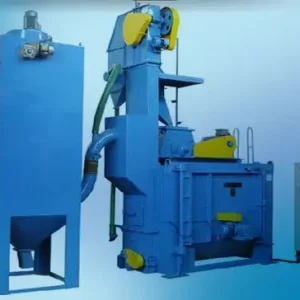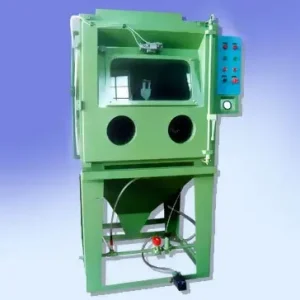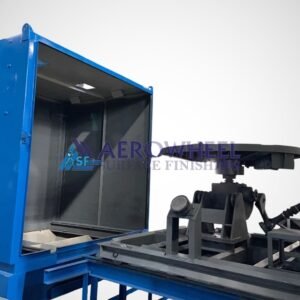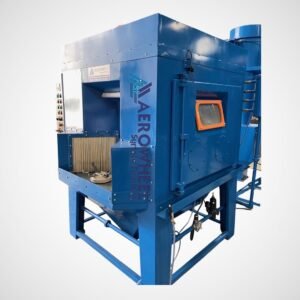




Sand blasting is widely used across industries to clean metal surfaces, remove rust, and prepare components for painting or coating. However, traditional sand blasting methods, especially those using silica sand and open blasting practices, can have a notable environmental impact. Today, industries are switching to safer, sustainable alternatives that reduce pollution, lower abrasive waste, and improve workplace safety.
At Aerowheel Surface Finishing, we promote eco-friendly blasting technologies designed for modern industrial needs. This article explains the environmental impact of sand blasting and the modern alternatives that improve sustainability without compromising performance.
1. Environmental Issues with Traditional Sand Blasting
a. Dust Generation and Air Pollution
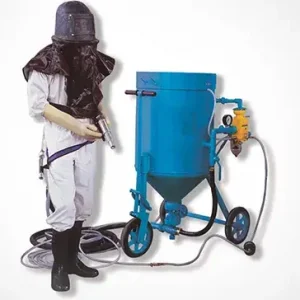
Traditional sand blasting, especially open blasting, releases a large amount of dust into the air.
Silica dust exposure can cause:
- Airborne particulate pollution
- Health risks to workers
- Reduced visibility
In the long term, excessive dust can affect surrounding areas and violate industrial emission norms.
b. Silica Sand Hazard
Silica sand has been banned in many countries for abrasive blasting because it can cause silicosis, a serious lung disease.
Using silica sand can:
- Create very fine dust particles
- Cause respiratory damage
- Require special disposal and safety systems
This led to a shift toward safer abrasive media.
c. Waste Disposal Challenges
Open blasting produces a mix of:
- Used sand
- Metal dust
- Rust particles
- Paint flakes
- Oil and chemical residues
Disposing of this waste requires controlled handling to avoid soil and water contamination.
d. High Abrasive Consumption
Traditional blasting uses abrasive once and discards it.
This results in:
- Excessive raw material consumption
- Higher operating costs
- More industrial waste
Recycling systems were not widely used with old blasting techniques.
e. Noise Pollution
Sand blasting machines generate high noise levels, especially in open areas.
This affects:
- Operator safety
- Nearby working environments
- Industrial noise compliance standards
Good soundproofing and enclosed systems are needed to reduce noise.
2. Modern Eco-Friendly Alternatives in Sand Blasting
Industries are now adopting new technologies and methods that reduce environmental impact and improve efficiency.
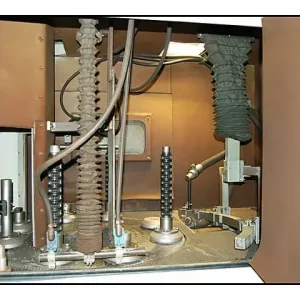
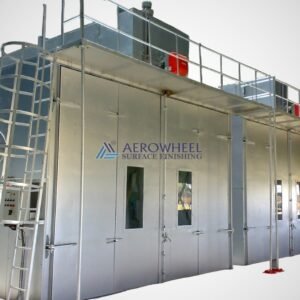
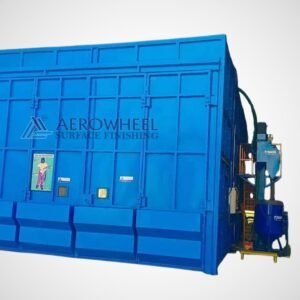
a. Closed-Loop Blast Rooms
Instead of blasting in open areas, industries use closed blast rooms:
- Dust remains inside the chamber
- Air passes through dust collectors
- Abrasive is recovered and reused
- Minimal dust reaches the environment
This creates a controlled, clean blasting process.
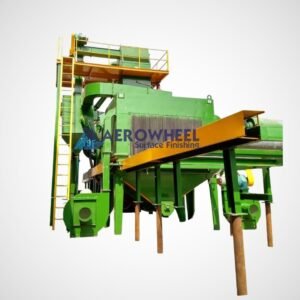
b. Abrasive Recovery Systems
Modern blasting systems include recovery systems that:
- Collect used abrasive automatically
- Clean it using separators and filters
- Recycle it 100–500 times
Benefits include:
- Lower abrasive consumption
- Less industrial waste
- Smaller environmental footprint
c. Safer Abrasive Materials
Today, sand blasting uses safe alternatives instead of silica sand:
- Steel grit
- Steel shot
- Garnet
- Aluminum oxide
- Copper slag
- Glass beads
- Walnut shells (organic media)
These abrasives generate less harmful dust, are reusable, and offer better performance.
d. Wet Blasting Systems
Wet blasting mixes water with abrasive to suppress dust:
Types of Filters Used in Paint Spray Booths
Why Paint Spray Booths Are Mandatory for Industrial Coating
Why Choose Aerowheel Surface Finishing for Your Shot Blasting Needs?
- Eliminates airborne dust
- Improves operator safety
- Clean finish with reduced environmental pollution
Ideal for:
- Outdoor blasting
- Sensitive environments
- Marine applications
e. Dust Collector Systems
Modern blasting setups use:
- Cartridge dust collectors
- Bag filters
- Cyclone separators
They capture:
- Fine dust
- Paint particles
- Rust
Filtered air is released safely, ensuring compliance with air quality standards.
f. Noise Control and Soundproofing
Enclosed blast rooms with insulation reduce noise pollution dramatically.
Operator cabins, silencers, and acoustic panels help meet:
- Factory noise norms
- Worker safety standards
g. Green Coatings and Surface Treatments
Better surface preparation using eco-friendly blasting reduces the need for:
- Repainting
- Coating failures
- Additional chemical cleaning
This reduces the overall environmental load over the product lifecycle.
3. Benefits of Modern Blasting Alternatives
Industries adopting modern blasting technologies enjoy multiple advantages:
- Reduced dust and toxic emissions
- Lower health risks for workers
- High abrasive recycling rate
- Lower long-term operational cost
- Compliance with environmental regulations
- Better coating adhesion and surface quality
- Increased production efficiency
It also improves a company’s sustainability image and reduces legal risks.
4. Environmental Regulations and Compliance
Many regions now enforce strict:
- Air pollution norms
- Waste disposal rules
- Worker safety guidelines
Industries must follow standards such as:
- IS/ISO blasting standards
- Pollution Control Board regulations
- Factories Act safety rules
Using modern blasting systems makes compliance easier and faster.
5. How Aerowheel Surface Finishing Supports Sustainability
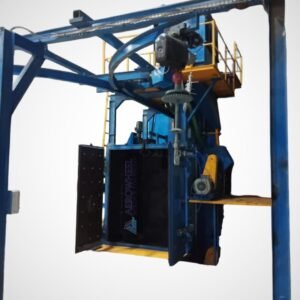
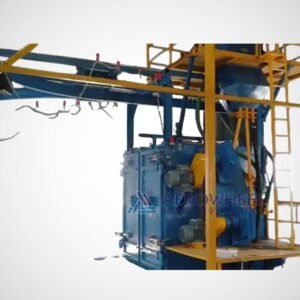
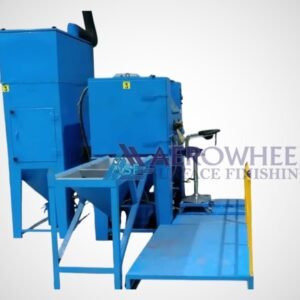
At Aerowheel Surface Finishing, we design blasting systems that:
- Use high-efficiency dust collectors
- Feature full abrasive recovery
- Reduce energy consumption
- Offer closed, leak-proof blast rooms
- Support eco-friendly abrasive options
- Improve safety and reduce emissions
By upgrading from traditional sand blasting to modern systems, industries can significantly reduce environmental impact while improving performance.
Conclusion
Traditional sand blasting methods can create dust, waste, and health risks. However, modern technologies like blast rooms, recovery systems, wet blasting, and eco-friendly abrasives have transformed surface preparation into a clean, safe, and sustainable process.
Industries aiming for better environmental performance and regulatory compliance should invest in next-generation blasting systems designed for efficiency and safety.
At Aerowheel Surface Finishing, we help companies adopt sustainable blasting solutions suited to Indian industrial environments—ensuring cleaner air, lower waste, and better results.