



When industries plan surface preparation or abrasive blasting work, one common question arises:
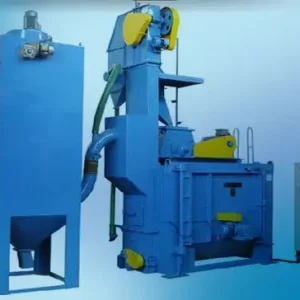
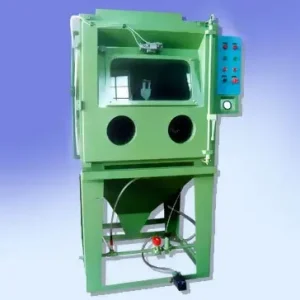
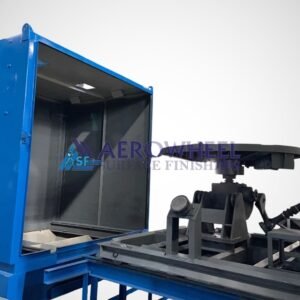
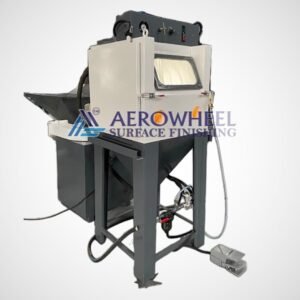
Should we choose open blasting or an enclosed blast room system?
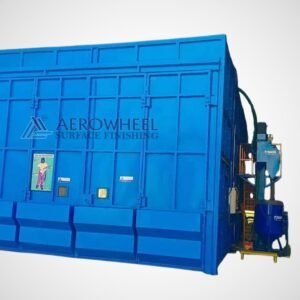
Both methods are used for sand blasting, but they differ greatly in terms of safety, cost, quality, efficiency, and environmental control. Understanding these differences helps industries choose the right solution for long-term performance and compliance.
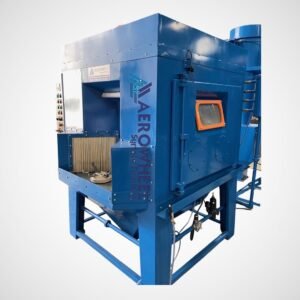
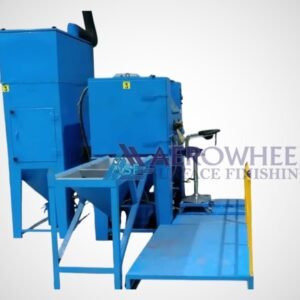
At Aerowheel Surface Finishing, we guide clients toward the most practical and cost-effective blasting solutions. Below is a clear comparison in table format to help you decide.
Open Blasting vs Enclosed Blast Room Systems – Detailed Comparison Table
| Comparison Factor | Open Blasting | Enclosed Blast Room System |
|---|---|---|
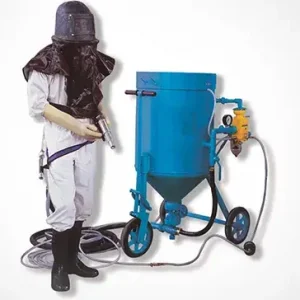
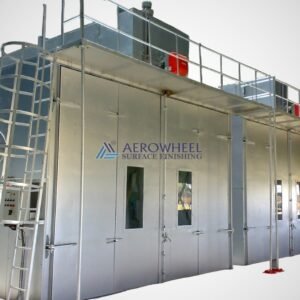
| Blasting Environment | Performed in open or semi-open areas, often outdoors | Performed inside a fully enclosed, controlled room |
| Dust Control | Very limited dust control, dust spreads into surroundings | Advanced dust collectors capture and filter dust efficiently |
| Operator Safety | Higher risk due to flying abrasives and dust inhalation | High safety with controlled airflow, PPE support, and enclosed space |
| Environmental Impact | Dust pollution affects nearby areas and environment | Environment-friendly with proper filtration and containment |
| Surface Finish Quality | Inconsistent results due to weather and visibility issues | Uniform and repeatable surface finish |
| Abrasive Reusability | Abrasives are mostly wasted after one use | Abrasives are recovered, cleaned, and reused multiple times |
| Productivity | Slower due to setup time, cleanup, and interruptions | High productivity with continuous and controlled operation |
| Weather Dependency | Highly affected by wind, rain, and humidity | Not affected by weather conditions |
| Operational Cost (Long Term) | Lower initial cost but higher long-term expenses | Higher initial cost but lower long-term operating cost |
| Maintenance & Cleanup | Requires frequent area cleanup | Minimal cleanup due to integrated recovery systems |
| Compliance with Safety Regulations | Difficult to meet safety and environmental norms | Easy compliance with industrial safety and pollution standards |
| Suitable Applications | Large on-site structures, temporary jobs | Manufacturing plants, workshops, high-volume blasting |
| Overall Efficiency | Moderate efficiency for short-term use | High efficiency for continuous industrial operations |
When Open Blasting Is the Right Choice
Open blasting is suitable when:
- The structure is too large to move
- On-site blasting is required
- The job is temporary
- Initial investment must be very low
However, it is not ideal for long-term or high-volume industrial use.
When Enclosed Blast Room Systems Are the Better Option
Enclosed blast rooms are the preferred choice when:
- Worker safety is a priority
- Consistent surface quality is required
- Abrasive reuse is important
- Environmental regulations must be followed
- Continuous production is involved
For most modern industries, enclosed blast rooms deliver better ROI and performance.
Role of Exhaust Systems in Industrial Paint Booths
Sand Blasting vs Shot Blasting: Which is Right for You?
How to Train Operators for Safe Sand Blasting Practices
Aerowheel Surface Finishing Recommendation
At Aerowheel Surface Finishing, we strongly recommend enclosed blast room systems for industries that focus on:
- Long-term cost savings
- Safety compliance
- High-quality surface finishing
- Energy-efficient and dust-controlled operations
Open blasting should be limited to specific, short-duration, or on-site requirements.
Final Conclusion
While open blasting may seem cost-effective initially, enclosed blast room systems provide better safety, cleaner operations, higher efficiency, and lower long-term costs. For modern industries aiming for quality and compliance, enclosed blast rooms are the smarter investment.