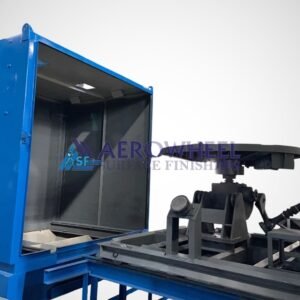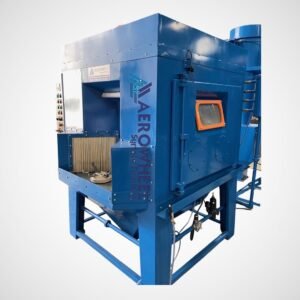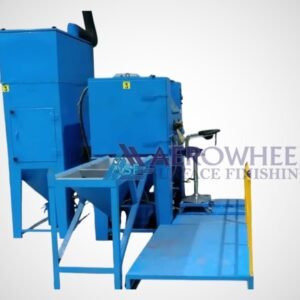




Surface preparation is a critical step in industries such as automotive, fabrication, aerospace, metal finishing, and precision manufacturing. Two of the most commonly used blasting methods are sand blasting and glass bead blasting. While both are effective, they serve very different purposes and produce different finishes.
Choosing the right method depends on your material type, surface finish requirement, cleaning intensity, and final application.
Here’s a clear comparison to help you decide which process is best for your operation.
1. What Is Sand Blasting?
Sand blasting uses abrasive materials such as:
- Steel grit
- Steel shot
- Garnet
- Copper slag
- Aluminum oxide
These abrasives are angular or aggressive, making sand blasting ideal for:
- Rust removal
- Mill scale cleaning
- Heavy paint stripping
- Surface profiling before coating
Sand blasting creates a rough anchor profile, allowing coatings to bond strongly to the metal.
2. What Is Glass Bead Blasting?
Glass bead blasting uses spherical glass beads made from lead-free, soda-lime glass. Unlike sand blasting abrasives, glass beads are non-aggressive and impact the surface softly.
They are best for:
- Fine finishing
- Peening
- Cleaning delicate surfaces
- Achieving a satin or matte look
Glass bead blasting does not remove deep rust or heavy scale but delivers an excellent cosmetic finish.
Key Differences Between Sand Blasting and Glass Bead Blasting
Here is a detailed comparison:
1. Cleaning Strength
Sand Blasting
- Very aggressive
- Removes rust, scale, thick coatings
- Suitable for heavy industrial cleaning
Glass Bead Blasting
- Gentle cleaning
- Removes light rust, oil, and minor contaminants
- Does not remove deep corrosion
Best For: Heavy-duty vs. light-duty cleaning
2. Surface Profile and Finish
Sand Blasting
- Produces a rough surface
- Creates strong anchor profile for paint or powder coating
- Ideal before industrial coatings or galvanizing
Glass Bead Blasting
- Produces a smooth, satin-like finish
- Does not damage the base metal
- Ideal for cosmetic surfaces
Best For: Functional coating prep vs aesthetic finishing
3. Material Suitability
Sand Blasting
Suitable for:
Unveiling the Powerhouse: Airless Swing Table Shot Blasting Machine Manufacturers in Jodhpur
Shot Blasting Process for Automotive Components – Step-by-Step
How to Increase the Efficiency of Your Shot Blasting Machine
- Structural steel
- Cast iron
- Forged parts
- Machinery parts
- Automotive frames
Not ideal for soft metals.
Glass Bead Blasting
Suitable for:
- Stainless steel
- Aluminum
- Brass
- Aerospace components
- Medical instruments
Safe for delicate surfaces.
4. Impact on Surface
Sand Blasting
- Cuts into the surface
- Can remove metal if pressure is too high
- Ideal for creating anchor pattern
Glass Bead Blasting
- Peens the surface
- Improves fatigue strength
- Does not remove metal
Best For: Cleaning with minimal surface distortion
5. Application Goals
Choose Sand Blasting When You Need:
- Rust and scale removal
- Heavy-duty cleaning
- Coating adhesion (SA 2.5 or SA 3)
- Industrial corrosion protection
Choose Glass Bead Blasting When You Need:
- Decorative finish
- Smooth, polished look
- Cleaning precision parts
- Peening to increase fatigue strength
6. Abrasive Reusability
Sand Blasting
Abrasive recyclability depends on material:
- Steel grit/shot: highly reusable (up to 500 cycles)
- Mineral abrasives: less reusable
Glass Beads
- Can be reused many times if pressure is controlled
- Minimal breakdown rate
Best For: Long-term cost efficiency on delicate jobs
7. Safety & Environmental Impact
Sand Blasting
- Generates more dust
- Requires dust collectors
- Must avoid silica sand
Glass Bead Blasting
- Creates low dust
- Eco-friendly
- Non-toxic and lead-free
Best For: Cleaner and safer work environments
Which Process Is Best for You?
Choose Sand Blasting if your goal is:
- Heavy rust removal
- Surface preparation for coating
- Cleaning industrial steel structures
- Fast material removal
- Preparing parts for painting or powder coating
Choose Glass Bead Blasting if your goal is:
- Fine finishing and surface cosmetics
- Cleaning without removing metal
- Polishing aluminum or stainless steel
- Peening for strength
- Achieving a satin or matte appearance
Practical Examples
Sand Blasting is ideal for:
- Structural steel fabrication
- Bridges, towers, tanks
- Automotive chassis
- Castings and forgings
- Pre-coating preparation
Glass Bead Blasting is ideal for:
- Stainless steel kitchen equipment
- Aerospace turbine parts
- Aluminum automotive parts
- Medical devices
- Decorative metal products
Conclusion
Both sand blasting and glass bead blasting offer unique advantages, but the best choice depends on your industrial application and desired surface finish.
- Sand blasting delivers aggressive cleaning and strong surface preparation.
- Glass bead blasting provides smooth, aesthetic, and non-destructive cleaning.
At Aerowheel Surface Finishing, we help industries choose the right blasting method, abrasive media, and machine design to match their production needs and quality goals.