



Many manufacturing and fabrication units still carry out painting in open or semi-controlled areas to save initial costs. While this may seem practical in the short term, painting without a paint spray booth creates multiple problems that directly affect quality, safety, productivity, and compliance.
At Aerowheel Surface Finishing, we often see industries struggle with recurring paint defects and operational issues simply because painting is done without a proper spray booth. Let’s understand the most common problems faced when a paint spray booth is not used.
Poor Paint Finish Quality
One of the biggest issues without a paint spray booth is inconsistent paint quality. Open environments allow dust, dirt, and airborne particles to settle on wet paint. This leads to rough textures, uneven coating thickness, visible defects, and poor appearance.
Even skilled painters cannot achieve consistent results without a controlled environment, resulting in surfaces that fail quality checks.
High Rework and Repainting Costs
When paint finishes come out defective, rework becomes unavoidable. Components often need sanding, repainting, or complete re-coating.
This increases:
- Paint consumption
- Labor cost
- Production time
Over time, rework costs become much higher than the investment required for a proper paint spray booth.
Uncontrolled Paint Overspray
Without a spray booth, overspray spreads freely across the workspace. Paint particles settle on nearby equipment, floors, walls, and other components.
This causes:
- Material wastage
- Messy work areas
- Additional cleaning effort
- Risk of contaminating other products
Uncontrolled overspray reduces efficiency and increases maintenance workload.
Health Risks to Workers
Industrial paints contain solvents and chemicals that release harmful fumes during spraying. In open painting areas, these fumes remain in the breathing zone of workers.
Prolonged exposure can lead to:
- Respiratory problems
- Skin and eye irritation
- Long-term health issues
Without proper ventilation and filtration, worker safety is seriously compromised.
Difficulty in Meeting Safety and Pollution Regulations
Most industrial safety and pollution control authorities require controlled painting environments. Open painting areas often fail to meet these standards.
This can result in:
- Regulatory warnings
- Fines or penalties
- Production stoppages
- Problems during audits and inspections
Lack of compliance puts the entire manufacturing operation at risk.
Inconsistent Drying and Curing
Paint drying depends heavily on airflow, temperature, and humidity. In open areas, these factors are unpredictable.
How to Choose the Right Shot Blasting Machine Manufacturer in Rajasthan
How Aerowheel Serves the Sand Blasting Market in Jodhpur
Sand Blasting Services in Jodhpur – What Local Businesses Need to Know
As a result:
- Paint dries unevenly
- Coating performance is reduced
- Adhesion problems occur
This directly affects the durability and protective function of the coating.
Lower Productivity and Workflow Disruptions
Painting without a spray booth often causes interruptions due to weather, dust, cleaning requirements, and rework.
Production flow becomes unpredictable, deadlines are missed, and overall efficiency drops. Operators spend more time managing problems than completing painting jobs.
Higher Long-Term Operating Costs
Although open painting may look cost-effective initially, long-term expenses increase due to:
- Paint wastage
- Frequent rework
- Health-related issues
- Compliance challenges
- Increased maintenance
In most cases, these hidden costs exceed the cost of installing a proper spray booth.
Negative Impact on Brand and Product Image
Poor paint quality reflects badly on the final product. Customers notice uneven finishes, defects, and early paint failures.
This can damage brand reputation, reduce customer trust, and impact repeat business—especially in competitive industrial markets.
Why a Paint Spray Booth Solves These Problems
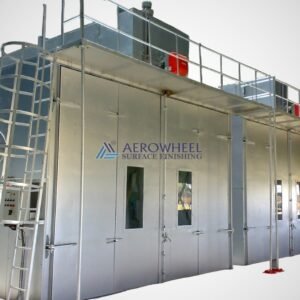
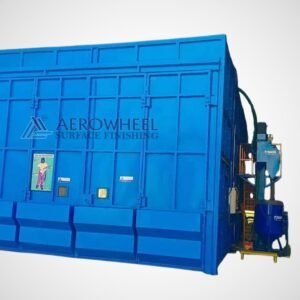
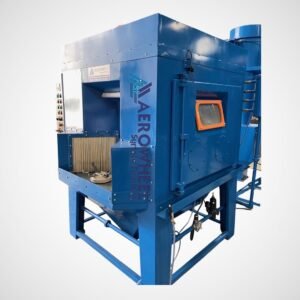
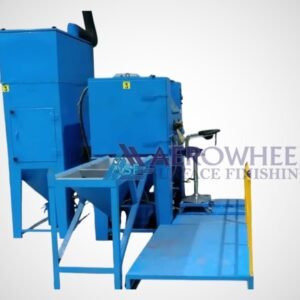
A paint spray booth provides a controlled environment where airflow, dust, overspray, and fumes are managed efficiently. This results in:
- Consistent and high-quality finishes
- Safer working conditions
- Reduced paint wastage
- Regulatory compliance
- Predictable production output
Aerowheel Surface Finishing’s Expert Insight
At Aerowheel Surface Finishing, we strongly recommend paint spray booths for any industry serious about quality, safety, and long-term efficiency. Our booth solutions are designed to eliminate the problems commonly faced in open painting setups.
Final Thoughts
Painting without a paint spray booth may save money initially, but it creates multiple operational, quality, and safety problems in the long run. Poor finishes, high rework costs, health risks, and compliance issues can severely impact manufacturing performance.
Investing in a paint spray booth is not an expense—it is a solution that improves quality, protects workers, and supports sustainable industrial growth.
If you want to eliminate painting problems and achieve consistent results, Aerowheel Surface Finishing offers paint spray booth solutions built for real industrial needs.