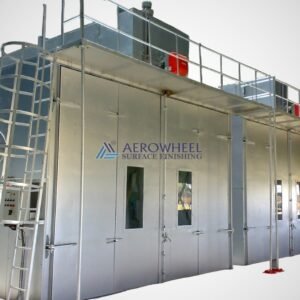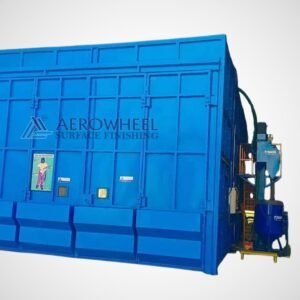




Airflow design is the heart of a paint spray booth. Even if you use high-quality paint and skilled operators, poor airflow can ruin the paint finish. Dust marks, uneven coating, overspray settling back on the surface, and slow drying are all signs of improper airflow.
At Aerowheel Surface Finishing, we often explain airflow design in simple terms because once it’s understood correctly, choosing and operating a paint spray booth becomes much easier.
What Is Airflow Design in a Paint Spray Booth?
Airflow design refers to how clean air enters the paint spray booth, how it moves across the painted component, and how it exits the booth along with overspray and fumes.
The goal is simple:
Fresh air should move smoothly across the painted surface and carry paint mist and fumes away without disturbing the coating.
When airflow is stable and predictable, paint settles evenly and dries properly.
Why Airflow Is So Important for Paint Quality
Paint particles are extremely light. Even small air disturbances can push them away from the surface or cause them to settle unevenly.
Proper airflow design helps to:
- Maintain uniform paint application
- Prevent dust from settling on wet paint
- Control overspray
- Improve coating thickness consistency
- Speed up drying
Without controlled airflow, achieving professional paint quality becomes almost impossible.
How Airflow Actually Works Inside a Spray Booth
Clean air enters the booth through intake filters. This air moves in a fixed direction at a controlled speed. As the painter sprays paint, the airflow captures excess paint particles and fumes and pulls them toward the exhaust filters.
The exhaust system then removes contaminated air safely, either releasing it outside after filtration or recirculating it in a controlled manner.
This continuous air movement keeps the painting zone clean and stable.
Common Types of Airflow Design in Paint Spray Booths
Different spray booths use different airflow patterns based on application and budget.
Cross-draft airflow moves air horizontally from one end of the booth to the other. It is simple and cost-effective but offers moderate control.
Down-draft airflow moves air from the ceiling straight down to the floor. This design offers the best paint finish quality and excellent overspray control.
Side-draft airflow pulls air from the ceiling and exhausts it through side walls, offering better control than cross-draft and good space efficiency.
Each airflow type has its use, but the key is that airflow remains smooth and balanced.
Common Questions About Sand Blasting Machines – Answered
Applications of Wet Blast Cabinets in Precision Industries
How Shot Blasting Machines are Used in Agriculture
Airflow Speed Matters More Than You Think
Too much airflow can disturb wet paint and cause dry spray or uneven coating. Too little airflow allows overspray and fumes to linger inside the booth.
A well-designed spray booth maintains the right airflow speed so that paint settles gently on the surface while overspray is removed efficiently. This balance is critical for both finish quality and operator comfort.
Role of Filters in Airflow Design
Filters are an essential part of airflow design. Intake filters clean the incoming air, while exhaust filters capture paint particles.
If filters are poorly designed or clogged, airflow becomes uneven. This leads to pressure imbalance, dust contamination, and inconsistent paint results.
Good airflow design always includes proper filter selection and easy maintenance access.
How Proper Airflow Improves Safety and Efficiency
Controlled airflow not only improves paint quality but also protects workers. It removes harmful fumes from the breathing zone and reduces fire and health risks.
From an efficiency point of view, good airflow reduces rework, lowers paint wastage, and improves productivity by ensuring predictable drying and curing conditions.
Aerowheel Surface Finishing’s Airflow Design Approach
At Aerowheel Surface Finishing, airflow design is never guessed—it is engineered. We focus on:
- Balanced air entry and exit
- Uniform airflow across the workpiece
- Efficient overspray removal
- Energy-efficient fan selection
- Long-term performance stability
This ensures consistent paint quality across all production batches.
Final Thoughts
Airflow design is the most critical factor in the performance of a paint spray booth. It controls paint quality, coating thickness, drying speed, safety, and efficiency.
When airflow is designed correctly, painting becomes smoother, cleaner, and more predictable. When it’s ignored, even the best equipment fails to deliver results.
For manufacturers who want reliable paint finishes and trouble-free operations, understanding and investing in proper airflow design is essential.
If you are planning a new spray booth or upgrading an existing one, Aerowheel Surface Finishing provides airflow-optimized paint spray booth solutions designed for real industrial needs.