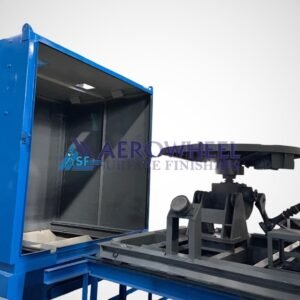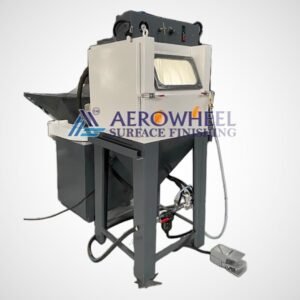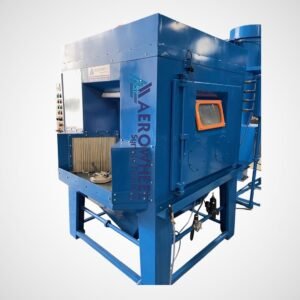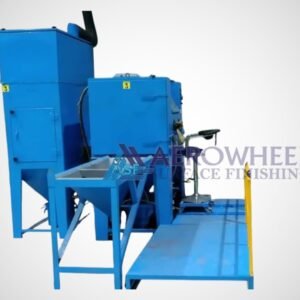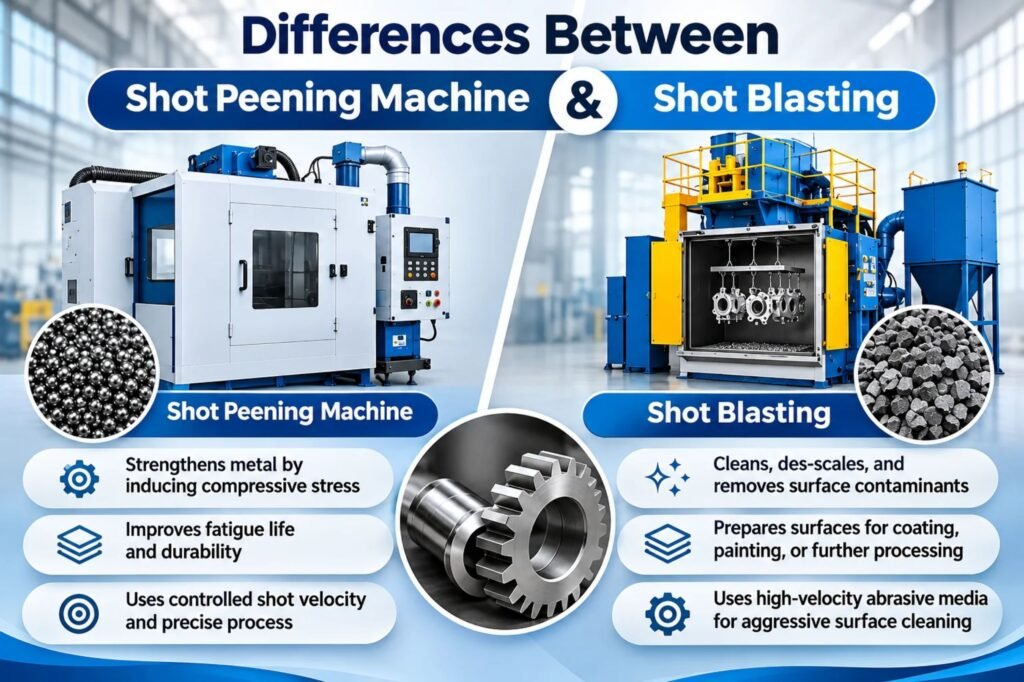





Quick answer: Shot blasting cleans and prepares a surface by removing rust, scale and old coatings. Shot peening strengthens the metal itself by creating compressive stress in the surface layer, which improves fatigue life. Both use high-speed media, but the goals, controls and results are different.
What Is Shot Blasting?
Shot blasting propels abrasive media at a part to clean it, descale it or roughen it for coating. The media can be angular (steel grit) or round (steel shot), depending on the finish needed.
A shot blasting machine usually works in one of two ways:
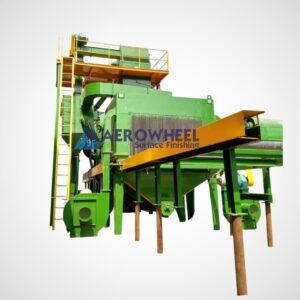
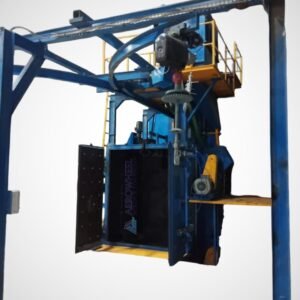
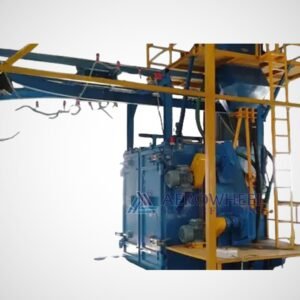
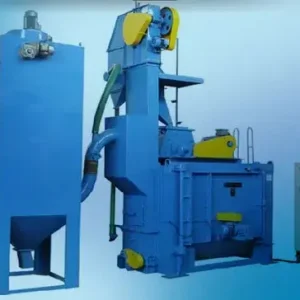
- Wheel-based (airless): a spinning blast wheel throws the media by centrifugal force. This suits high-volume cleaning of castings, forgings and fabricated parts.
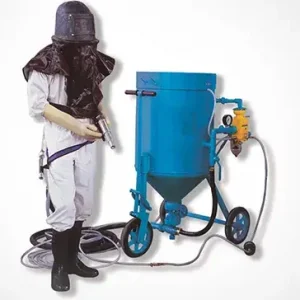
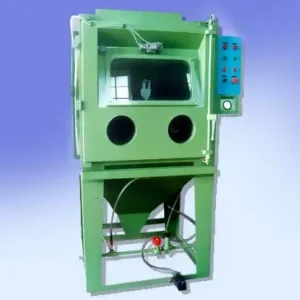
- Air-based: compressed air drives the media through a nozzle, as in a portable sand blasting machine, which is practical for on-site and detailed work.
The result is a clean, uniformly textured surface that helps paint, powder coating or plating adhere.
What Is Shot Peening?
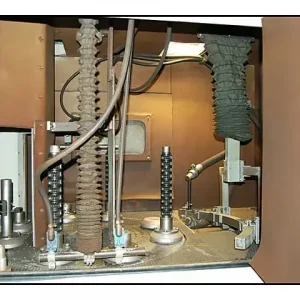
Shot peening is a cold-working process. Small, round media strikes the surface and leaves tiny dimples. The surface layer is stretched by each impact, while the metal beneath pushes back. This creates a layer of compressive residual stress.
Cracks rarely start or grow in a compressed surface, so components last longer under repeated loading. A shot peening machine is therefore chosen for parts such as gears, springs, crankshafts, connecting rods and turbine components.
Peening can also be used to form or straighten parts, a technique known as peen forming.
Shot Peening vs Shot Blasting: Key Differences
| Factor | Shot blasting | Shot peening |
| Main goal | Cleaning and surface preparation | Strengthening and fatigue-life improvement |
| Media | Angular grit or round shot | Round, uniform shot only |
| Process control | Moderate | Very tight and measured |
| Surface effect | Cleans and roughens | Induces compressive stress |
| Measured by | Cleanliness and surface profile | Almen intensity and coverage |
| Typical parts | Castings, structural steel, fabrications | Gears, springs, shafts, aerospace parts |
| Cost and complexity | Lower | Higher |
Why control matters: In shot peening, the strength of the impact is measured with Almen test strips, and the surface must be covered to a specified percentage. Media size, roundness, velocity and exposure time are monitored throughout. In shot blasting, a few variations are usually tolerated because the target is a clean surface, not a stressed one.
Which Industries Use Each Process?
Shot blasting is widely used in:
- Foundries and forges, for removing sand and scale
- Fabrication and construction, for descaling steel before painting
- Automotive, for cleaning wheels and chassis parts
Shot peening is widely used in:
- Aerospace, for landing gear and turbine parts
- Automotive, for gears, valve springs and driveline components
- Energy and heavy engineering, for shafts and highly stressed parts
Many plants use both. A forged component may be shot blasted to remove scale, then peened to increase fatigue strength, and finally coated in a paint spray booth and oven.
Can Shot Blasting Replace Shot Peening?
No. Shot blasting can clean a part, but its control level is not designed to deliver measurable compressive stress. The reverse also holds: peening is not used as a primary cleaning method, because round, controlled media is slower and costlier for descaling.
Why Sand Blasting Is Ideal for Pre-Painting Surface Preparation
Types of Shot Blasting Machines and Their Uses
Case Study: How a Jodhpur-Based Auto Unit Increased Productivity with Shot Blasting
How to Choose Between Shot Peening and Shot Blasting
- Define the goal. If the aim is a clean, paint-ready surface, choose shot blasting. If the aim is longer fatigue life, choose shot peening.
- Check the part’s loading. Components under repeated stress, such as gears, springs and shafts, benefit from peening.
- Consider volume and part shape. High-volume work suits automated machines like tunnel type, hanger type or swing table models.
- Review specifications. Peened parts often require documented intensity and coverage, so confirm what your customer or standard demands.
- Plan for media and spares. Round, size-graded media and timely spare parts keep results consistent.
Conclusion
Shot blasting prepares surfaces, and shot peening strengthens them. The right choice depends on whether your priority is cleanliness or component life. Many production lines use both in sequence.
Aerowheel Surface Finishing manufactures shot blasting, sand blasting and shot peening systems for multiple industries. Share your part details through the contact page to get a suitable machine recommendation.
Frequently Asked Questions
What is the main difference between shot peening and shot blasting?
Shot blasting cleans a surface, while shot peening changes the metal’s surface stress to improve fatigue strength.
Is shot peening the same as sand blasting?
No. Sand blasting is an air-driven cleaning and finishing process, whereas peening is a controlled strengthening process using round media.
Does shot peening damage the part?
Not when it is done within specification. The surface is only lightly dimpled, and controlled coverage is what produces the benefit.
Which process is more expensive?
Shot peening usually costs more because of tighter controls, media quality and verification.
Can one machine do both?
Some machines can be adapted, but peening needs controlled, round media and stable parameters. It is best to confirm this with the manufacturer.