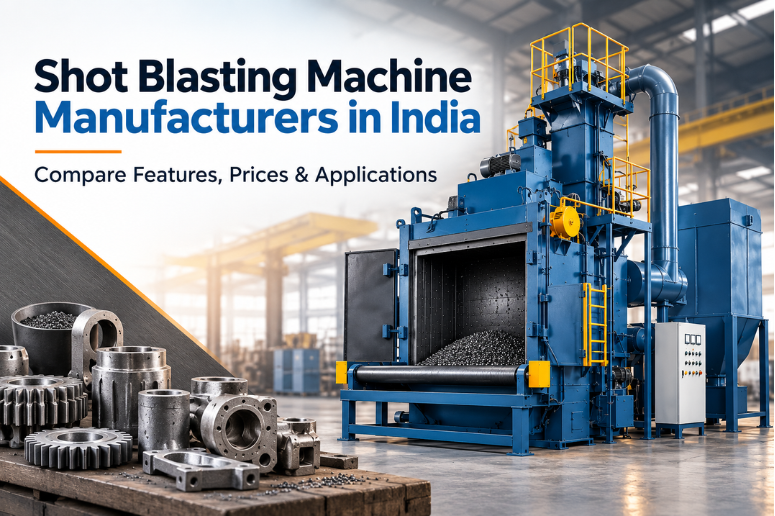




Buying a shot blasting machine is a long-term investment, not a one-time purchase. The wrong choice means higher power bills, frequent abrasive wastage, and downtime that eats into production schedules. This guide breaks down what separates good shot blasting machine manufacturers in India from the rest, what price ranges to expect, and which machine type actually fits your application.
Read more blog : Shot Blasting Machine Manufacturers in Jodhpur: Products, Types & Benefits
What a Shot Blasting Machine Does
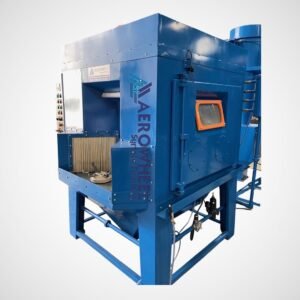
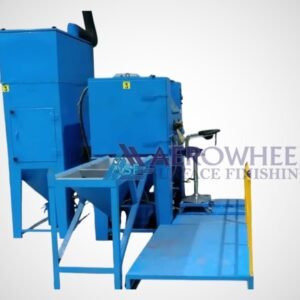
A shot blasting machine cleans, descales, and prepares metal, casting, or concrete surfaces by throwing abrasive media — steel shot, steel grit, or cut wire — at high speed using a rotating blast wheel. Unlike air-driven sandblasting, the wheel uses centrifugal force, which makes the process faster and more consistent for large-volume, repetitive jobs like foundry castings, structural steel, or automotive components. It’s the standard method for removing rust, scale, sand residue, and old coatings before painting, powder coating, or shot peening.
How to Evaluate Shot Blasting Machine Manufacturers
Not every supplier that lists “shot blasting” on their website actually fabricates the equipment in-house. When comparing manufacturers, check for:
- In-house fabrication vs. trading — manufacturers who build the blast wheel, cabinet, and abrasive recovery system themselves can customize the machine and support spares long-term.
- After-sales and spare parts availability — blast wheels, blades, and liners wear out; a manufacturer without ready spare parts support will cost you downtime.
- Site-specific engineering — your part geometry, batch size, and floor space should decide the machine type, not a standard catalogue size.
- Compliance and dust control — proper dust collection and enclosed blast chambers matter for both output quality and workplace safety norms.
Common Machine Types and Where They Fit
Different production setups call for different configurations:
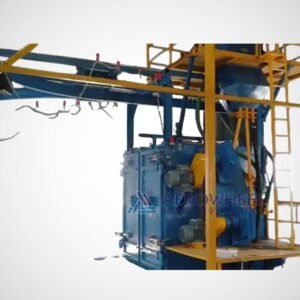
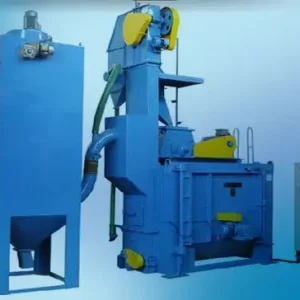
- Tumblast machines — ideal for small, loose parts like castings, forgings, and fasteners processed in bulk. Airless tumblast shot blasting machines run without compressed air, cutting operating costs for continuous batch cleaning.
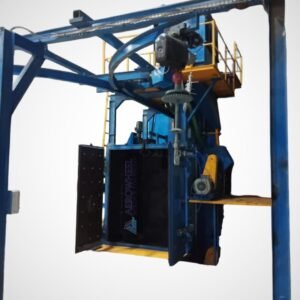
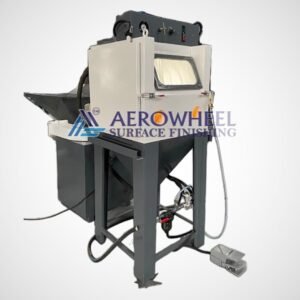
- Hanger type machines — suited for delicate, larger components that can’t tumble against each other, such as fabricated assemblies or castings with fine detailing. See hanger shot blasting machines for hook-mounted, single-piece blasting.
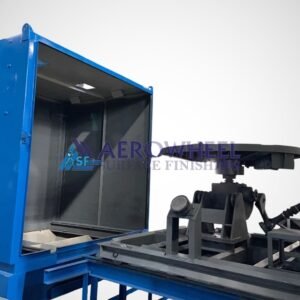
- Swing table machines — used where loading and unloading needs to happen without stopping the blast cycle, common in foundries handling medium-to-large castings. Airless swing table shot blasting machines improve throughput for this exact scenario.
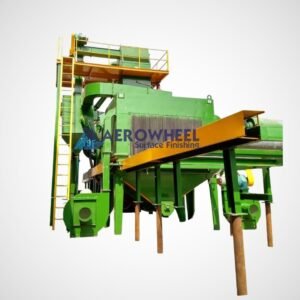
- Tunnel type machines — built for long, continuous components such as structural sections or pipes that pass through the blast chamber on a conveyor. Check tunnel type shot blasting machines for inline, continuous-flow processing.
- Airless shot blasting machines — the broader category covering wheel-based systems that skip compressed air entirely, lowering energy consumption across most production formats. Compare airless shot blasting machine options for energy-efficient blasting.
- Rotary indexing setups — useful when multiple faces of a component need sequential blasting stations. Explore rotary indexing machines for multi-station finishing lines.
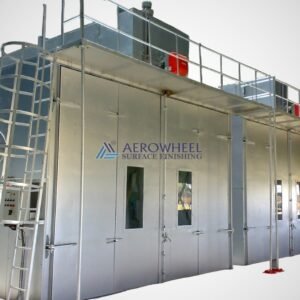
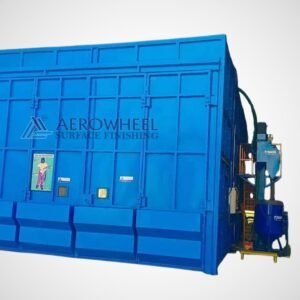
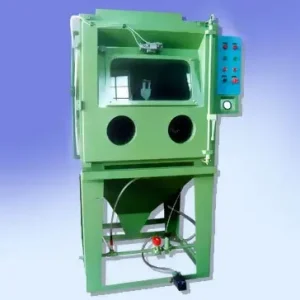
- Blast room systems — for oversized or irregularly shaped work like heavy fabrications, ship sections, or machinery frames that can’t fit a standard cabinet. Blast room systems offer walk-in, manual blasting for these cases.
- Shot peening machines — a related but distinct process aimed at improving fatigue strength rather than just cleaning; check shot peening machines if your goal is surface hardening, not just descaling.
Shot Blasting Machine Price in India
Pricing varies widely depending on automation level, chamber size, blast wheel capacity, and abrasive recovery system. As a rough guide:
| Configuration | Typical Use Case | Price Range |
| Small tumblast / hanger units | Job shops, small castings | Lower entry point |
| Mid-size swing table or tunnel machines | Foundries, mid-volume production | Mid-range |
| Custom blast room or multi-wheel systems | Heavy fabrication, high output | Higher, project-based |
Exact shot blasting machine price figures depend on chamber dimensions, number of blast wheels, motor rating, and whether dust collection and material handling are integrated. Always ask manufacturers for a specification-based quote rather than relying on a flat listed number, since two machines with the same name can differ significantly in build quality and output capacity.
Short Blast Machine vs. Full Shot Blasting Line
Smaller operations sometimes look for a compact “short blast machine” setup — essentially a scaled-down cabinet or tumblast unit for lower daily volumes. These cost less upfront but have lower cleaning rates and abrasive capacity. If your production is expected to scale, it’s usually more economical to invest in a mid-size machine from the start rather than upgrading twice.
Frequently Asked Questions
What is the average lifespan of a shot blasting machine?
With regular maintenance of the blast wheel, liners, and control cage, a well-built machine typically runs 10–15 years before major structural components need replacement.
Sand Blasting Machines for the Construction Sector
Top 10 Sand Blasting Machine Manufacturers in India – 2025
The Evolution of Shot Blasting Machines in India: From Traditional to Advanced
Can one machine handle multiple abrasive types?
Most machines are compatible with steel shot, steel grit, and cut wire shot, though nozzle and wheel wear rates differ by abrasive type — confirm compatibility with the manufacturer before switching media.
Is shot blasting the same as sand blasting?
No. Shot blasting uses a mechanically driven wheel to fling abrasive at high velocity, while sand blasting relies on compressed air to propel media through a nozzle. Shot blasting is generally faster for large-volume industrial work.
Choosing the Right Manufacturer
Price alone shouldn’t decide your purchase. Match the machine type to your part size, batch volume, and floor layout, and confirm the manufacturer offers ongoing spare parts and service support before you commit. Browse the full range of shot blasting equipment to compare configurations against your production requirement, or reach out directly for a specification-based quote.