



India is one of the fastest-growing automotive manufacturing hubs in the world, producing millions of passenger vehicles, commercial vehicles, two-wheelers, and automotive components every year. As the industry continues to expand, manufacturers are placing greater emphasis on surface finishing to improve product quality, durability, corrosion resistance, and overall performance.
From engine components and chassis parts to alloy wheels and brake systems, almost every automotive component requires proper surface treatment before assembly or coating. Advanced surface finishing solutions help manufacturers meet strict quality standards while increasing production efficiency.
At Aerowheel Surface Finishing, we provide a wide range of industrial surface finishing solutions designed specifically for the automotive industry in India.
Why Surface Finishing Is Important in Automotive Manufacturing
Automotive components operate under demanding conditions, including high temperatures, friction, moisture, dust, and constant mechanical stress. Without proper surface preparation and finishing, these components are more susceptible to wear, corrosion, coating failures, and reduced service life.
Surface finishing helps manufacturers:
- Improve component durability
- Enhance corrosion resistance
- Achieve better paint and coating adhesion
- Increase fatigue strength
- Remove rust, scale, and contaminants
- Improve product appearance
- Maintain consistent quality
These benefits directly contribute to better vehicle performance and longer component life.
Common Surface Finishing Solutions Used in the Automotive Industry
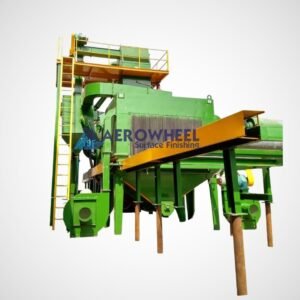
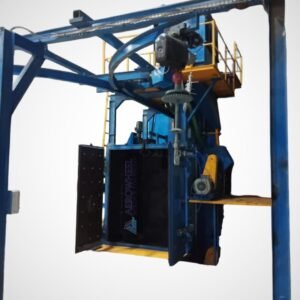
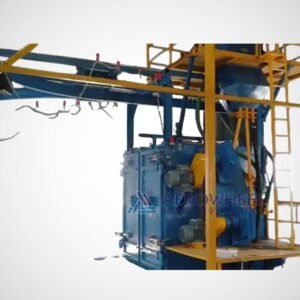
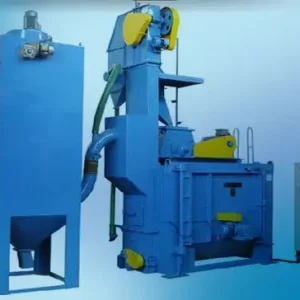
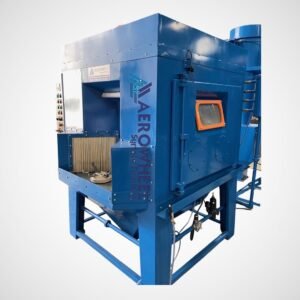
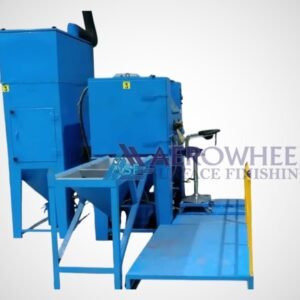
Shot Blasting Machines
Shot blasting is widely used to clean and prepare metal surfaces before painting, powder coating, or machining.
Applications include:
- Chassis components
- Brake drums
- Brake discs
- Suspension parts
- Castings
- Forged components
Benefits include:
- Rust and scale removal
- Improved coating adhesion
- Uniform surface preparation
- Increased production efficiency
Shot Peening Machines
Shot peening strengthens metal surfaces by creating compressive stresses that improve fatigue resistance.
It is commonly used for:
- Gears
- Springs
- Crankshafts
- Connecting rods
- Transmission components
- Engine parts
Benefits include:
- Longer component life
- Improved fatigue strength
- Better wear resistance
- Reduced risk of crack formation
Paint Spray Booths
High-quality painting requires a clean and controlled environment.
Paint spray booths are used for:
- Automotive body panels
- Alloy wheels
- Chassis components
- Industrial vehicle parts
Advantages include:
- Dust-free painting
- Uniform coating quality
- Faster drying
- Better finish consistency
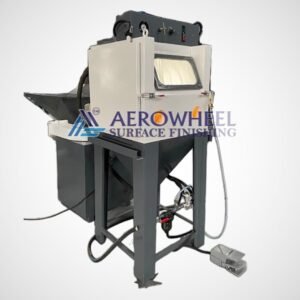
Blast Cabinets
Blast cabinets are ideal for cleaning small and precision automotive components.
Applications include:
- Carburettors
- Engine parts
- Fuel system components
- Precision-machined parts
They provide accurate cleaning while protecting delicate surfaces.
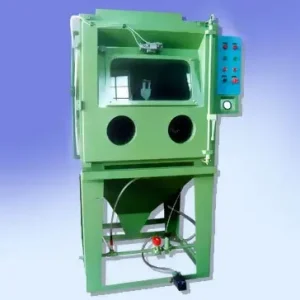
Wet Blast Cabinets
Wet blasting is preferred for aluminium and precision automotive components where a smooth finish is required.
Typical applications include:
- Engine housings
- Aluminium castings
- Alloy wheels
- Decorative automotive parts
Benefits include:
- Low dust generation
- Smooth satin finish
- Gentle cleaning
- Better surface quality
Tyre Mould Cleaning Machines
Tyre manufacturers use mould cleaning systems to maintain production quality and reduce defects.
These machines help:
- Remove rubber residue
- Clean intricate tread patterns
- Improve tyre quality
- Extend mould life
Regular mould cleaning ensures consistent tyre production.
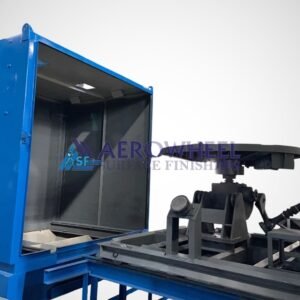
Rotary Indexing Machines
Automation has become a key part of modern automotive manufacturing.
Rotary indexing machines are used for:
- Component assembly
- Press fitting
- Inspection
- Drilling
- Tapping
- Leak testing
These systems improve production speed while maintaining exceptional accuracy.
What is a Blast Room System? How It Works & Where It's Used
Paint Spray Booth ROI – Is It Worth the Investment?
Comparing Manual vs Automated Blast Room Systems
Roll Etching Machines
Roll etching machines are used to create textured finishes on steel and aluminium sheets used in automotive manufacturing.
Applications include:
- Interior decorative panels
- Exterior body sheets
- Automotive trim components
The textured surface enhances both appearance and coating performance.
Benefits of Surface Finishing in Automotive Manufacturing
Improved Corrosion Resistance
Proper surface preparation allows protective coatings to bond more effectively, helping components resist rust and corrosion in challenging environments.
Longer Component Life
Processes such as shot peening and controlled surface finishing reduce wear and improve fatigue resistance, extending the service life of automotive parts.
Higher Product Quality
Uniform surface finishing eliminates defects and ensures consistent quality across every production batch.
This leads to improved customer satisfaction and fewer warranty claims.
Better Paint and Coating Adhesion
Surface preparation removes contaminants and creates the ideal profile for paint, powder coating, and other protective finishes.
This results in coatings that are more durable and resistant to peeling or chipping.
Increased Production Efficiency
Automated surface finishing equipment reduces manual labour, shortens processing times, and improves overall productivity.
Manufacturers can produce more components while maintaining consistent quality.
Reduced Manufacturing Costs
Efficient surface finishing processes help reduce:
- Product rejection
- Rework
- Downtime
- Material waste
- Maintenance costs
These improvements contribute to lower production costs and better profitability.
Automotive Components That Require Surface Finishing
Surface finishing solutions are commonly used for:
- Engine blocks
- Cylinder heads
- Brake discs
- Brake drums
- Crankshafts
- Connecting rods
- Gear components
- Suspension parts
- Chassis components
- Alloy wheels
- Steering components
- Transmission parts
- Axles
- Automotive castings
- Forged components
Each of these components benefits from improved durability, corrosion resistance, and surface quality.
Choosing the Right Surface Finishing Equipment
Before investing in surface finishing equipment, manufacturers should consider:
- Type of automotive component
- Production volume
- Material being processed
- Required surface finish
- Automation level
- Available factory space
- Maintenance requirements
- After-sales support
Selecting the right equipment improves productivity while ensuring consistent product quality.
Why Choose Aerowheel Surface Finishing?
At Aerowheel Surface Finishing, we manufacture a complete range of industrial surface finishing equipment for automotive manufacturers across India.
Our solutions include:
- Shot Blasting Machines
- Shot Peening Machines
- Paint Spray Booths
- Wet Blast Cabinets
- Abrasive Blast Cabinets
- Rotary Indexing Machines
- Roll Etching Machines
- Tyre Mould Cleaning Machines
We focus on delivering:
- Customized machine solutions
- Precision engineering
- High production efficiency
- Durable industrial construction
- Easy maintenance
- Reliable after-sales support
Our goal is to help automotive manufacturers improve product quality while maximizing operational efficiency.
Final Thoughts
Surface finishing is a critical part of modern automotive manufacturing. It improves component durability, enhances corrosion resistance, ensures better coating adhesion, and supports high-quality production standards. As India’s automotive industry continues to grow, advanced surface finishing solutions are becoming increasingly important for manufacturers looking to remain competitive.
Whether you manufacture engine parts, brake components, alloy wheels, chassis systems, or precision automotive components, investing in the right surface finishing equipment can significantly improve both product quality and production efficiency.
If you’re looking for reliable surface finishing solutions for the automotive industry in India, Aerowheel Surface Finishing offers customized equipment designed to meet the evolving needs of modern automotive manufacturing.