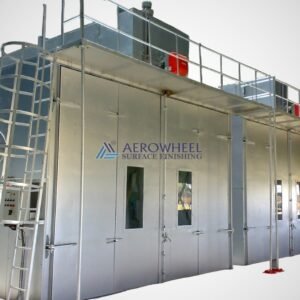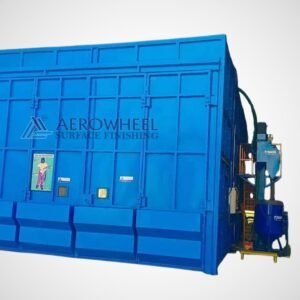




Installing a paint spray booth is not just about placing equipment—it requires proper planning of electrical systems and utilities to ensure safe, efficient, and uninterrupted operation. Many performance issues in paint booths are not due to design flaws but due to poor utility setup.
At Aerowheel Surface Finishing, we always emphasize that correct electrical and utility planning is the foundation of a reliable paint booth system.
Why Electrical and Utility Planning Is Important
A paint spray booth depends on multiple systems working together—fans, lighting, filtration, heating, and control panels. If electrical supply or utilities are not properly configured, it can lead to:
- Unstable airflow
- Equipment failure
- Safety risks
- Increased downtime
Proper planning ensures smooth operation and long-term performance.
Power Supply Requirements
The most basic requirement is a stable and sufficient power supply.
Paint booths typically require:
- Three-phase power connection (for industrial use)
- Stable voltage to avoid fluctuations
- Proper load calculation based on equipment
Power demand depends on:
- Booth size
- Number of exhaust fans
- Lighting system
- Heating equipment (if installed)
Insufficient power supply can affect airflow and reduce booth efficiency.
Electrical Panel and Control System
Every paint spray booth needs a dedicated electrical panel to control different components.
The control system manages:
- Exhaust and intake fans
- Lighting
- Heating systems
- Safety interlocks
A well-designed control panel ensures safe operation and allows operators to manage the booth easily.
Explosion-Proof Electrical Components
Paint spray booths handle flammable fumes and vapors, making electrical safety critical.
Essential requirements include:
- Explosion-proof lighting
- Spark-proof switches and motors
- Proper wiring protection
Using standard electrical components in such environments can create serious fire and explosion risks.
Lighting Power Requirements
Proper lighting is essential for paint quality. The electrical system must support:
- High-intensity, uniform lighting
- Energy-efficient fixtures (like LED)
- Stable power supply without flickering
Poor lighting setup not only affects visibility but also leads to paint defects.
Ventilation and Exhaust System Power
Exhaust fans are one of the most power-consuming components in a paint booth.
Electrical setup must support:
- Continuous fan operation
- High-capacity motors
- Proper starting mechanisms
Any interruption in exhaust system power can create unsafe working conditions.
Compressed Air Supply (If Required)
In many industrial setups, compressed air is required for spray guns and certain control systems.
This requires:
Is shot blasting the same as sandblasting?
Custom-Built Sand Blasting Machines by Indian Manufacturers
Top Considerations Before Buying a Paint Spray Booth or Oven
- Air compressor system
- Clean and dry air supply
- Proper pressure regulation
Poor air quality can directly affect paint finish quality.
Heating System Requirements
If the booth includes a heating or baking system, additional utilities are required.
This may include:
- Electrical heaters or fuel-based systems
- Temperature control systems
- Insulated wiring and safety controls
Heating systems increase both power demand and safety considerations.
Grounding and Earthing
Proper grounding is essential to prevent static electricity buildup, which can cause sparks in a paint booth environment.
All components including:
- Booth structure
- Ducting
- Equipment
must be properly earthed to ensure safe operation.
Backup Power Consideration
In industrial setups, sudden power failure can interrupt painting operations and damage the coating process.
Installing backup power (like a generator or UPS for control systems) helps:
- Prevent production loss
- Maintain system stability
- Protect sensitive components
Water and Drainage (If Applicable)
Some paint booths, especially wet-type systems, require water supply and drainage.
This includes:
- Water circulation system
- Proper drainage layout
- Regular maintenance
These utilities must be planned during installation.
Aerowheel Surface Finishing’s Utility Planning Approach
At Aerowheel Surface Finishing, we assist clients in planning complete electrical and utility requirements by:
- Calculating total power load
- Designing safe electrical systems
- Ensuring compliance with safety standards
- Optimizing energy efficiency
- Supporting smooth installation
Our goal is to ensure that your paint booth runs reliably from day one.
Final Thoughts
Electrical and utility requirements are a critical part of paint booth installation. Without proper planning, even the best-designed booth cannot deliver expected performance.
A well-planned setup ensures:
- Safe operation
- Consistent paint quality
- Reduced downtime
- Long-term efficiency
If you are planning to install a paint spray booth, Aerowheel Surface Finishing can help you design a complete system that meets both operational and safety requirements.