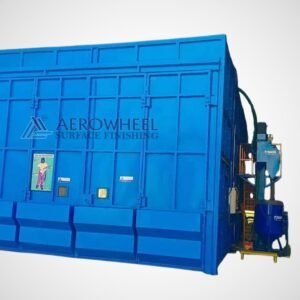




When businesses plan to invest in an industrial paint spray booth, one of the most common questions is:
“Iska price itna different kyun hota hai?”
Do similar-looking paint booths can have a huge price difference—and the reason lies in the features, design, and performance level behind them.
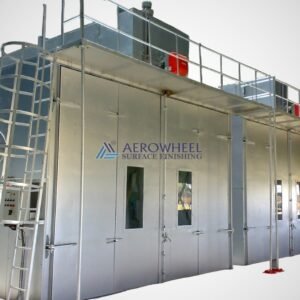
At Aerowheel Surface Finishing, we always explain that a paint spray booth is not just a product—it is a complete system. Its cost depends on multiple factors that directly impact quality, safety, and long-term efficiency.
Let’s break down the key factors that affect the price of industrial paint spray booths in a simple and practical way.
Booth Size and Application Requirements
The size of the paint booth is one of the biggest cost drivers. A booth designed for small components will naturally cost less than one built for heavy structures, machinery, or vehicles.
Larger booths require:
- More material
- Bigger airflow systems
- Higher capacity exhaust units
This increases both manufacturing and installation costs. The more space you need to cover, the higher the investment.
Type of Airflow Design
Airflow design plays a major role in both price and performance.
Basic airflow systems are more affordable but offer limited control. Advanced airflow systems provide better paint finish, improved overspray control, and safer working conditions—but they also increase cost.
In simple terms:
👉 Better airflow = Better quality = Higher cost
Choosing the right airflow design should depend on your finish requirements, not just budget.
Filtration System Quality
Filters are critical for maintaining clean air and controlling overspray. The type and quality of filtration system used in the booth directly affect pricing.
Basic filtration setups are cheaper but may lead to:
- Dust contamination
- Frequent maintenance
- Poor finish quality
High-efficiency filtration systems increase the cost but deliver:
- Better paint finish
- Improved safety
- Lower long-term maintenance
Material and Build Quality
The structure of the paint booth—its panels, coatings, and durability—also impacts the price.
Low-cost booths may use lighter materials that wear out faster. High-quality booths use durable, coated materials that resist corrosion, paint buildup, and environmental damage.
Better build quality means:
- Longer lifespan
- Less maintenance
- Stable performance over time
Ventilation and Exhaust System
The exhaust system is the backbone of any paint booth. A powerful and well-designed ventilation system ensures proper airflow and removes fumes effectively.
Higher-capacity exhaust systems require:
- Stronger motors
- Better ducting
- Advanced design
This increases cost but is essential for safety and performance.
Heating and Drying Features
Some industrial paint booths include heating systems for faster drying and curing.
Adding heating features increases the price, but it also:
- Reduces drying time
- Improves production speed
- Enhances coating durability
For high-volume industries, this becomes a valuable investment.
The different types of shot blasting equipment available and their uses
How to Maintain Ventilation and Safety in Blast Room Systems
Role of Shot Blasting in Surface Peening & Fatigue Life Improvement
Safety Features and Compliance
Safety is a major factor in pricing. Paint booths that include:
- Explosion-proof components
- Fire safety systems
- Proper grounding
will cost more than basic setups.
However, these features are essential for:
- Worker safety
- Regulatory compliance
- Risk reduction
Skipping safety to save cost can lead to much bigger losses later.
Level of Automation
Manual paint booths are more affordable, while semi-automatic or fully automated systems cost more.
Automation can include:
- Airflow control systems
- Automated exhaust management
- Integrated monitoring systems
Higher automation improves consistency, reduces human error, and increases productivity.
Customization and Design Complexity
Standard paint booths are cheaper because they follow fixed designs. Customized booths, designed specifically for your layout and workflow, cost more.
Customization may include:
- Special dimensions
- Conveyor integration
- Unique airflow design
- Process-specific modifications
While customization increases upfront cost, it often improves efficiency and reduces long-term operational issues.
Installation and Setup Requirements
The total cost is not just the booth itself. Installation factors also affect pricing, such as:
- Site preparation
- Ducting and ventilation layout
- Electrical setup
- Foundation work
Complex installations increase overall project cost.
Long-Term Operating Cost Consideration
A cheaper booth may save money initially but can lead to:
- Higher paint wastage
- More rework
- Increased electricity usage
- Frequent maintenance
On the other hand, a well-designed booth may cost more upfront but saves money over time through better efficiency and lower operational costs.
Aerowheel Surface Finishing’s Expert Approach
At Aerowheel Surface Finishing, we help industries understand these cost factors before making a decision. Our approach focuses on:
- Matching booth design with production needs
- Avoiding unnecessary features
- Ensuring safety and compliance
- Optimizing long-term performance
We believe the right investment is not the cheapest—it’s the one that delivers maximum value over time.
Final Thoughts
The price of an industrial paint spray booth is influenced by multiple factors including size, airflow design, filtration, safety features, automation, and customization. There is no one-size-fits-all pricing because every industry has different requirements.
Instead of focusing only on cost, businesses should focus on performance, efficiency, and long-term return on investment.
A well-chosen paint spray booth improves paint quality, reduces wastage, ensures safety, and supports business growth.
If you are planning to invest in a paint spray booth, Aerowheel Surface Finishing can help you choose the right solution based on your needs—not just your budget.