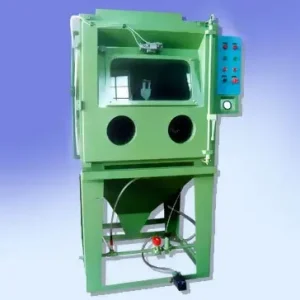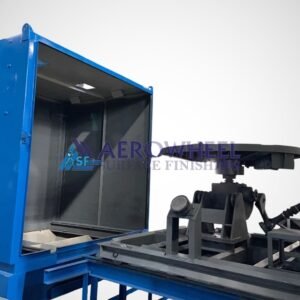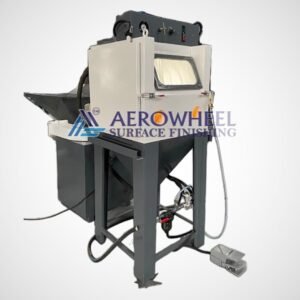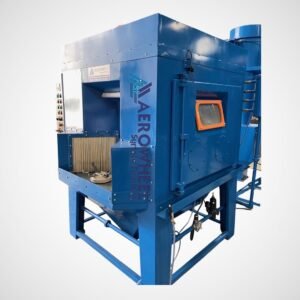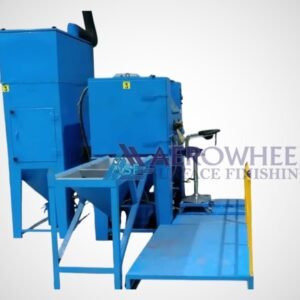




Paint spray booths handle flammable paints, solvents, and vapors, which makes fire prevention absolutely critical. Even a small spark or buildup of paint residue can lead to serious accidents if proper precautions are not followed. Fire safety in spray booths is not only about compliance—it is about protecting workers, equipment, and business continuity.
At Aerowheel Surface Finishing, fire prevention is treated as a core design and operational requirement for every paint spray booth.
Why Paint Spray Booths Are Fire-Sensitive Areas
During spray painting, fine paint mist and solvent vapors are released into the air. These vapors can ignite easily if exposed to sparks, static electricity, or overheating equipment. Poor ventilation, clogged filters, and paint buildup further increase fire risk.
Because of these factors, paint spray booths require dedicated fire prevention measures at both design and operational levels.
Use Explosion-Proof Electrical Systems
Electrical components are one of the most common ignition sources in spray booths. All lights, switches, motors, and wiring inside the booth should be explosion-proof and spark-free.
Industrial-grade electrical fittings prevent sparks and overheating, significantly reducing the risk of ignition in flammable environments.
Ensure Proper Ventilation and Exhaust Performance
Ventilation plays a major role in fire prevention. A well-designed exhaust system continuously removes flammable vapors from the booth before they reach dangerous concentration levels.
Poor airflow allows vapors to accumulate, creating an explosive atmosphere. Regular checks of exhaust fans, ducts, and airflow balance are essential for fire safety.
Prevent Paint and Overspray Buildup
Paint residue buildup on booth walls, floors, lights, and filters is highly flammable. Over time, thick layers of dried paint can ignite easily.
Routine cleaning helps:
- Reduce fire load inside the booth
- Maintain proper airflow
- Improve overall safety
A clean booth is always a safer booth.
Use Proper Grounding to Avoid Static Electricity
Static electricity can build up during spray painting due to air movement and paint flow. If not grounded properly, static discharge can cause sparks.
All spray equipment, booths, ducts, and metal components should be properly grounded to safely dissipate static electricity and prevent ignition.
Safe Handling and Storage of Paints and Solvents
Paints, thinners, and solvents should always be stored in approved, fire-resistant containers. Open containers increase vapor concentration and fire risk.
Good practices include:
- Closing containers when not in use
- Storing chemicals away from heat sources
- Cleaning spills immediately
Controlled material handling significantly reduces fire hazards.
Regular Inspection and Maintenance
Fire prevention systems fail when maintenance is ignored. Clogged filters, worn electrical parts, damaged fans, or leaking ducts all increase fire risk.
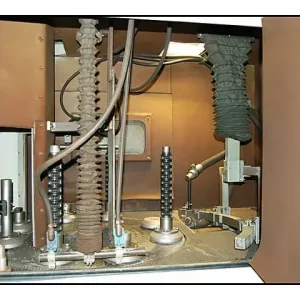
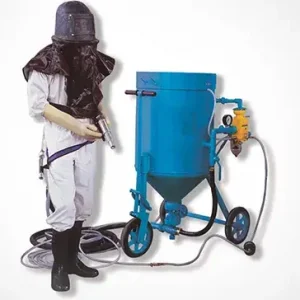
How Shot Blasting Machines Work?
Key Components and Technology of Airless Shot Blasting Machines
Common Problems Faced Without a Paint Spray Booth
Regular inspection ensures that:
- Ventilation works as designed
- Electrical components remain safe
- Filters do not overload
- Safety systems stay functional
Preventive maintenance is far more effective than emergency response.
Install Fire Detection and Suppression Systems
Industrial paint spray booths should be equipped with fire detection systems such as heat or flame sensors. Automatic fire suppression systems can stop fires before they spread.
Having fire extinguishers nearby and clearly marked emergency exits further improves emergency preparedness.
Control Temperature Inside the Booth
Excessive heat increases the risk of vapor ignition. Heating systems used for drying or curing must be specifically designed for spray booth use.
Temperature should always remain within recommended limits for both paint safety and equipment operation.
Train Operators in Fire Safety Practices
Even the best fire prevention systems are ineffective if operators are unaware of safety practices. Workers must be trained to recognize fire hazards and respond correctly in emergencies.
Training should cover:
- Safe booth operation
- Emergency shutdown procedures
- Proper use of fire extinguishers
- Evacuation protocols
Awareness is a powerful fire prevention tool.
Aerowheel Surface Finishing’s Fire-Safe Booth Design
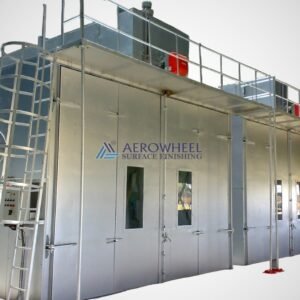
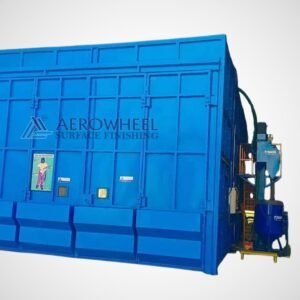
At Aerowheel Surface Finishing, our paint spray booths are designed with fire prevention in mind. We focus on:
- Explosion-proof electrical systems
- Efficient exhaust and ventilation design
- Easy-to-clean interiors
- Proper grounding and safety integration
- Compliance with industrial fire safety standards
Our goal is to create booths that are safe, reliable, and suitable for long-term industrial use.
Final Thoughts
Fire prevention in paint spray booths is not optional—it is essential. From ventilation and electrical safety to housekeeping and operator training, every measure plays a role in reducing fire risk.
A well-designed and properly operated spray booth protects workers, equipment, and production while ensuring smooth and compliant operations.
If you want a paint spray booth that prioritizes safety without compromising performance, Aerowheel Surface Finishing offers solutions designed to meet the highest industrial fire safety standards.