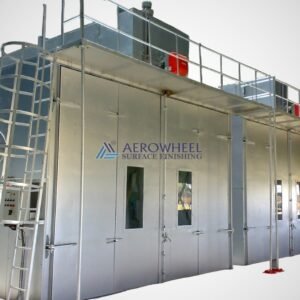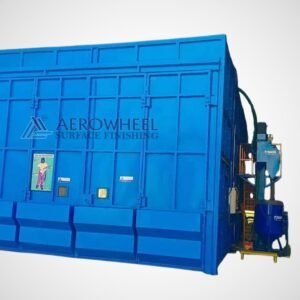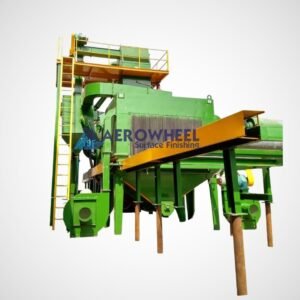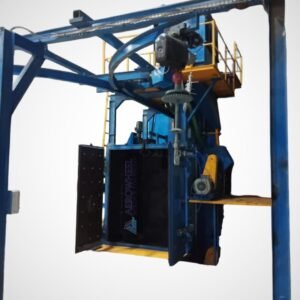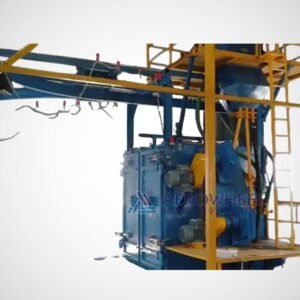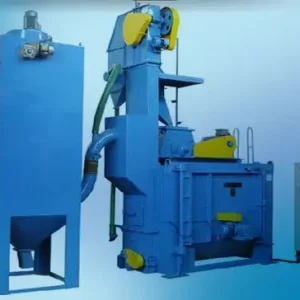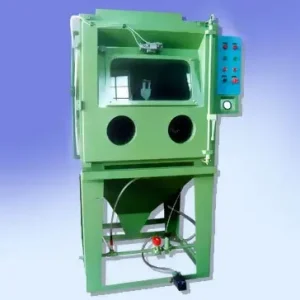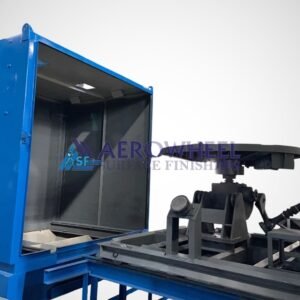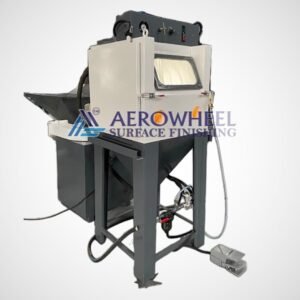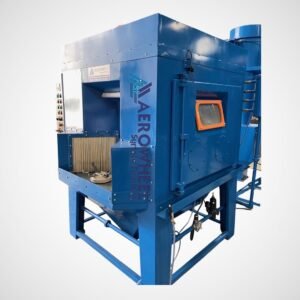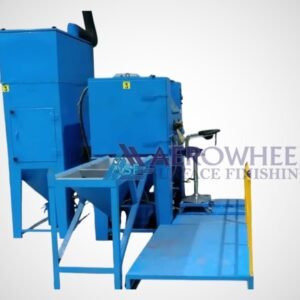




A well-designed blast room is essential for efficient, safe, and high-quality sand blasting operations. From workflow and ventilation to abrasive recovery systems, every element of the layout impacts productivity and operator safety.
At Aerowheel Surface Finishing, we believe that a blast room should not only meet production needs but also create a controlled environment that ensures consistent surface finishing results. Whether you’re designing a new room or upgrading an existing one, here’s a complete guide to designing an efficient blast room layout.
1. Define the Purpose and Workload
Before planning the layout, it’s important to identify:
- What types of components will be blasted (small, medium, or large)?
- How frequently will blasting be done?
- What level of automation is needed?
- What abrasives will be used?
A clear purpose ensures the room meets operational needs without unnecessary complexity or cost.
2. Choose the Right Room Size
The blast room should be large enough for:
- The workpiece
- Operator movement
- Equipment access
- Safe airflow
General guideline:
Leave at least 1–1.5 meters of clearance around the largest workpiece.
This ensures comfort, safety, and efficient blasting.
3. Plan Smooth and Safe Workflow
An efficient layout supports a natural workflow:
- Entry Area: For loading workpieces
- Blasting Zone: The main blasting area
- Exit Area: For unloading and inspection
A straight-line or U-shaped workflow avoids congestion and increases productivity.
4. Install Proper Ventilation and Dust Collection
Ventilation is one of the most critical components of a blast room.
Good airflow ensures:
- Dust removal
- Clear visibility
- Operator safety
- Better surface finish
- Longer equipment life
Recommended setup:
- Cross-ventilation or down-draft airflow design
- High-capacity dust collectors
- Multi-stage filtration systems
This keeps abrasive and dust contained inside the room and improves air quality.
5. Design an Efficient Abrasive Recovery System
A great blast room recovers and reuses abrasives automatically.
Choosing the right recovery system depends on budget and workload.
Options include:
- Sweep-in pit recovery (cost-effective)
- Auger screw recovery (mid-level efficiency)
- Full-floor pneumatic recovery (high efficiency)
- Mechanical scraper conveyors (heavy-duty, high throughput)
Efficient recovery reduces abrasive waste and lowers operating costs.
6. Select Durable Room Lining and Wear Protection
The walls, floors, and ceilings must be able to withstand continuous impact from abrasives.
Popular linings include:
- Heavy-duty rubber sheets
- Abrasion-resistant steel panels
- Reinforced floor grates
Proper lining protects the structure and ensures longevity.
Surface Finishing Machine Manufacturers in Jodhpur – Complete Guide
The Role of Shot Blasting Machines in Surface Preparation: A Comprehensive Guide
Sustainable Practices by Shot Blasting Machine Manufacturers
7. Lighting and Visibility
Good visibility is essential for quality blasting.
Use:
- High-intensity LED lighting
- Dust-resistant light housings
- Shadow-free light placement
Lights should be installed away from the main abrasive stream to prevent damage.
8. Provide Safe Operator Access and Controls
Safety is at the core of a good blast room design. Include:
- Anti-skid flooring
- Emergency stop buttons
- Exterior control panels
- Air-fed helmets and PPE stations
- Adequate ventilation near operator position
Comfortable operator access improves performance and reduces fatigue.
9. Integrate Inspection and Finishing Zones
After blasting, components should move to:
- Inspection area
- Cleaning station
- Coating/painting area
Position these zones close to the blast room to reduce material handling time and improve workflow.
10. Ensure Compliance With Safety Standards
The blast room must follow:
- Workplace safety regulations
- Environmental dust control requirements
- Noise reduction guidelines
Compliance protects workers and avoids legal or operational issues.
Final Thoughts
Designing an efficient blast room layout requires a balance of productivity, safety, and long-term durability. With the right planning—covering airflow, abrasive recovery, lighting, workflow, and operator safety—you can build a blast room that delivers consistent, high-quality results.
At Aerowheel Surface Finishing, we specialize in efficient blast room setups that support modern industrial sand blasting requirements while prioritizing safety and performance.